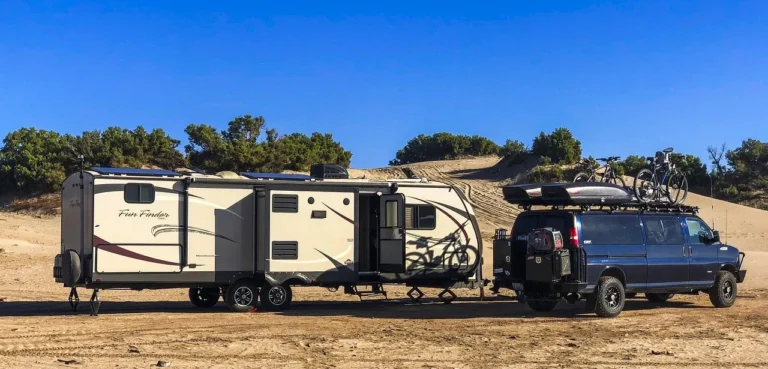
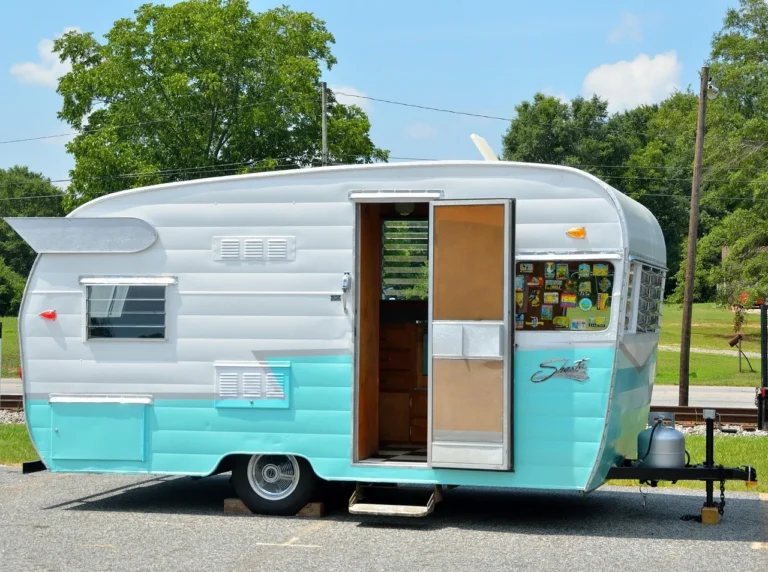
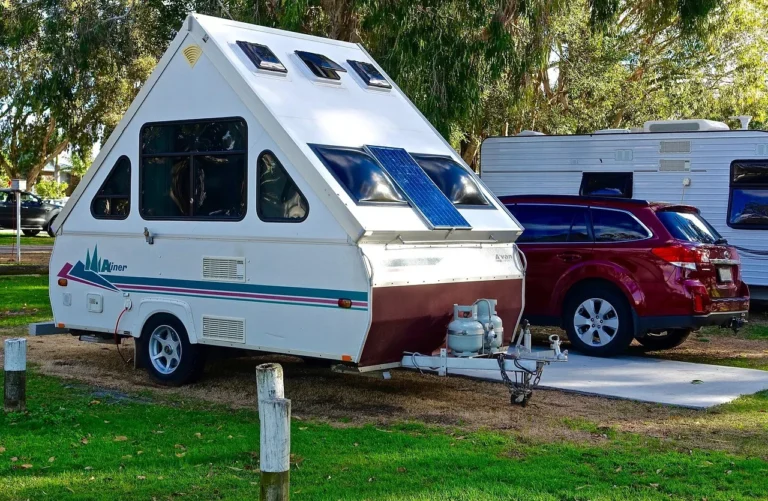
Does car insurance cover a travel trailer? Partly. In most cases, the liability coverage on your car or truck policy extends to a travel trailer while you’re towing it, so damage or injuries you cause to others are covered. But your auto policy usually won’t pay to repair or replace the trailer itself, or the things inside it.
That gap surprises a lot of new owners, often after a storm, a theft or a backing mishap. Here’s what your auto policy does and doesn’t cover, when you need separate travel trailer insurance, and what it typically costs.
What Your Car Insurance Covers
Progressive explains that the liability coverage on the vehicle you tow with generally extends to your travel trailer while it’s attached. That means if your trailer swings into another car or causes an accident, your auto liability coverage would typically respond, up to your policy limits.
Check your policy and ask your insurer, because terms vary. Some policies require the trailer to be listed, and coverage can depend on the trailer being roadworthy and your vehicle being rated to tow it.
What Car Insurance Usually Doesn’t Cover
- Damage to the trailer itself. Your auto policy’s collision and comprehensive coverage normally applies to your vehicle, not the trailer behind it.
- Your belongings inside the trailer, such as bedding, electronics and camping gear.
- The trailer when it’s parked. Once it’s unhitched at a campsite or in storage, your auto liability no longer follows it.
- Theft, fire, falling trees, hail and floods affecting the trailer.
Is Travel Trailer Insurance Required?
Not by state law in most cases. Progressive notes there are no state requirements to insure the travel trailer itself, although every state that requires auto liability requires it on the vehicle doing the towing.
There are two common exceptions:
- If you finance the trailer, your lender will almost certainly require comprehensive and collision coverage until the loan is paid off. Our guide to RV loans explains how financing works.
- Some campgrounds and RV parks ask for proof of liability coverage, especially for longer stays.
Even if you own the trailer outright, insurance usually makes sense. A new trailer can cost $25,000 to $60,000 or more, as our guide to how much a travel trailer costs shows, and one fallen tree can total it.
What Travel Trailer Insurance Covers
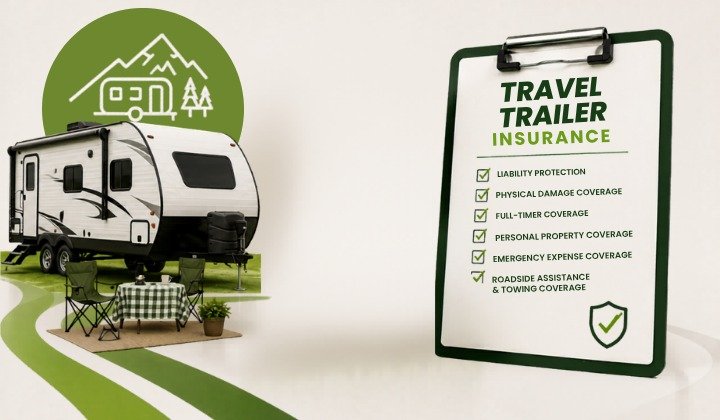
Comprehensive coverage protects your trailer from hail, storms, theft and fire
A dedicated travel trailer policy, or trailer coverage added to your auto policy where your insurer allows it, fills the gaps. Common coverages include:
- Comprehensive: damage from things other than collisions, such as hail, wind, fire, falling objects, theft and vandalism.
- Collision: damage to the trailer in an accident, including hitting a pole or another vehicle.
- Personal effects: your belongings inside the trailer.
- Total loss replacement: if a newer trailer is totaled, some policies pay for a brand-new replacement rather than its depreciated value. Rules on eligible model years vary by insurer.
- Vacation or campsite liability: protection if someone is hurt in or around your parked trailer. Availability varies; Progressive, for example, doesn’t sell liability on its travel trailer policies because the tow vehicle‘s liability applies.
- Full-timer coverage: if the trailer is your home, typically for more than six months a year, this adds home-style protection such as personal liability and medical payments.
Read the exclusions too. Many policies won’t pay for wear and tear, mold or damage from skipped maintenance, such as frozen pipes in a trailer that wasn’t winterized.
How Much Does Travel Trailer Insurance Cost?

Your rate depends on the trailer’s value, your coverage and where you live | Photo: Pixabay
It’s usually affordable. Progressive says its average travel trailer policy cost $588 a year in 2025. Your price depends on:
- The trailer’s value, age and type
- Whether you choose actual cash value or replacement cost
- Your deductible
- Where you live and where you store it
- Whether you live in it full time
- Your driving and claims history
Bundling with your auto or home policy often earns a discount. Compare quotes from at least three insurers; our guide to the best travel trailer insurance is a good starting point.
How to Make Sure You’re Covered
- Call your auto insurer and ask exactly how your policy treats a towed travel trailer, and whether it needs to be listed.
- Decide what the trailer is worth to you and whether you’d want replacement cost or actual cash value.
- Get quotes for a separate trailer policy and for adding coverage to your existing policy, if offered.
- Check your storage situation. Covered or indoor RV storage can lower risk and sometimes your premium.
- Keep records of the trailer’s condition, upgrades and maintenance in case you need to claim.
If you’re buying used, arrange coverage before you tow it home. Our used travel trailer buying guide covers the rest of the checklist.
Final Thoughts
Your car insurance will usually cover liability while you tow a travel trailer, but not damage to the trailer or what’s inside. If you’d struggle to replace the trailer out of pocket, or you have a loan on it, buy comprehensive and collision coverage. At a few hundred dollars a year on average, it’s cheap protection for something you’ve spent thousands on.
FAQs
Does my auto insurance cover a travel trailer when it’s parked?
Usually not. Auto liability generally follows the trailer only while it’s attached to your insured vehicle. A travel trailer policy covers it at the campsite and in storage.
Do I need insurance on a travel trailer that’s paid off?
It’s not legally required in most states, but without comprehensive and collision coverage you’d pay for storm, theft or accident damage yourself.
Is travel trailer insurance cheaper than motorhome insurance?
Generally, yes. A travel trailer has no engine and doesn’t need its own liability coverage in most cases, so premiums tend to be lower.