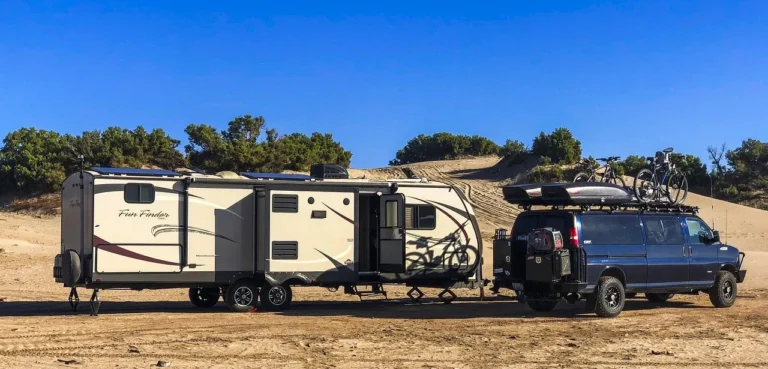
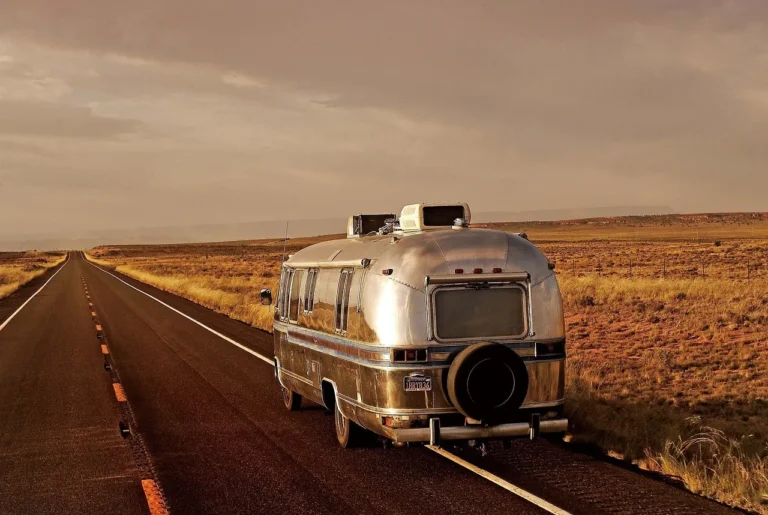
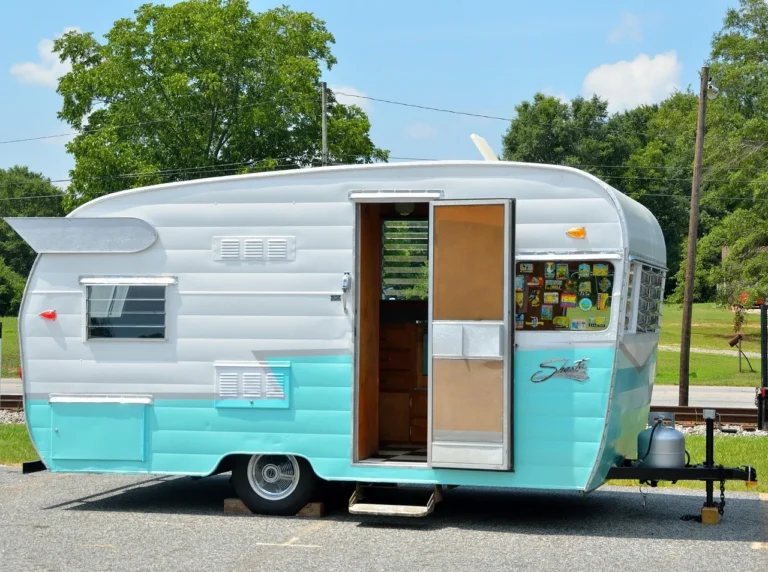
What length travel trailer is best? For most people who want to camp in national and state parks, the sweet spot is roughly 20 to 28 feet. That range gives a couple or small family a real bed, a bathroom and a kitchen, while still fitting into the large majority of park campsites and towing behind a half-ton truck.
Longer trailers bring more space and comfort, but every extra foot closes off campsites and scenic roads. Here’s how length affects where you can go, with the actual limits at some of the most popular parks.
How Trailer Length Affects Where You Can Camp
Private RV parks are usually built for big rigs, with pull-through sites of 40 feet or more. Public campgrounds are different. Many were laid out decades ago for tents and small campers, so sites are short, tight and often tucked between trees.
RVshare analyzed RV-accessible national park campgrounds and found that access drops steadily as rigs get longer:
| RV length | Share of national park campgrounds that can fit it |
|---|---|
| Up to 19 ft | About 98% |
| Up to 25 ft | About 93% |
| Up to 29 ft | About 84% |
| Up to 32 ft | About 81% |
| Up to 35 ft | About 73% |
| Up to 40 ft | About 53% |
Source: RVshare’s analysis of national park campground limits.
Two things make the real picture tighter than the table suggests. First, many campgrounds list a lower limit for trailers than for motorhomes, often 5 to 10 feet less, because backing a trailer into a short site takes more room. Second, only a handful of sites in each campground may take the maximum length, and those book up first.
Size Limits at Popular National Parks
Limits change, and most parks set them site by site, so always check the campground or site listing on Recreation.gov before you book. A few well-known examples:
Glacier National Park: Going-to-the-Sun Road
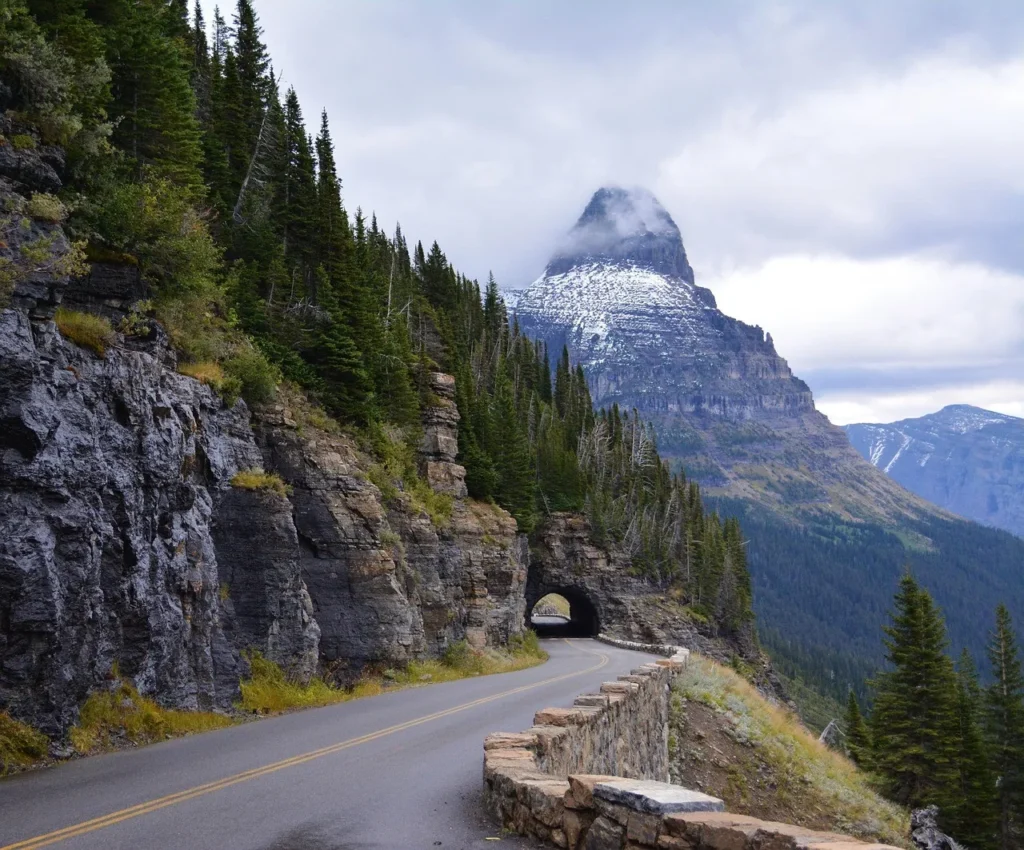
Going-to-the-Sun Road has some of the strictest vehicle limits in the park system | Photo: Pixabay
The National Park Service bans vehicles and combinations longer than 21 feet, wider than 8 feet or taller than 10 feet on the central section of Going-to-the-Sun Road. In practice, that means almost any truck and trailer must be left at camp while you drive the road, or you take the park shuttle.
Zion National Park: Zion–Mount Carmel Highway
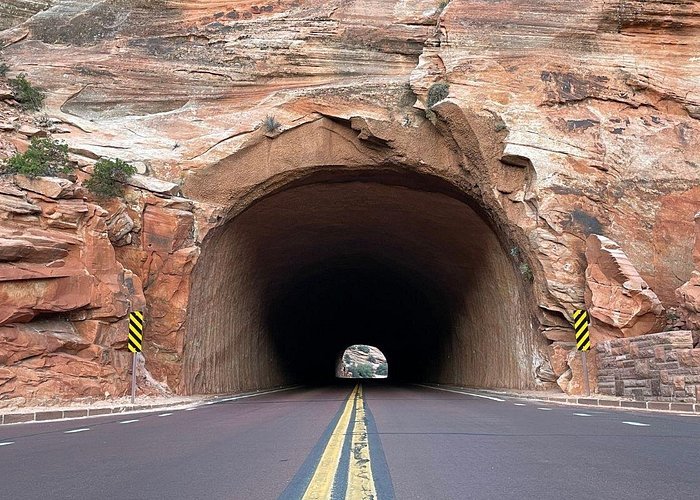
Zion’s tunnel road now has firm size limits. According to the NPS, a vehicle with a trailer can be no more than 50 feet long in total, and the trailer itself can’t exceed 26 feet from hitch to rear axle. Vehicles that are too tall or wide must take another route. If you’re planning a Utah Mighty 5 road trip, measure your rig before you go.
Yosemite National Park
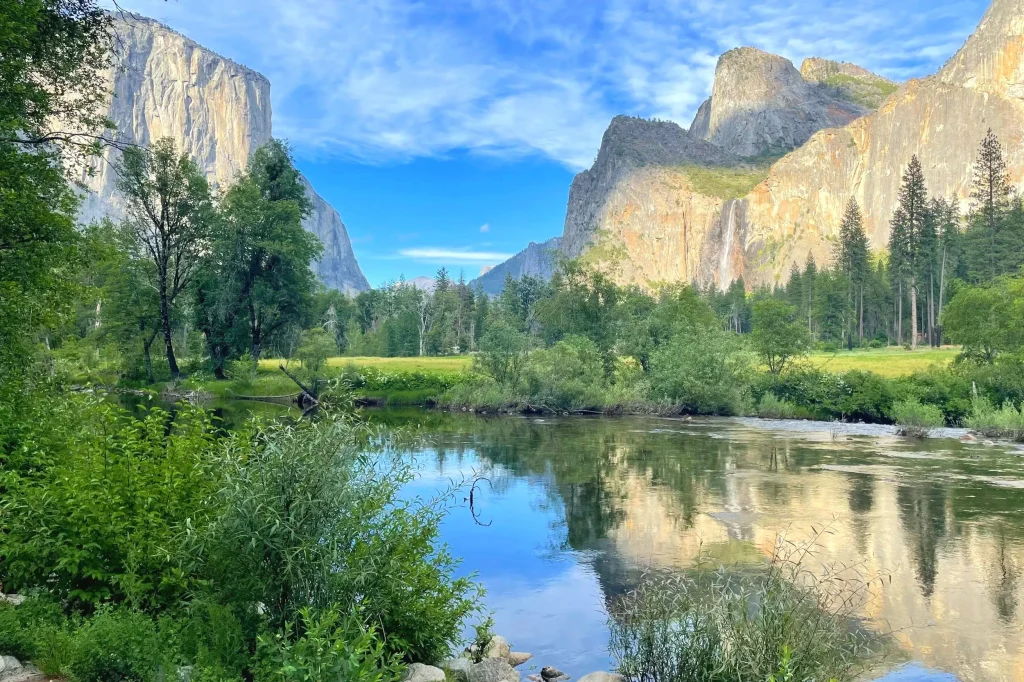
In Yosemite Valley’s Upper Pines campground, Recreation.gov lists trailer limits site by site, with many sites allowing trailers of about 18 to 24 feet and only a few taking up to 35 feet. Book the specific site that fits your rig, or you may be turned away.
The Best Length for Different Campers
Under 20 feet: go anywhere
Teardrops and small trailers fit nearly every campground, tow easily behind SUVs and half-tons, and are simple to park and store. The trade-off is space, so they suit solo campers and couples. Our picks for the best small travel trailers for solo campers are a good place to start.
20 to 28 feet: the sweet spot
This range covers most couples’ trailers and compact bunkhouses. You still fit around 84% to 93% of national park campgrounds, and many models in this size tow comfortably with a half-ton. For most people who want parks and comfort, this is the length to aim for.
28 to 33 feet: more space, fewer sites
Bigger families get separate bunk rooms and slide-outs here, but you’ll be booking further ahead and relying more on private RV parks and state parks with larger sites. Check your truck carefully; our guide to what size truck you need explains payload and towing limits.
Over 33 feet: full-time comfort
Long trailers suit private RV resorts and full-timers, but rule out many national park campgrounds and forest roads.
Other Things Length Affects
- Towing and handling. Longer trailers are heavier, catch more wind and need more room to turn and stop. See our guide on how to tow a travel trailer.
- Storage costs. Many storage facilities price by length. Check RV storage costs before you buy.
- Boondocking. Shorter trailers reach more remote sites on dirt roads. Our guide to the best boondocking travel trailers has options built for it.
How to Measure Your Trailer
Campground limits usually refer to the trailer’s overall length from the tip of the hitch to the rear bumper, including any bike racks or spare tire carriers. Brochure “floor plan” lengths are often shorter than that, so measure it yourself. For roads with combined limits, add your tow vehicle‘s length too.
Final Thoughts
If you want to explore national parks, a trailer of about 20 to 28 feet gives you the best balance of space and access. Go shorter for maximum freedom and easier towing, or longer if comfort matters more than campsite choice. Whatever you buy, measure it and check each campground’s limit before booking.
FAQs
What is the maximum trailer length for most national parks?
There’s no single limit. Many park campgrounds take trailers up to about 25 to 30 feet, but limits vary by campground and even by site, so check Recreation.gov before booking.
Is a 30-foot travel trailer too big?
Not for private RV parks, but it limits you in older national and state park campgrounds. RVshare’s data suggests about 81% of national park campgrounds fit RVs up to 32 feet, with fewer sites available at that length.
Does campground length include the tow vehicle?
Usually not. Campground limits normally refer to the trailer, while some roads, such as Zion’s tunnel road, set a combined length for the vehicle and trailer together.