Mardi Gras is one of the most exciting celebrations in the United States, bringing together colorful parades, elaborate costumes, lively music, and unforgettable street festivities. New Orleans, Louisiana, is particularly famous for its Carnival season, attracting visitors from around the world who want to experience its unique culture and traditions. That popularity is exactly why Mardi Gras planning should start early.
However, attending Mardi Gras requires more preparation than simply arriving in the city. Accommodation fills quickly, popular parade routes become crowded, and transportation arrangements can be challenging during major celebrations. A little planning can make the difference between a stressful visit and an enjoyable Carnival experience.
This Mardi Gras planning guide covers the essential details to help you organize your trip, enjoy the celebrations, and make the most of your time in New Orleans.
Understand the Mardi Gras Calendar
Mardi Gras, also known as Fat Tuesday, takes place on the day before Ash Wednesday. Because its date depends on the Easter calendar, it changes every year. However, the celebrations extend beyond Fat Tuesday. Carnival season traditionally begins on January 6, also known as Twelfth Night, and continues until Mardi Gras. In 2027, Fat Tuesday falls on February 9.
Major parades and festivities take place throughout this period, with activity increasing during the final weeks. If you want to experience the biggest celebrations, consider arriving several days before Fat Tuesday rather than planning your entire trip around one day.
Choose the Right Time to Visit
Your ideal travel dates depend on the kind of Mardi Gras experience you want.
- Early Carnival season: A good option for visitors who prefer smaller crowds and a more relaxed atmosphere.
- The final two weeks: Offers more frequent parades, larger celebrations, and an increasingly lively city.
- Mardi Gras weekend: Delivers the most intense Carnival atmosphere, with major parades and large crowds.
- Fat Tuesday: The main celebration day, featuring festivities across New Orleans before the season concludes.
Check the official parade schedule before booking your trip, as dates, routes, and participating organizations can change each year.
Book Accommodation Early

The Central Business District, New Orleans
Finding suitable accommodation is one of the most important parts of Mardi Gras planning. Hotels in popular areas can become expensive or fully booked as the celebration approaches.
The French Quarter is convenient for visitors who want to explore restaurants, nightlife, and historic streets. The Central Business District offers additional hotel options, while areas such as the Garden District provide a different atmosphere and access to some parade routes.
Consider the following when choosing where to stay:
- Distance from major parade routes.
- Access to public transportation and walking routes.
- Hotel cancellation policies.
- Parking availability and additional charges.
- Whether the surrounding area suits your preferred travel experience.
Booking several months ahead can provide more choices and potentially better rates.
Plan Around the Parades
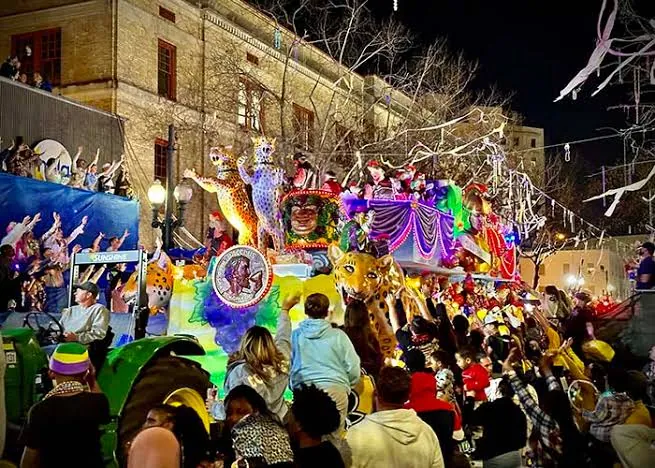
Mardi Gras Parade, New Orleans
Parades are the centerpiece of Mardi Gras, bringing New Orleans to life with elaborate floats, marching bands, costumed performers, and traditional throws such as beads, cups, and small souvenirs. Organized by social groups known as krewes, each procession adds its own character to the Carnival celebrations.
Among the most famous are the parades organized by Endymion, Bacchus, and Zulu, each known for its distinctive traditions, schedule, and route.
Before heading out, review official parade information and select a viewing location that suits your group. Arrive early for popular routes, bring portable seating if permitted, and keep your belongings secure. Families with children may appreciate less crowded viewing areas, while visitors seeking a more energetic atmosphere can enjoy the excitement along the major parade corridors.
Prepare for Transportation and Crowds
Getting around New Orleans during Mardi Gras requires flexibility. Road closures, traffic restrictions, and large crowds can make driving difficult, particularly near parade routes. Walking is often the easiest way to move between nearby celebrations. Public transportation may also be useful, although routes and schedules can change during Carnival.
Keep these tips in mind:
- Avoid relying on a rental car for short trips around parade areas.
- Check street closures before leaving your accommodation.
- Arrange meeting points in case your group gets separated.
- Keep your phone charged and save important addresses.
- Allow extra travel time, especially on parade days.
If you are staying outside the main celebration areas, plan your return journey before heading out.
Pack for a Comfortable Carnival Experience
New Orleans weather can be unpredictable during Carnival season. February often brings relatively mild temperatures, but occasional rain, cooler evenings, and sudden changes in conditions are worth preparing for. Pack comfortable walking shoes, breathable clothing, a light jacket, and a compact raincoat. A small day bag with essentials such as water, sunscreen, a portable phone charger, and any personal medication will also come in handy during long days of parades and celebrations.
Colorful costumes and festive outfits are part of the Mardi Gras atmosphere. An elaborate costume is not essential to join the fun; even a simple outfit featuring the traditional purple, green, and gold is a stylish way to embrace the spirit of the celebration.
Experience More Than the Parades
Although the parades are the main attraction, Mardi Gras offers plenty of opportunities to experience New Orleans culture. Explore the French Quarter, enjoy live jazz, sample traditional Creole and Cajun dishes, and visit local restaurants. Beignets, gumbo, jambalaya, and king cake are popular foods associated with the region and Carnival season.
You can also explore historic neighborhoods, discover local music venues, and learn about the traditions behind the celebration. Taking time to experience the city beyond the parade routes adds another dimension to your visit.
Mardi Gras Safety and Etiquette
Major Carnival celebrations are best enjoyed with a little preparation and awareness. Keep valuables secure, stay close to your group, and avoid carrying unnecessary cash or expensive belongings. Staying hydrated, moderating alcohol consumption, and locating nearby restrooms before the festivities begin can also make the day more comfortable.
Pay attention to parade officials, follow safety instructions, and remain behind designated barriers. Avoid climbing onto parade floats or entering restricted areas, and be mindful of local residents, performers, and fellow visitors. Each Carnival neighborhood may have its own traditions and expectations, so respecting local customs helps create a more enjoyable experience for everyone.
Frequently Asked Questions
When should I start planning a Mardi Gras trip?
Ideally, begin planning several months in advance. Early booking gives you more accommodation choices and makes it easier to organize flights, transportation, and parade viewing.
How many days should I spend in New Orleans for Mardi Gras?
Three to five days can provide a good introduction to the celebrations. A longer stay allows you to experience more parades, explore the city, and enjoy Carnival season at a relaxed pace.
Is Mardi Gras suitable for families?
Yes. Many parades and viewing areas are family-friendly, although some celebrations and nightlife districts are more suitable for adults. Choose parade locations carefully and check event details before attending.
What should I wear to Mardi Gras?
Comfortable shoes and weather-appropriate clothing are essential. Purple, green, and gold are traditional Mardi Gras colors, and costumes are welcome at many celebrations.
Make Your Mardi Gras Trip Count
A successful Mardi Gras experience starts with thoughtful preparation. Understanding the Carnival calendar, booking accommodation early, checking parade schedules, and planning transportation can help you avoid common travel difficulties.
Most importantly, leave room for spontaneity. Whether you are catching beads at a parade, enjoying live jazz, sampling local food, or discovering the city’s historic streets, Mardi Gras offers an experience that goes far beyond Fat Tuesday.