
Exploring an unfamiliar destination is one of travel’s greatest pleasures, but not every encounter comes with good intentions. Imagine arriving in a beautiful new destination, only to have your vacation disrupted by a fake hotel booking, an overpriced taxi ride, or a stranger taking advantage of your trust. Travel should be about discovering new places and creating memories, not dealing with unexpected losses.
Unfortunately, tourists are often targeted because they are unfamiliar with local prices, customs, and transportation systems. Many travel scams rely on distraction, pressure, or convincing offers to catch visitors off guard. Knowing the common tricks and recognizing their warning signs can help you protect your money, avoid unnecessary stress, and enjoy your journey with greater confidence.
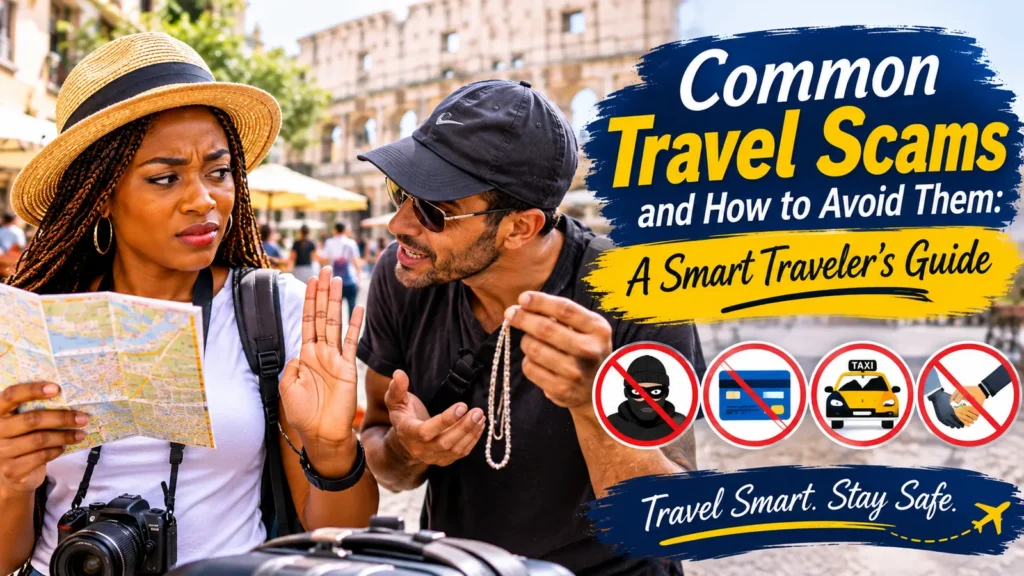
8 Travel Scams to Recognize Before You Go
1. Fake Accommodation Listings
Fraudsters sometimes copy photographs and descriptions from legitimate hotels or vacation rentals to advertise properties they do not own. After receiving payment, they may disappear or stop responding.
How to avoid it: Book through established platforms or official property websites. Check independent reviews, verify the address, and avoid requests to pay outside the booking platform.
2. Taxi Overcharging and Route Tricks
Some drivers exploit visitors by refusing to use meters, quoting inflated fares, taking unnecessarily long routes, or demanding additional payments upon arrival.
How to avoid it: Use licensed taxis or reputable ride-hailing services. Confirm the fare before departure and follow your route using a navigation app.
3. Misleading Tour and Excursion Offers
At popular attractions, unofficial guides may promise exclusive experiences at attractive prices. The actual tour may involve unexpected fees, poor service, or pressure to visit expensive shops.
How to avoid it: Book through verified operators, confirm what the package includes, and agree on the total price before making payment.
4. Street Distraction and Pickpocketing
A stranger may spill something on your clothes, offer unsolicited help, or create an unusual distraction while an accomplice takes your phone, wallet, or bag.
How to avoid it: Keep valuables secured, use bags with reliable closures, and remain aware of your surroundings in crowded areas. Politely decline assistance that makes you uncomfortable.
5. Unsolicited Gifts and Bracelet Scams
Someone may offer a bracelet, flower, souvenir, or small gift before demanding payment. Some become persistent or aggressive when visitors refuse to pay.
How to avoid it: Avoid accepting unsolicited items from strangers. If an offer is presented as free, clarify the terms before accepting anything.
6. Restaurant and Bar Overcharging
Some establishments use misleading menus, unexplained service charges, inflated bills, or pressure to purchase expensive drinks. Visitors may also be invited by strangers to unfamiliar venues where prices are deliberately excessive.
How to avoid it: Check menu prices before ordering, review your bill carefully, and choose establishments with credible customer reviews.
7. Fake Flight Deals and Booking Websites
Fraudulent websites and social media advertisements sometimes promote incredibly cheap flights, hotel packages, or free vacation offers. Their objective may be to collect payments, card details, or personal information without providing a valid booking.
How to avoid it: Verify offers directly with airlines, hotels, or recognized travel agencies. Be suspicious of unrealistic discounts, urgent payment demands, and unfamiliar websites.
8. Fake Police Officers and Unexpected Fines
Scammers may impersonate law enforcement officers, accuse tourists of breaking local rules, and demand immediate cash payments to avoid supposed penalties.
How to avoid it: Stay calm, request official identification, and avoid handing over cash or documents without verification. If uncertain, ask to resolve the matter at an official police station.
Smart Habits That Make Travel Safer
Avoiding travel scams is easier when basic security becomes part of your routine.
- Keep your passport and important documents secure, with digital copies stored separately.
- Avoid displaying large amounts of cash, expensive jewelry, or electronics unnecessarily.
- Never share your bank PIN, password, or one-time verification code.
- Use secure payment methods and avoid untraceable transfers to unfamiliar individuals.
- Research local transportation, typical prices, and common tourist scams before arrival.
- Keep emergency contacts and accommodation details accessible.
What to Do If You Become a Victim
If you become a victim of a travel scam, take action as soon as possible to limit further losses. Contact your bank or payment provider to report unauthorized transactions, block affected cards, and secure your accounts. Keep important evidence, including receipts, messages, booking confirmations, and payment records, as these may help with investigations or refund requests.
You should also report the incident to local authorities when necessary. If your passport or other essential travel documents are stolen, contact your country’s nearest embassy or consulate for guidance on replacements and emergency assistance. Acting quickly can help protect your finances and make it easier to resolve the situation.
Final Thoughts: Travel Confidently, Not Carelessly
A memorable trip should be about new experiences, not unexpected financial losses. From crowded tourist attractions to airports and online booking platforms, travel scams can occur in many places, but knowing the warning signs can help you avoid them.
Before and during your trip, verify offers, research unfamiliar services, secure your belongings, and never rush into financial decisions. Taking these precautions can help protect your money and enjoy your travels with greater confidence and peace of mind.
Frequently Asked Questions
What are the most common travel scams?
Fake accommodation listings, taxi overcharging, misleading tour offers, pickpocketing, restaurant overcharging, and fraudulent booking websites are among the common schemes targeting tourists.
How can I avoid travel scams abroad?
Research your destination, use reputable service providers, verify prices before paying, protect personal information, and be cautious of unsolicited offers.
Are tourists common targets for scammers?
Yes. Visitors may be unfamiliar with local prices, routes, and regulations, making them easier targets for dishonest individuals.
What should I do if my money is stolen while traveling?
Contact your bank immediately, report the incident to local authorities where appropriate, and secure any affected payment cards or accounts.
Is it safe to book travel deals through social media?
Some legitimate businesses advertise through social media, but fraudulent offers also exist. Verify the company independently and complete bookings through trusted payment channels.