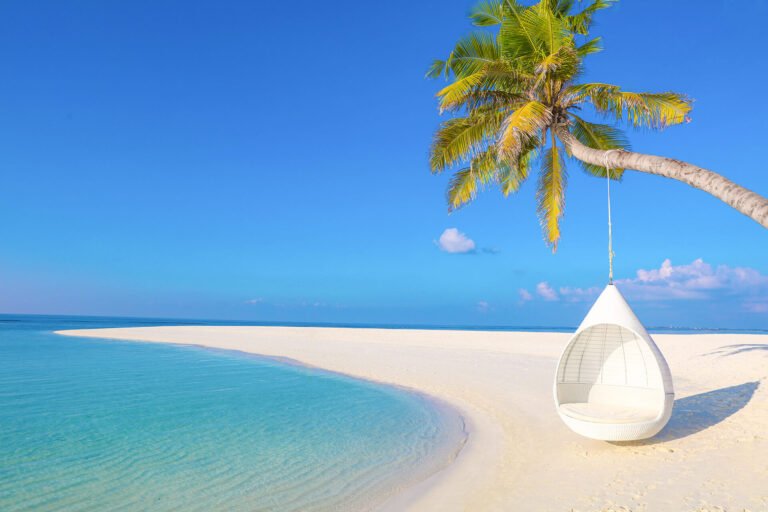
Few places offer a wildlife adventure as extraordinary as the Galápagos Islands. Located roughly 600 miles (1,000 kilometers) off the coast of Ecuador, this remote Pacific archipelago is home to giant tortoises, marine iguanas, playful sea lions, blue-footed boobies, and remarkable species found nowhere else on Earth. If you’re planning a Galapagos trip, here’s what you need to know.
A trip to the Galápagos is about more than beautiful beaches and scenic islands. Imagine snorkeling through clear waters alongside sea turtles and colorful fish, exploring dramatic volcanic landscapes, and watching fascinating wildlife roam freely in its natural habitat.
To make the most of this unforgettable experience, some planning is essential. From booking flights and choosing where to stay to understanding conservation rules and visitor requirements, knowing what to expect can help you enjoy a smoother and more rewarding adventure.
Getting to the Galápagos Islands
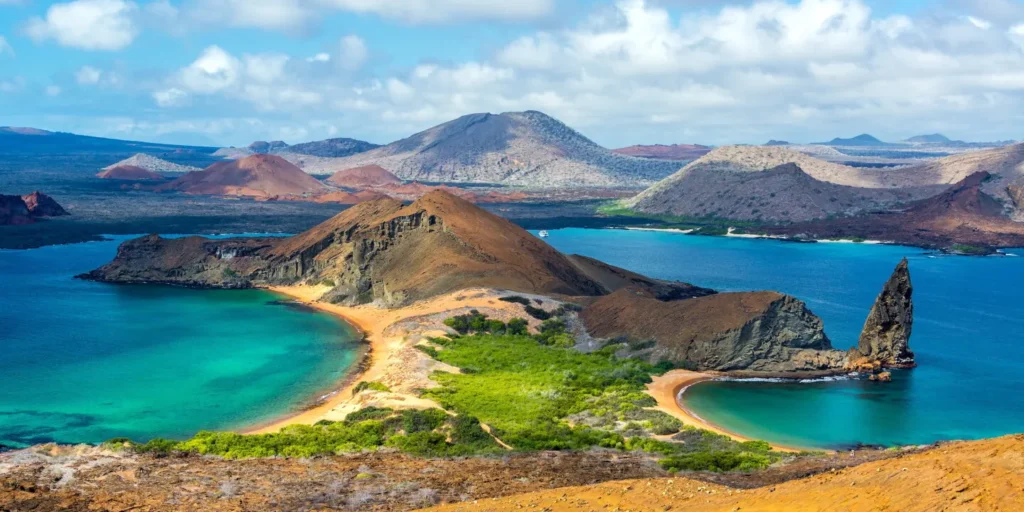
Galápagos Islands, Ecuador
The most common way to reach the Galápagos Islands is by flying from mainland Ecuador. Flights depart from Quito or Guayaquil and arrive at either Baltra Island, near Santa Cruz, or San Cristóbal Island.
Most international visitors first travel to mainland Ecuador before connecting to the islands. Consider spending a night in Quito or Guayaquil before your onward flight to allow flexibility in case of delays.
Before departure, travelers must obtain a Galápagos Transit Control Card (TCT), currently costing $20, and complete the required luggage biosecurity inspection.
Choosing Where to Stay: Three Islands Worth Exploring
Santa Cruz: The Best Base for First-Time Visitors
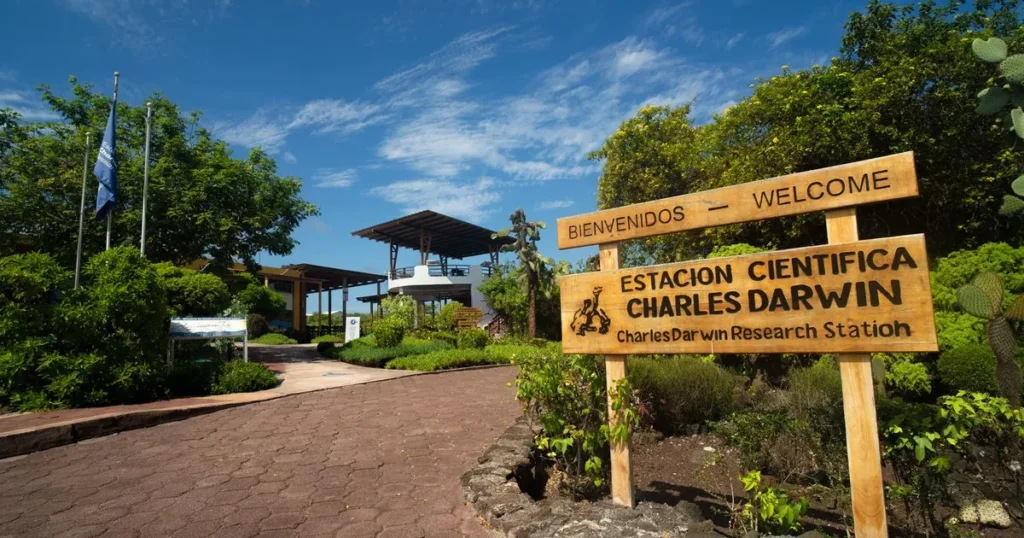
Charles Darwin Research Station | Puerto Ayora, Ecuador
Santa Cruz is the perfect starting point for an unforgettable Galápagos adventure, combining charming island life with easy access to some of the archipelago’s most remarkable wildlife experiences. In Puerto Ayora, the island’s lively main town, visitors can enjoy welcoming hotels, local restaurants, tour operators, and a relaxed coastal atmosphere.
Explore the Charles Darwin Research Station to learn about the islands’ unique wildlife, encounter giant tortoises in the lush highlands, or set off on a boat excursion to discover secluded beaches, crystal-clear waters, and extraordinary marine life. Santa Cruz offers a wonderful introduction to the natural beauty and wildlife that make the Galápagos so special.
San Cristóbal: Beaches and Marine Encounters
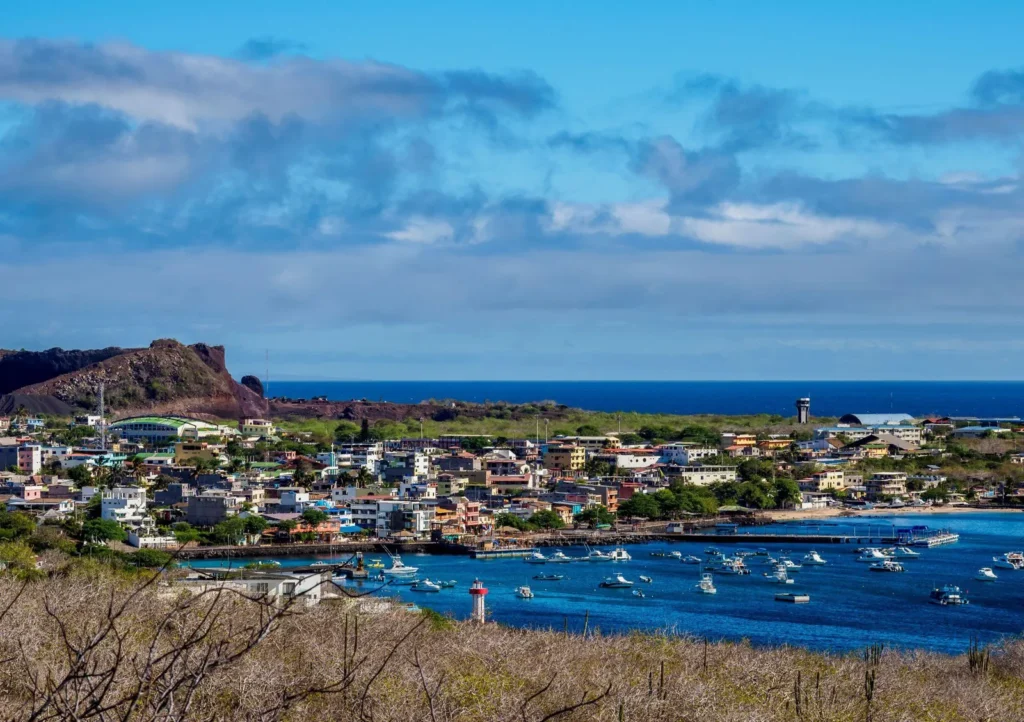
Puerto Baquerizo Moreno | Galápagos Province, Ecuador
San Cristóbal is a wonderful destination for travelers seeking peaceful beaches, breathtaking coastal scenery, and unforgettable wildlife encounters. Its laid-back main town, Puerto Baquerizo Moreno, offers welcoming accommodation, local restaurants, and easy access to snorkeling adventures and scenic coastal spots.
Along the island’s shores, visitors can watch playful sea lions resting on sandy beaches, spot marine iguanas basking on volcanic rocks, and discover colorful tropical fish beneath the clear waters. Seabirds soaring overhead add to the experience, making San Cristóbal an ideal place to enjoy the natural wonders of the Galápagos at a relaxed pace.
Isabela: Volcanic Landscapes and Natural Beauty
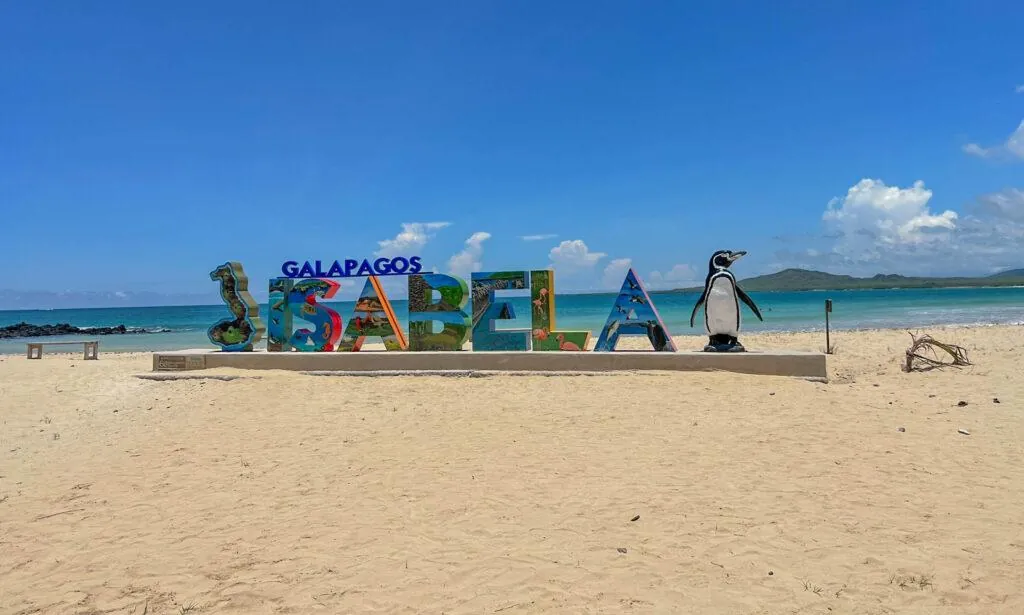
Isabela Island | Galapagos Islands, Ecuador
Isabela is the largest island in the Galápagos and a dream destination for travelers who love nature, adventure, and untouched landscapes. Its dramatic volcanic scenery, peaceful coastal lagoons, and beautiful snorkeling spots create endless opportunities for exploration.
Visitors can discover unique wildlife, including the rare Galápagos penguins, along with sea turtles, marine iguanas, and other fascinating species. Whether exploring volcanic terrain or swimming through clear waters, Isabela offers an unforgettable opportunity to experience the wild beauty of the archipelago.
Island-Hopping or a Galápagos Cruise?
One of the biggest decisions when planning a Galapagos trip is choosing how to explore the islands.
Island-hopping: Staying in local accommodation and booking day excursions offers flexibility. It can suit independent travelers who prefer spending time in inhabited towns and choosing activities individually. However, some remote visitor sites require boat excursions.
Cruise experience: A multi-day cruise allows visitors to explore several islands and remote wildlife locations without repeatedly arranging accommodation and transportation. It is particularly useful for travelers with limited time who want broader access to the archipelago.
Your choice depends on your budget, preferred travel style, and the islands you want to experience.
The Best Time to Visit the Galápagos Islands
The Galápagos can be visited throughout the year, but conditions vary by season.
- December to May: Warmer weather, generally calmer seas, and warmer water make this period attractive for swimming and snorkeling.
- June to November: Cooler ocean conditions and nutrient-rich waters support impressive marine activity. This season can be particularly appealing to wildlife enthusiasts and divers.
Wildlife sightings are possible throughout the year, although animal activity varies by species and breeding season.
Understanding Travel Costs and Entry Requirements
The Galápagos requires a separate budget beyond your international flight to Ecuador. Accommodation, boat excursions, guided activities, meals, and inter-island transportation can significantly influence your total spending.
International visitors should also budget for mandatory entry charges. The Transit Control Card costs $20, while the Galápagos National Park entrance fee is currently $200 for most foreign visitors aged 12 and above and $100 for foreign children under 12. Different rates apply to certain South American nationalities and Ecuadorian residents.
Foreign tourists must also meet Ecuador’s Galápagos health-insurance requirements. Check current entry rules, visa requirements, and documentation before booking.
Essential Tips for a Responsible Galápagos Vacation
The islands are environmentally sensitive, and protecting their wildlife is an important part of every visit.
- Choose licensed tour operators and qualified naturalist guides.
- Maintain the required distance from wildlife and never touch or feed animals.
- Follow marked trails and designated visitor routes.
- Avoid bringing prohibited food, plants, or other restricted materials.
- Pack reef-safe sun protection, comfortable walking shoes, swimwear, and lightweight clothing.
- Reserve popular accommodation, cruises, and excursions well in advance.
Final Thoughts: Make Your Galápagos Adventure Count
A Galapagos trip is an opportunity to experience one of the world’s most remarkable natural environments. Whether you choose Santa Cruz as your base, explore the beaches of San Cristóbal, discover Isabela’s volcanic scenery, or travel between islands on a cruise, each experience offers something different.
Plan your transportation carefully, understand the entry requirements, and choose activities that respect the islands’ fragile ecosystems. With thoughtful preparation, the Galápagos can become one of the most memorable wildlife adventures you will ever experience.
Frequently Asked Questions
How many days do you need in the Galápagos Islands?
Around seven to ten days provides a good introduction to several islands and wildlife experiences. Shorter trips are possible, but offer less flexibility.
Is the Galápagos expensive to visit?
It can be expensive because of flights, park fees, accommodation, and guided excursions. Independent island-hopping may offer more budget flexibility than a multi-day cruise.
Can you visit the Galápagos without a cruise?
Yes. Travelers can stay in hotels on inhabited islands and arrange guided day trips to nearby visitor sites.
Which Galápagos island is best for first-time visitors?
Santa Cruz is a convenient starting point because it has established accommodation, restaurants, tour operators, and access to several popular attractions.
Is the Galápagos worth visiting?
Yes. Its distinctive wildlife, volcanic landscapes, snorkeling opportunities, and conservation-focused visitor experiences make it an exceptional destination for nature lovers.