
As a traveler, scuba diving can introduce you to the incredible underwater world of the ocean. As you journey through the water, you can explore beautiful caves, stunning underwater vistas, tropical fish, coral reefs, and sea turtles, which bring a whole new perspective of nature that many travelers never have the opportunity to experience. For those that are new to the water, the experience of scuba diving can be particularly rewarding, as it gives you the chance to learn a new skill while exploring some of the most beautiful places on earth.
But selecting the best location is just one aspect of a safe and fun first experience. Most new divers should consider a travel destination with warm water, clear visibility, mild currents, close proximity to shallow reefs, and instructors who take time to teach at a relaxed tempo. Countries with dive resorts, low-cost certifications, and beginner-rated dives are ideal for those taking their first diving classes.
Luckily, there are many great places across the globe that are safe and welcoming for beginners, and are also just as beautiful as more challenging, experienced diving spots. From the Caribbean’s warm, pristine and clear tropical waters to cheap island dives in Southeast Asia, or the rich biodiversity of the Pacific islands, there are so many options to get to know the underwater world. It all comes down to choosing the best place for your first diving trip.
1. Bonaire, Caribbean Netherlands — Relaxed Reef Exploration
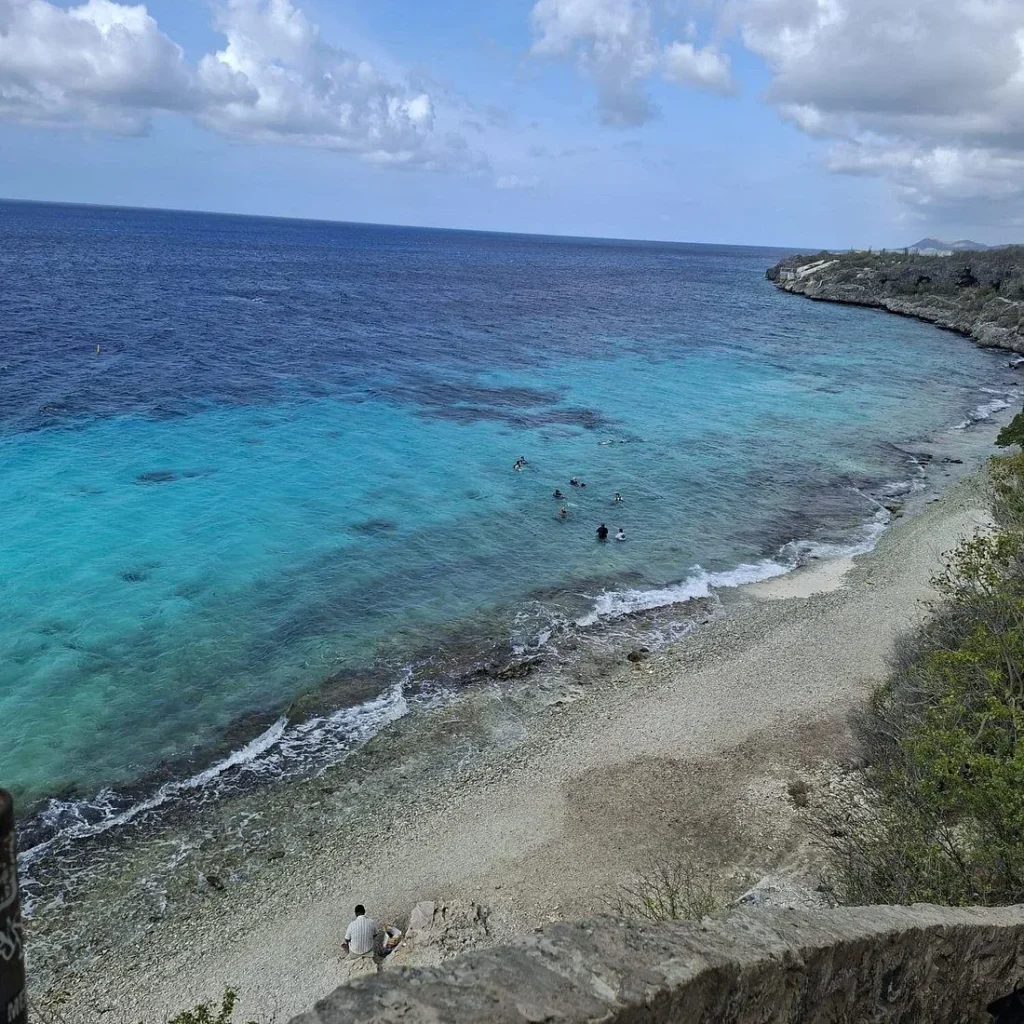
1000 Steps Beach | Bonaire, Caribbean Netherlands
Bonaire is popular for its accessible reefs and laid-back diving atmosphere. This southern Caribbean island boasts warm waters, protected marine environments, and numerous dive sites. One notable location is 1000 Steps Beach, where divers can explore shallow coral reefs, tropical fish, and sea turtles. Despite its name, the beach has only 67 steps leading down to the water. Its accessible reef and generally mild conditions make it an appealing spot for beginners exploring with a guide. This destination is best for beginners seeking relaxed shore diving, beautiful coral reefs, and a stress-free introduction to scuba diving.
2. Florida Keys, USA — Professional Instruction and Marine Life
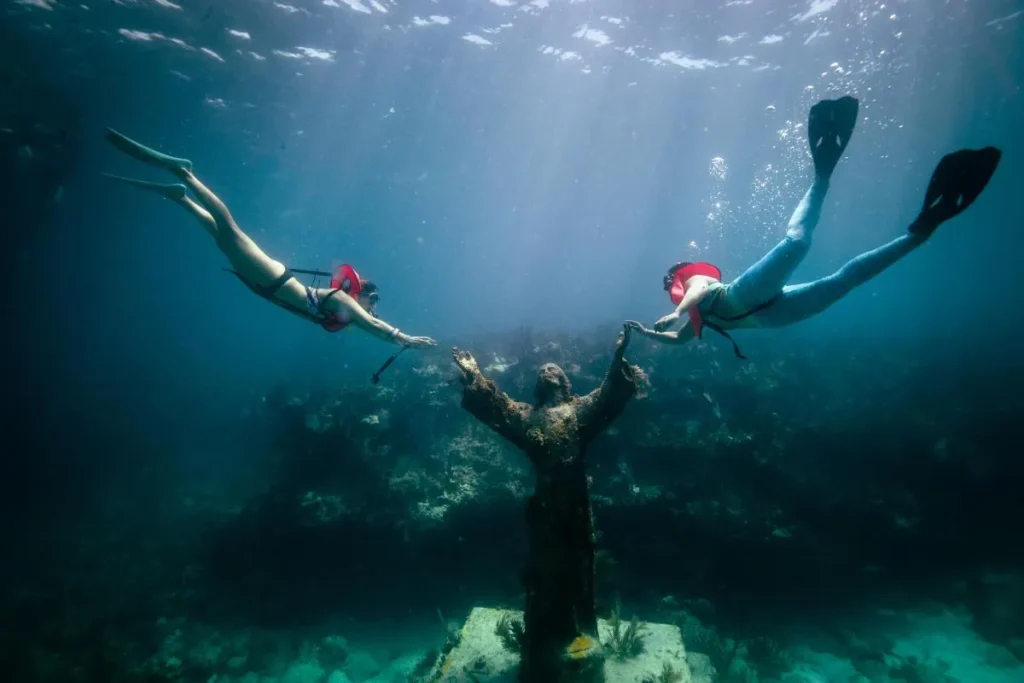
Christ of the Abyss statue, John Pennekamp Coral Reef State Park
The Florida Keys are a prime option if you’re a scuba diving fanatic. Florida Keys are famous for their reefs, marine parks, and the growing diving industry. It is popular, for instance, to visit the John Pennekamp Coral Reef State Park. No trip to the Keys, however, would be complete without taking a few days to explore the John Pennekamp Coral Reef State Park just off of Key Largo. At John Pennekamp, you can marvel at healthy living reefs and view the famous Christ of the Abyss statue – a bronze statue measuring 8 1/2 feet submerged about 25 feet underwater.Visitors can enjoy their day of relaxation, swimming among the fish, coral and sponges of the tropical reef in their snorkel gear.
Many dive operators run intro programmes and courses. Novices are able to try out their basic skills with an instructor and then venture out to more suitable open water areas. This Location Is Best For: Beginners wanting professional training and accessible dives.
3. Koh Tao, Thailand — Affordable Diving Courses
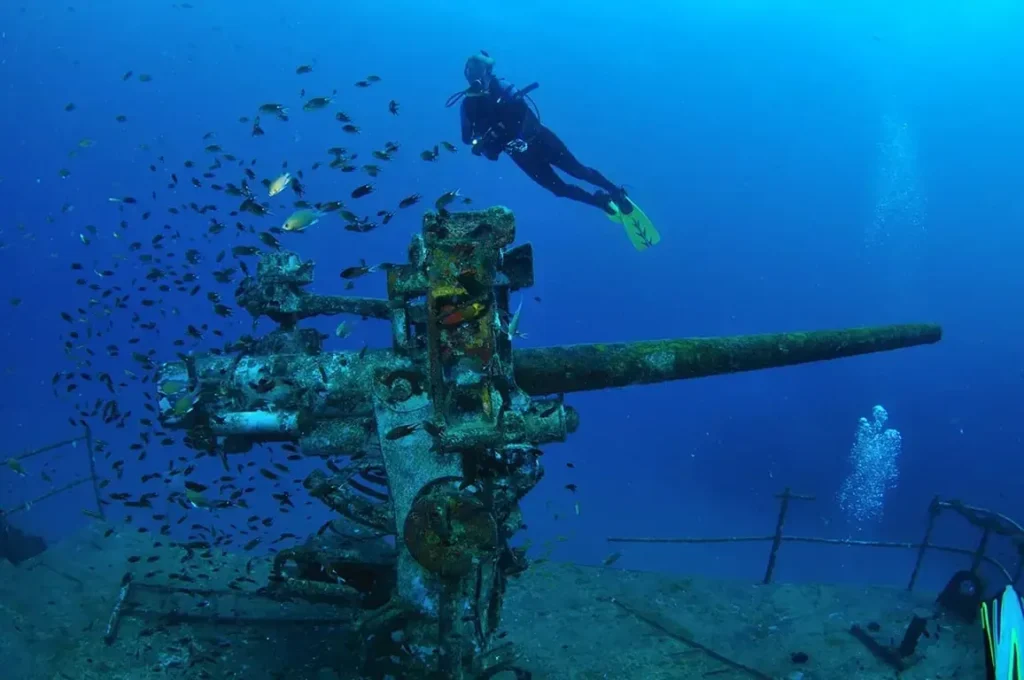
The bow gun of the HTMS Sattakut wreck | Koh Tao, Thailand
Koh Tao is one of Southeast Asia’s most popular destinations for learning scuba diving, attracting backpackers with affordable dive courses, welcoming dive schools, and a friendly diving community. Its gentle dive sites offer beginners a comfortable introduction to underwater exploration, where they can discover tropical fish, coral reefs, and sea anemones.
One notable attraction is the HTMS Sattakut wreck, a former Thai Navy vessel now serving as an artificial reef, featuring a distinctive 76 mm bow-mounted naval gun. Beyond diving, visitors can enjoy beautiful beaches, snorkeling, local restaurants, and a relaxed island atmosphere without spending too much.
4. Maui, Hawaii — Explore Pacific Marine Life
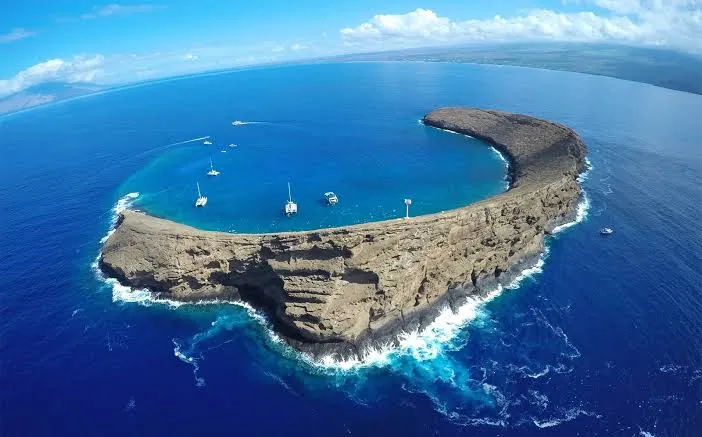
Molokini Crater | Maui, Hawaii
Maui offers a distinctive diving experience, with underwater landscapes shaped by volcanic activity. Its coastal waters support Hawaiian green sea turtles, tropical fish, and fascinating reef environments.
Molokini Crater is one of the island’s best-known diving attractions, celebrated for its clear water and underwater scenery. Another notable spot is Turtle Town, near Makena, where divers can encounter Hawaiian green sea turtles swimming around rocky reefs and coral formations. Beginners should follow local instructors’ recommendations when selecting suitable dive sites.
Maui also offers beautiful beaches, Hawaiian culture, and outdoor activities, making it an appealing destination for a wider vacation. This destination is best for travelers who want to combine beginner scuba diving with a memorable Hawaiian holiday.
5. Curaçao, Dutch Caribbean — Colorful Underwater Landscapes
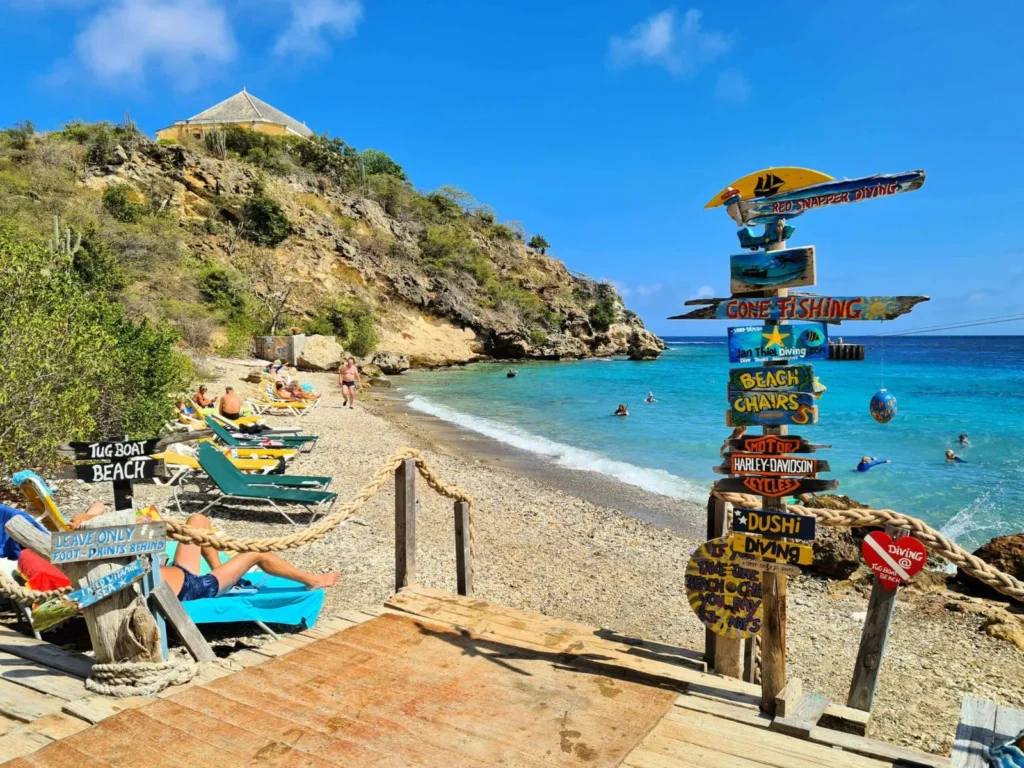
Tugboat Beach | Curaçao, Dutch Caribbean
Curaçao is a great destination for beginner scuba divers, offering warm Caribbean waters, accessible shore dives, and colorful reefs filled with tropical fish, sponges, and occasional sea turtles. Tugboat Beach is a popular underwater attraction, known for its sunken tugboat wreck surrounded by marine life. Local dive schools offer introductory lessons and certification courses, while the island’s beautiful beaches, restaurants, and Willemstad’s colorful architecture make it ideal for travelers seeking a mix of underwater exploration, beach relaxation, and Caribbean culture.
Comparing the Five Destinations
| Destination | Main Attraction | Beginner Appeal |
|---|---|---|
| Bonaire | Accessible coral reefs | Relaxed reef exploration |
| Florida Keys | Marine sanctuaries | Established dive schools |
| Koh Tao | Affordable courses | Certification opportunities |
| Maui | Volcanic underwater scenery | Guided diving experiences |
| Curaçao | Colorful reefs | Accessible coastal diving |
What to Expect During Your First Scuba Dive
Most introductory programs begin with an explanation of the diving equipment, including the mask, regulator, buoyancy control device, and air cylinder.
An instructor will guide a demonstration of safety procedures and underwater communication signals. New divers may want to get some practice in a pool or calm, shallow water before heading for an open-water dive with a guide. Some of the skills you will practice and learn include breathing from the regulator, clearing the mask, equalizing your ears, and controlling buoyancy. It should feel relaxed and easy, taking your instructor’s lead.
Four Things to Consider Before Booking
1. Choose qualified instructors: Select a reputable dive center with appropriately trained professionals and suitable beginner programs.
2. Check water conditions: Visibility, currents, weather, and water temperature can affect your experience. Follow local recommendations.
3. Understand your comfort level: Beginners should remain within the depth and conditions permitted by their training and instructor.
4. Review medical requirements: Certain medical conditions may affect diving suitability. Complete the required medical questionnaire honestly and seek professional advice when necessary.
Final Thoughts
Your first dive should be easy, relaxed, and thoughtfully guided. Reef dive in Bonaire, dive where there is existing dive infrastructure in the Florida Keys, or get a great deal of training on Koh Tao.
Meanwhile, the sun and the sea unite to bring the best of both worlds to Maui, while Curaçao is awash with fantastic reefs and tropical Caribbean vibes. Whatever your end point, find the right qualified instruction, right water conditions and a program that is right for your level of experience. With proper instruction, your first dive might just be the start of a lifetime adventure.