Exploring street food is one of the most exciting parts of traveling, and a little street food safety knowledge lets you enjoy it without getting sick. From freshly grilled skewers and sizzling noodles to local pastries and traditional soups, roadside food stalls offer an authentic taste of a destination’s culture.
However, unfamiliar ingredients, poor food handling, unsafe water, and inadequate refrigeration can increase the risk of foodborne illness. A memorable meal can quickly become an uncomfortable experience if basic precautions are overlooked.
Good street food safety does not mean avoiding local food altogether. It means knowing what to look for, making informed choices, and understanding how to reduce your risk while enjoying the flavors of a new destination.
Choose Busy Food Stalls With High Customer Turnover
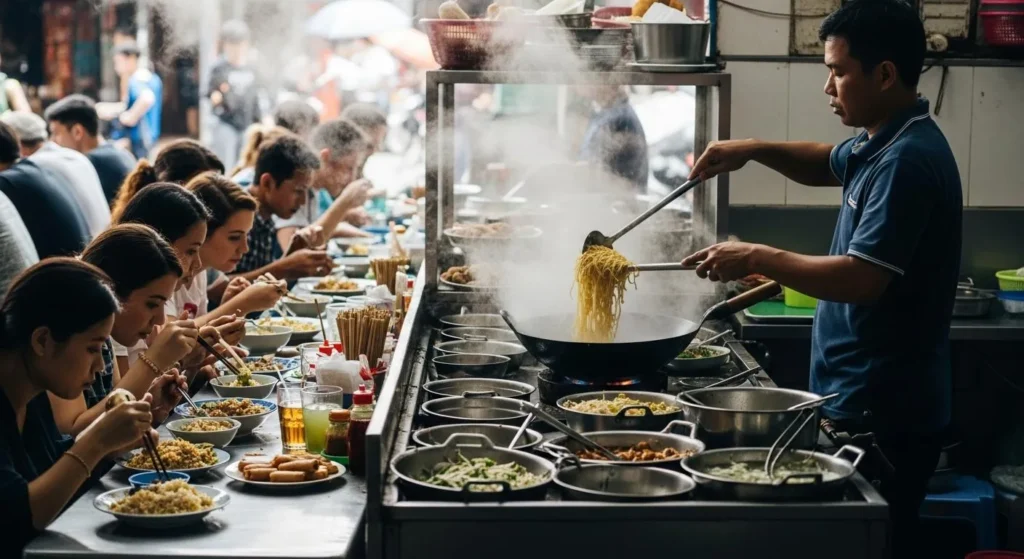
One of the easiest ways to make safer street food choices is to watch how vendors prepare and serve their meals. Stalls with a steady flow of customers may prepare food more frequently, reducing the time cooked dishes remain sitting out. Look for vendors who maintain clean, organized workspaces and handle ingredients carefully.
Check that raw ingredients are stored separately from cooked food and that clean utensils are used when serving ready-to-eat meals. Avoid stalls where food is left uncovered or handled with unwashed hands.
Although a busy stall is not automatically safe, consistent customer activity combined with good hygiene practices can offer greater reassurance when choosing where to eat.
Eat Food That Is Freshly Cooked and Served Hot
Food temperature is an important factor in preventing foodborne illness. Choose meals that are thoroughly cooked and served steaming hot, such as freshly grilled meat, stir-fried vegetables, and soups straight from the cooking pot. These are generally safer choices than dishes that have been left sitting at room temperature for extended periods.
Be cautious with:
- Meat, seafood, and eggs that appear undercooked.
- Cooked dishes displayed uncovered for long periods.
- Food that is only lukewarm when served.
- Buffets or containers where hot and cold foods are not kept at safe temperatures.
If a meal does not look freshly prepared or has an unusual smell, choose something else.
Be Careful With Water, Ice, and Raw Ingredients
Contaminated water is a common cause of travel-related stomach infections, and even freshly prepared food can become unsafe through contact with untreated water. When local water quality is uncertain, stick to sealed bottled water or properly treated alternatives, and check that bottled drinks are sealed before opening.
Be cautious with ice, as it may be made from unsafe water. Raw salads, unpeeled fruit, and vegetables washed with contaminated water can also carry harmful microorganisms. To reduce the risk, choose fruit you can peel yourself and vegetables that have been thoroughly cooked. Hepatitis A and typhoid both spread through contaminated food and water, so ask a doctor or travel clinic whether you need either vaccine for your trip.
Watch How Vendors Handle Food
Good food hygiene involves more than a clean-looking stall. Watch how vendors handle ingredients, wash their hands, and keep prepared food protected from insects and dust. They should also use separate utensils for raw and cooked ingredients to prevent cross-contamination.
Be cautious of stalls where raw meat, seafood, or poultry comes into contact with ready-to-eat food. Avoid vendors who reuse cutting boards, knives, or unwashed hands between different ingredients without proper cleaning.
Understand Your Personal Food Tolerance
Travel often means trying unfamiliar ingredients, spices, and cooking styles, which can sometimes cause digestive discomfort even when food is prepared safely. If you have a sensitive stomach, introduce new dishes gradually, begin with smaller portions, and avoid trying too many unfamiliar foods at once.
Travelers with food allergies or dietary restrictions should clearly communicate their needs and ask about ingredients, sauces, cooking oils, and shared preparation surfaces. Never assume a meal is safe based on its main ingredients alone, as hidden additives or cross-contact during preparation can also pose a risk.
Pack a Few Food Safety Essentials
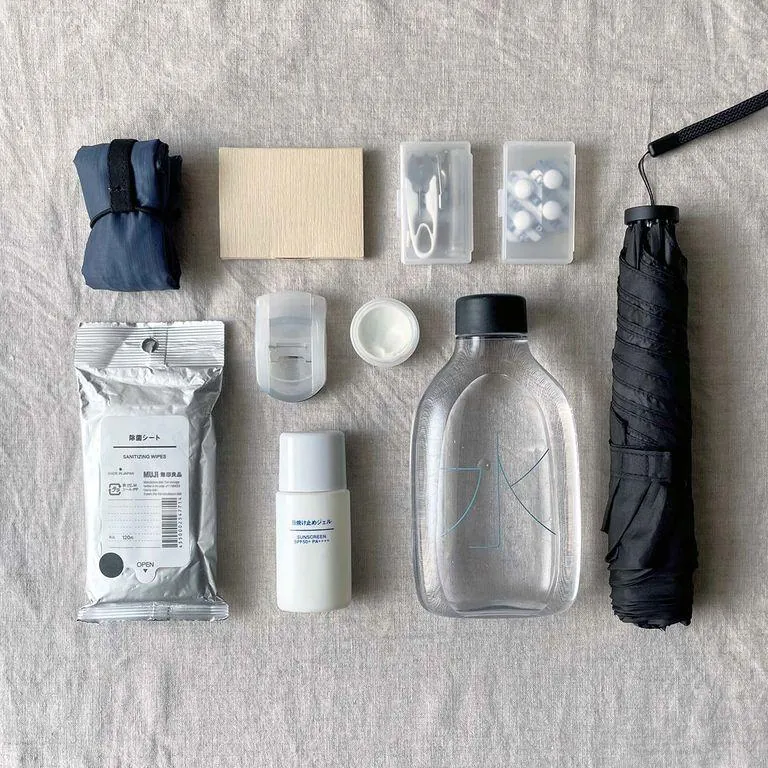
A small travel hygiene kit can be useful when exploring street markets and roadside food stalls.
Consider carrying:
- Alcohol-based hand sanitizer containing at least 60% alcohol.
- Disposable tissues or clean wipes.
- A reusable water bottle that can be filled with safely treated water.
- Any prescribed medication and personal health supplies.
Wash your hands with soap and clean water whenever possible, especially before eating. Hand sanitizer is a useful alternative when washing facilities are unavailable, although it does not remove every type of contaminant.
What to Do If You Develop Food Poisoning
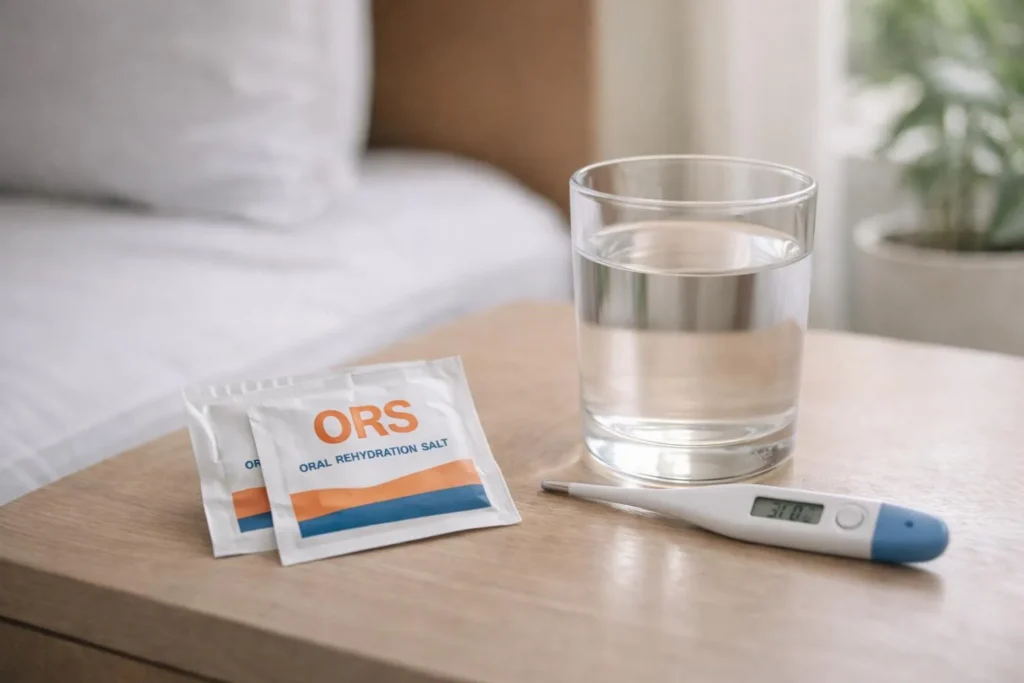
Even with careful food choices, travelers can still develop foodborne illness. Common symptoms include diarrhea, stomach cramps, nausea, vomiting, and fever. Mild cases often improve with rest and adequate hydration. Oral rehydration solution (ORS) can help replace fluids and electrolytes lost through vomiting or diarrhea. Prepare it according to the instructions using safe drinking water.
Seek medical attention if you experience bloody diarrhea, a high fever, severe abdominal pain, persistent vomiting, or signs of dehydration. Medical advice is also important if symptoms worsen or do not improve. Young children, older adults, pregnant travelers, and people with weakened immune systems should seek prompt medical guidance because they may be more vulnerable to complications. If you end up at a clinic abroad, travel insurance with medical cover can pay for the visit.
Final Thoughts
Street food is one of the most enjoyable ways to experience a destination’s culture, local traditions, and authentic flavors. From lively night markets to small roadside kitchens, some of the most memorable travel meals can come from discovering local specialties.
The secret to enjoying these culinary experiences safely is to choose freshly prepared food, observe hygiene standards, and use safe drinking water. With a few sensible precautions, you can explore local flavors with greater confidence while reducing the risk of foodborne illness disrupting your vacation.
Frequently Asked Questions
Is street food safe to eat when traveling?
Street food can be enjoyed safely when vendors follow good hygiene practices, ingredients are stored properly, and meals are thoroughly cooked. However, no choice eliminates the risk entirely.
What street foods should travelers avoid?
Be cautious with undercooked meat and seafood, raw produce washed with unsafe water, uncovered food, unpasteurized dairy, and dishes that have been left at room temperature for extended periods.
Is bottled water always safer than tap water?
Sealed bottled water from a reputable source is generally a safer option where local tap water is unsafe. Check the seal before drinking and avoid ice made from uncertain water sources.
Can hand sanitizer prevent food poisoning?
Hand sanitizer can reduce germs on your hands and lower the risk of transferring contamination to food. However, proper handwashing with soap and clean water remains preferable whenever available.