Few destinations in the United States bring together such an extraordinary collection of natural wonders as Yellowstone and Grand Teton National Parks. Located in northwestern Wyoming, these neighboring parks offer a journey through landscapes shaped by volcanic activity, ancient glaciers, powerful rivers, and millions of years of geological change.
Yellowstone is a place of steaming geysers, colorful hot springs, deep canyons, and wildlife-filled valleys. Just south of it, Grand Teton presents a completely different landscape, where jagged mountain peaks rise dramatically above alpine lakes, forests, and the broad Jackson Hole valley.
Together, the parks create one of America’s most rewarding wilderness destinations. Visitors can watch Old Faithful erupt, admire the brilliant colors of Grand Prismatic Spring, search for bison in Yellowstone’s valleys, and enjoy the reflection of the Teton Range across the still waters of Jenny Lake.
Yet experiencing both parks requires more than simply choosing a few famous attractions. Their immense size, seasonal road conditions, and variety of outdoor activities make thoughtful planning essential.
This Yellowstone and Grand Teton guide explores the landscapes that make each park remarkable, the experiences worth prioritizing, and how to plan a trip that balances adventure with time to appreciate the scenery.
Two National Parks, One Remarkable Wilderness Experience
Yellowstone and Grand Teton are often visited together because of their proximity, but their landscapes and visitor experiences are distinctly different.
Yellowstone is best known for its geothermal features and wildlife. It contains an extraordinary concentration of geysers, hot springs, mudpots, and fumaroles, along with extensive forests, rivers, waterfalls, and open valleys.
Grand Teton, meanwhile, is defined by its dramatic mountain skyline. The Teton Range rises sharply above Jackson Hole, creating one of the most recognizable mountain landscapes in North America.
The contrast between the two parks is part of what makes a combined visit so rewarding.
| Experience | Yellowstone National Park | Grand Teton National Park |
|---|---|---|
| Defining landscape | Geothermal basins, forests, canyons, and valleys | Jagged mountains, alpine lakes, and glacial landscapes |
| Most recognizable attraction | Old Faithful and Grand Prismatic Spring | The Teton Range and Jenny Lake |
| Wildlife opportunities | Bison, elk, bears, wolves, and other wildlife | Moose, elk, bears, bison, and other wildlife |
| Popular activities | Geothermal sightseeing, wildlife watching, scenic drives | Hiking, boating, photography, and mountain exploration |
| Recommended visit | 3–4 days | 2–3 days |
| Overall atmosphere | Expansive and geologically extraordinary | Mountain-focused and visually dramatic |
For a first visit, plan approximately five to seven days to experience both parks comfortably. Travelers interested in longer hikes, wildlife photography, or more remote areas may benefit from additional time.
Yellowstone: Where the Earth Feels Alive
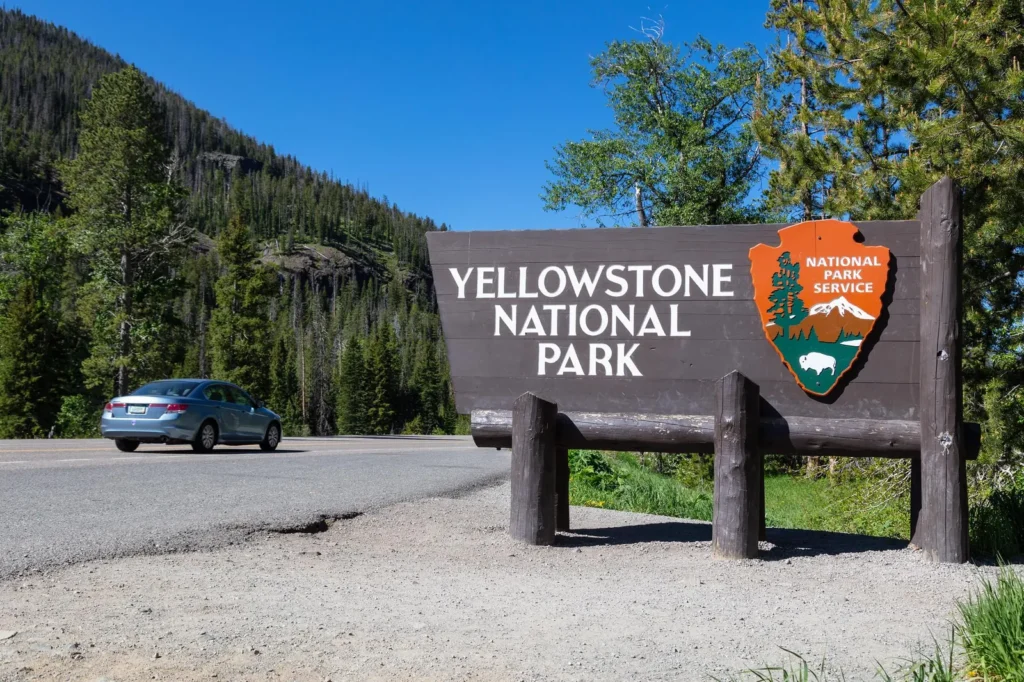
Yellowstone National Park, Wyoming
Yellowstone National Park, established in 1872 as America’s first national park, is an extraordinary destination known for its geothermal wonders, dramatic landscapes, abundant wildlife, and remarkable geological history. The park sits above an enormous volcanic system that powers its famous geysers, colorful hot springs, and steaming geothermal basins. Beyond these natural attractions, Yellowstone features towering waterfalls, deep canyons, mountain forests, and expansive valleys where wildlife roams freely. Its incredible diversity makes it one of the most fascinating national parks in the United States, offering visitors opportunities to experience both the power of the Earth and the beauty of untouched wilderness.
One of Yellowstone’s most iconic attractions is Old Faithful, a famous geyser in the Upper Geyser Basin that periodically sends powerful columns of hot water and steam into the air. The surrounding area features numerous geothermal pools, smaller geysers, and scenic boardwalks, while the historic Old Faithful Inn showcases impressive rustic architecture. Another spectacular highlight is Grand Prismatic Spring, an enormous hot spring celebrated for its brilliant blue, green, yellow, and orange colors. Visitors can admire its beauty from nearby boardwalks or enjoy a panoramic perspective from the Grand Prismatic Spring Overlook.

Grand Canyon of the Yellowstone | Yellowstone National Park, Wyoming
Yellowstone’s scenery becomes even more dramatic at the Grand Canyon of the Yellowstone, where colorful canyon walls surround the Yellowstone River and its magnificent waterfalls. The 308-foot Lower Falls is particularly impressive, with Artist Point offering one of the park’s most photographed views. Wildlife enthusiasts will appreciate Lamar Valley, a vast grassland region where bison, elk, pronghorn, and occasionally wolves can be observed in their natural habitats. Early mornings and evenings often provide excellent wildlife-viewing opportunities, although sightings are never guaranteed.
Another remarkable attraction is Mammoth Hot Springs, where mineral-rich geothermal water has created beautiful travertine terraces in shades of white, cream, orange, and brown. These constantly evolving formations offer a fascinating glimpse into Yellowstone’s ongoing geological activity. With its combination of geothermal attractions, breathtaking viewpoints, wildlife encounters, and scenic landscapes, Yellowstone National Park provides an unforgettable experience for travelers exploring the American West.
Grand Teton: The Beauty of Mountains, Lakes, and Open Valleys
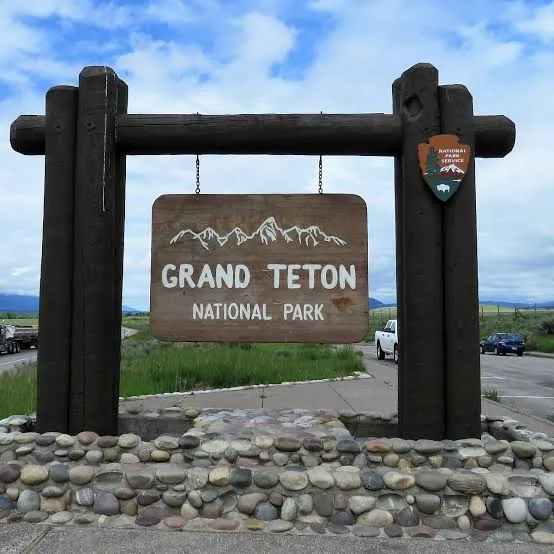
Grand Teton National Park, Wyoming
Grand Teton National Park offers a breathtaking contrast to Yellowstone’s geothermal landscapes, replacing steaming geysers and colorful hot springs with towering mountain peaks, crystal-clear lakes, lush forests, and expansive valleys. The dramatic Teton Range rises sharply above Jackson Hole, creating one of the most recognizable mountain skylines in the American West. Although smaller than Yellowstone, Grand Teton is equally impressive, attracting visitors with its spectacular alpine scenery, peaceful lakeside settings, wildlife-viewing opportunities, and scenic hiking trails. The park is particularly beautiful during sunrise and sunset, when soft golden light illuminates the rugged mountain peaks.

Jenny Lake, Grand Teton | Wyoming
One of the park’s most popular attractions is Jenny Lake, a picturesque alpine lake surrounded by dense forests and towering mountains. Visitors can explore scenic walking trails, enjoy peaceful lakeside views, or take a seasonal boat shuttle across the water to reach popular hiking destinations. Hidden Falls, a beautiful waterfall tucked within the forest, and Inspiration Point, which offers sweeping views across Jenny Lake and the surrounding valley, are among the area’s most rewarding attractions. Arriving early is recommended during summer, when the lake’s parking areas and hiking trails can become crowded.
For travelers interested in photography and tranquil landscapes, Schwabacher Landing provides one of the park’s most spectacular settings. Located near the Snake River, this peaceful area is famous for its stunning reflections of the Teton Range, particularly during calm mornings. Wildlife, including moose, may occasionally be spotted nearby. Another iconic photography destination is Mormon Row, where historic homestead buildings and the famous Moulton barns stand against the dramatic mountain backdrop. The preserved structures offer a fascinating glimpse into the lives of early settlers who established farms in Jackson Hole.
Oxbow Bend is another remarkable viewpoint, featuring a gentle curve of the Snake River surrounded by wetlands, forests, and mountain scenery. Mount Moran dominates the background, creating beautiful reflections when the water is still. The area is especially attractive during autumn, when colorful foliage adds warmth to the landscape. Farther north, Jackson Lake offers expansive mountain views, scenic shoreline drives, and opportunities for outdoor recreation. The nearby Colter Bay area provides access to walking trails, lakeside scenery, and seasonal activities, although changing water levels can affect boating and shoreline access.
With its combination of dramatic mountain landscapes, serene lakes, historic landmarks, and abundant natural beauty, Grand Teton National Park offers an unforgettable experience for travelers seeking adventure, relaxation, and some of the most spectacular scenery in the American West.
The Wildlife Experience: What You Might See and How to Stay Safe
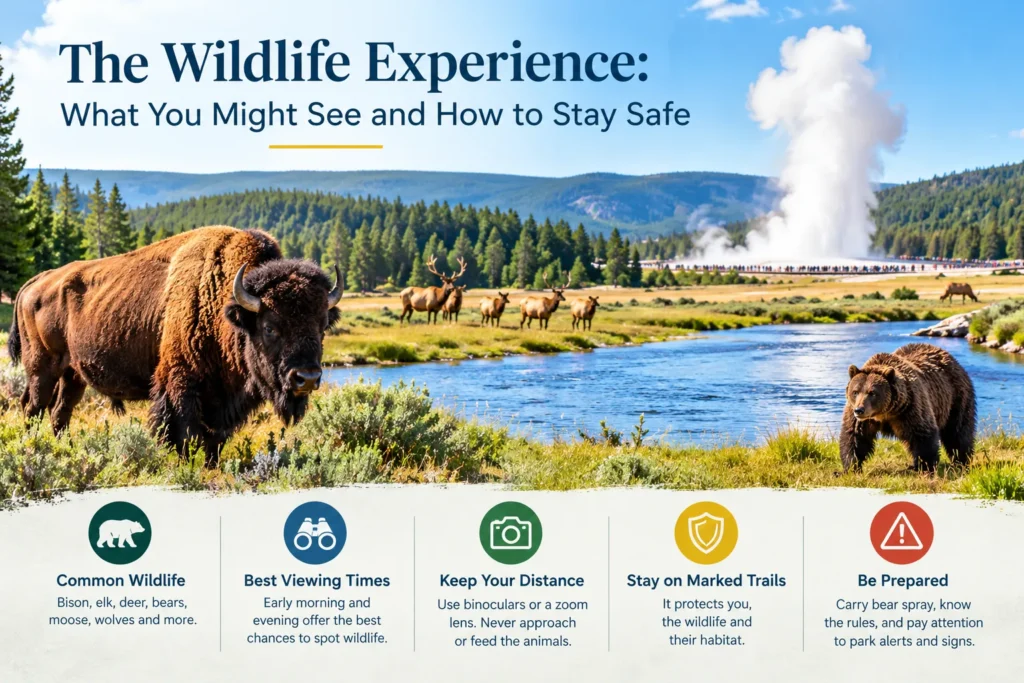
Wildlife is one of the greatest attractions of Yellowstone and Grand Teton. Both parks protect important habitats for large mammals, birds, and other species. However, wildlife watching should always be approached with patience and respect.
| Wildlife | Where Sightings May Be Possible | What to Know |
|---|---|---|
| Bison | Yellowstone’s Lamar and Hayden valleys; parts of Grand Teton | Large animals that can move quickly and behave unpredictably |
| Elk | Open valleys, meadows, and forest edges | Particularly active during the autumn mating season |
| Moose | Wetlands, river corridors, and willow habitats | Often solitary and potentially dangerous when approached |
| Grizzly bears | Various habitats across both parks | Maintain required distances and follow bear-safety guidance |
| Black bears | Forested areas and other suitable habitats | Never approach or feed bears |
| Wolves | Particularly Yellowstone’s northern range | Often difficult to spot without binoculars or a spotting scope |
| Bald eagles and other birds | Rivers, lakes, and wetlands | Best observed quietly from a respectful distance |
Visitors must remain at least 100 yards from bears and wolves and at least 25 yards from other wildlife, including bison, elk, and moose. Greater distances may be necessary if an animal reacts to your presence.
Never approach animals for photographs or attempt to feed them. When hiking in bear country, carry bear spray where permitted, know how to use it, and follow current park recommendations for traveling safely. Wildlife sightings are unpredictable, and the safest experiences are those that allow animals to remain undisturbed.
How to Divide Your Time Between Yellowstone and Grand Teton
For a Yellowstone and Grand Teton trip, you want to carefully consider how many days to spend at each of the parks. Yellowstone typically has more days because of its size, more dispersed attractions, and driving distances between major sites.
The Grand Teton is smaller, making it feasible to visit multiple scenic overlooks, alpine lakes, and outdoor adventures in a shorter timeframe. Spending more time in Yellowstone and taking a day or two for the Grand Teton will give you a taste of the best both parks have to offer.
Instead of following a rigid itinerary, consider the following travel styles.
| Time Available | Yellowstone | Grand Teton | Overall Experience |
|---|---|---|---|
| 3 days | 2 days | 1 day | A quick introduction to both parks |
| 5 days | 3 days | 2 days | A balanced trip covering major highlights |
| 7 days | 4 days | 3 days | More relaxed exploration with hiking opportunities |
| 10 days | 6 days | 4 days | A deeper wilderness experience |
For most first-time visitors, five to seven days is an excellent balance.
A longer trip is particularly worthwhile if you enjoy hiking, wildlife photography, or spending time in less crowded areas. It is also important to account for driving time. Yellowstone’s roads connect attractions across a large area, and traffic delays can occur because of wildlife, construction, or busy parking areas.
A flexible schedule is often more enjoyable than one built around tightly timed activities.
Where to Base Yourself: Lodges, Mountain Towns, and Scenic Retreats
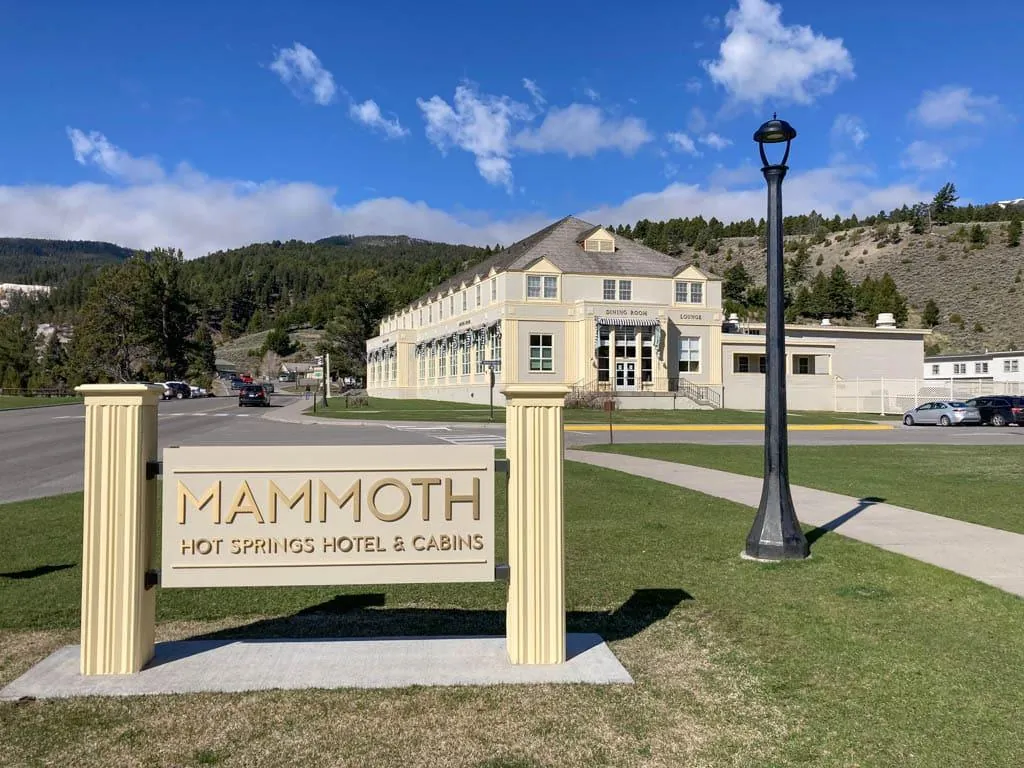
Mammoth Hot Springs Hotel & Cabins | Yellowstone National Park, Wyoming
Choosing the right accommodation can make exploring Yellowstone and Grand Teton National Parks more comfortable and efficient. Because both parks cover vast areas, staying near the attractions you plan to visit helps reduce driving time and makes early-morning wildlife viewing and sunrise photography easier.
Inside Yellowstone National Park, popular lodging areas include Old Faithful, Canyon Village, Mammoth Hot Springs, and Lake Village. Old Faithful is ideal for exploring geysers and geothermal features, while Canyon Village offers convenient access to the Grand Canyon of the Yellowstone. Lake Village provides a quieter setting with scenic lakeside views. Park lodging is seasonal, and summer reservations should be made well in advance.
Outside Yellowstone, West Yellowstone, Montana, offers a wide selection of hotels, restaurants, and shops near the West Entrance. Gardiner, Montana, near the North Entrance, is another practical base, particularly for visiting Mammoth Hot Springs and the park’s northern areas.
For Grand Teton, Jackson in Wyoming offers western nostalgia with plenty of restaurants, galleries, shops and a variety of lodging. The closer you get to the peaks, the more expensive lodging can be at peak times. The more adventurous will appreciate staying in the park at Jackson Lake Lodge, Jenny Lake Lodge or Colter Bay Village, which offer everything from simple lodges and cabins to more luxurious accommodations.
For a trip covering both parks, splitting your stay between the Yellowstone region and Jackson or Grand Teton is often the most practical approach. This reduces backtracking, improves access to major attractions, and leaves more time to enjoy the scenery, wildlife, and outdoor experiences that make each park distinctive.
The Seasonal Personality of Yellowstone and Grand Teton
The time of year you visit affects nearly every part of the experience, including road access, wildlife activity, hiking conditions, and available accommodation.
Late Spring: Wildlife and Fresh Landscapes
May and early June mark the transition from winter to summer. Snow begins melting at lower elevations, rivers run strongly with spring runoff, and wildlife becomes more active. Visitors may spot young animals and enjoy greener landscapes, although some trails remain snow-covered and certain roads or facilities may not yet be open. Cold mornings and unpredictable weather are still common.
Summer: The Best Time for General Sightseeing
Late June through August offers the broadest access to major attractions, hiking trails, and visitor facilities. Longer daylight hours make it easier to explore both parks, but popular spots such as Old Faithful, Grand Prismatic Spring, and Jenny Lake can become crowded. Booking accommodation early and starting sightseeing in the morning can help make the experience more enjoyable.
Autumn: Golden Foliage and Active Wildlife
September and early October bring cooler temperatures, beautiful fall colors, and opportunities to observe seasonal wildlife activity. Grand Teton’s golden aspens create particularly striking scenery, while Yellowstone’s elk mating season adds another memorable dimension to the landscape. However, early snowfall is possible, and some accommodations, campgrounds, and visitor facilities begin closing as the season progresses.
Winter: Snow-Covered Wilderness
Winter transforms both parks into quieter, snow-covered landscapes. Yellowstone’s steaming geysers and hot springs create dramatic contrasts against the snow, while Grand Teton offers opportunities for winter photography and snow-based recreation. Access is more limited, however, as most Yellowstone roads close to regular vehicles and certain areas of Grand Teton also experience seasonal closures. Visitors should plan carefully and check current access conditions before traveling.
For first-time visitors seeking the widest range of sightseeing opportunities, late June through September is generally the most practical period. Late spring and autumn can also be rewarding for travelers comfortable with changing weather and seasonal restrictions.
What a Combined Yellowstone and Grand Teton Vacation Might Cost
A trip to these parks can be planned at different budget levels, although accommodation and rental-car expenses can increase considerably during peak season.
The following estimates provide a general planning framework for two adults traveling together for six nights and seven days. They exclude airfare and are not live booking quotes.
| Expense | Estimated Cost for Two |
|---|---|
| Rental car | 850 |
| Accommodation | 2,100 |
| Food and drinks | 850 |
| Fuel | 220 |
| Park entrance fees | Varies by residency and pass eligibility |
| Optional activities | 500 |
| Estimated subtotal before park fees | 4,520 |
Accommodation is often the largest variable. Travelers who book early, choose moderately priced lodging, and prepare some meals can reduce costs. Those seeking upscale lodges, guided wildlife tours, or premium experiences should expect to spend more.
Understanding Park Entrance Fees
Yellowstone and Grand Teton are separate national parks, and each has its own entrance fee. If your itinerary includes both parks, factor these costs into your travel budget before departure.
For 2026, the America the Beautiful annual pass costs $80 for eligible U.S. citizens and residents and $250 for non-U.S. residents. The nonresident pass covers standard entrance fees and applicable nonresident surcharges at both parks, making it worth considering for travelers planning to visit multiple national parks.
Non-U.S. residents aged 16 and older who enter Yellowstone or Grand Teton without a qualifying annual pass must generally pay an additional $100 nonresident fee per person at each park, on top of the standard entrance fee. This can significantly increase the cost of visiting both destinations.
Before your trip, compare individual entrance fees with the cost of an annual pass, particularly if you plan to explore other national parks during the same journey. Check the latest requirements and pass options through the official National Park Service entrance pass information.
The Details That Can Change Your Entire Trip
Planning a trip to Yellowstone and Grand Teton involves more than choosing scenic viewpoints and popular attractions. A few practical considerations can make your experience safer, smoother, and more enjoyable.
- Check road conditions: Both parks experience seasonal closures, weather disruptions, and occasional construction delays. Review current conditions before setting out.
- Allow extra driving time: Distances can be deceptive because of winding roads, wildlife crossings, traffic, and frequent sightseeing stops.
- Prepare for limited mobile service: Download offline maps and save accommodation details before entering areas with unreliable connectivity.
- Pack for changing weather: Mountain mornings can be cold even in summer, and afternoon thunderstorms are possible. Bring layers and rain protection.
- Respect geothermal hazards: In Yellowstone, remain on designated boardwalks and trails around hot springs and other geothermal features. The ground can be fragile, and the water can cause severe or fatal burns.
- Keep a safe distance from wildlife: Never approach or feed animals. Follow park guidance and maintain the required distances, especially around bears and bison.
- Book accommodation early: Lodges inside the parks and hotels in nearby gateway towns can fill months in advance during busy travel periods.
- Understand entrance requirements: Both parks require valid entrance passes, but general entry does not typically require an advance vehicle reservation. Certain activities may have separate permits or booking requirements, so check the latest rules before your visit.
Above all, keep your itinerary flexible. Wildlife encounters, sudden weather changes, and temporary road closures can affect your plans. Allowing extra time helps you adapt without missing the experience of exploring these remarkable landscapes.
Which Park Deserves More of Your Time?
These two parks complement each other perfectly, but if you want to visit one or both of them, Yellowstone is the one to see if you are interested in geothermal features, waterfalls, wildlife and more diverse scenery. You could spend a whole week and still not see it all.
Meanwhile, the smaller of the two parks, Grand Teton, draws folks who enjoy mountain summits, alpine lakes, hiking, and quiet places for photography. Its compact acreage makes it simple to blend scenic vista points and outdoor recreation with less time in the car.
For visitors with sufficient time, touring both parks yields the greatest experience. Between them, they represent the incredible range of the Greater Yellowstone Ecosystem, from warm geothermal valleys to mountain ranges dotted with lakes to vast areas teaming with wildlife.
A Journey That Stays With You
They are special on their own, but when we combine these two parks we learn that the American West can be amazingly varied. In Yellowstone you walk into a world of steaming geysers, rainbow-hued hot springs, roaring waterfalls and wildlife among giant valleys, while in Grand Teton you encounter a more subtle visual show of jagged mountains towering over lakes, rivers, forest and backcountry.
The best experiences won’t always be the attractions you’ve seen on countless other trips: the fog rolling off a mountain lake in the early hours, the distant bugle of an elk, the slow walk of a bison herd across a broad valley. Great trips are a balance of serendipity and planning. Plan to give time for both parks, stay in accommodations to lessen the drive, and be flexible, especially when weather or wildlife impacts your plans.
Yellowstone and Grand Teton present one of the most spectacular journeys in a national park, revealing the majesty, spirit and wilderness of the American character.
Yellowstone and Grand Teton: Questions Worth Answering Before You Go
Can you visit Yellowstone and Grand Teton on the same trip?
Yes. The parks are neighboring destinations connected through the John D. Rockefeller, Jr. Memorial Parkway. They are commonly combined into one vacation, particularly during the warmer months when major roads are open.
How many days do you need for both parks?
Five to seven days is a good starting point for first-time visitors. Three or four days can provide a quick introduction, while a longer stay allows more time for hiking, wildlife watching, and exploring less crowded areas.
Which park should you visit first?
Either order works. Travelers arriving in Jackson often begin with Grand Teton before continuing north into Yellowstone. Those entering from Montana or Idaho may prefer to explore Yellowstone first.
Is Yellowstone better than Grand Teton?
Neither park is universally better. Yellowstone is especially appealing for geothermal features, wildlife, and geological diversity. Grand Teton stands out for mountain scenery, lakes, and hiking.
Can you see both parks without hiking?
Yes. Both parks have scenic roads, viewpoints, and accessible areas that allow visitors to appreciate much of the scenery without long hikes. Some attractions require short walks, and accessibility varies.
Is it possible to see bears and wolves?
Both parks provide habitat for bears, while Yellowstone is particularly well known for wolf watching. Sightings are never guaranteed. Guided wildlife tours may improve your chances of finding animals safely.
Do you need a four-wheel-drive vehicle?
A standard rental car is generally sufficient for the main paved roads during favorable weather conditions. Four-wheel drive is not normally necessary for a typical summer sightseeing trip.
What airport is best for visiting Yellowstone and Grand Teton?
Jackson Hole Airport is convenient for Grand Teton and the southern Yellowstone region. Other options include Bozeman Yellowstone International Airport, Yellowstone Airport near West Yellowstone, and Idaho Falls Regional Airport.
The best choice depends on flight availability, rental-car prices, and your planned route.