Utah is a place of such spectacular scenery it seems hard to believe it could be real. Flat sandstones forming walls over a winding river, arches of natural stone nestled against a sky filled with endless desert, deep canyons carved by millions of years of flowing water will introduce you to a landscape like no other in the Southwest.
The Parks of the Mighty 5 have a combined variety of scenery unmatched anywhere in the world. Zion offers massive canyon walls and adrenaline-pumping trails, Bryce includes quirky hoodoo formations and sweeping vistas, Capitol has the least-visited park atmosphere, Arches is packed with awe-inspiring natural arches and Canyonlands has enough sprawling, river-carved terrain to explore for weeks. The best part of a Utah Mighty 5 road trip is how much you can cram into each day. Up close, you’ll hike through thin slot canyons, watch a sun rise over a landscape of crimson-colored rocks, walk in a desert valley and spend the evening under starry night skies.
This 10-day itinerary combines the best attractions of the five national parks, giving you a perfect amount of time to be able to enjoy what each has to offer.
Five National Parks, Five Completely Different Experiences
Although Utah’s national parks share a landscape shaped by geological forces, each offers a different reason to visit.
| National Park | Signature Experience | Recommended Time | Ideal For |
|---|---|---|---|
| Zion | Towering cliffs, canyon hikes, and the Virgin River | 2 days | Adventure seekers and first-time visitors |
| Bryce Canyon | Colorful hoodoos and dramatic amphitheaters | 1 day | Photography and scenic walks |
| Capitol Reef | Desert landscapes, historic orchards, and sandstone formations | 1 day | Quiet exploration and scenic driving |
| Arches | Natural stone arches and iconic desert scenery | 2 days | Hiking, photography, and sightseeing |
| Canyonlands | Expansive canyons, mesas, and panoramic viewpoints | 1 day | Landscape photography and wilderness scenery |
A 10 day itinerary includes five days at the parks, some travel time, and a few relaxing moments. That can be done in 7 days, but it involves a bit more rushing. If you plan to do longer hikes, visit more remote areas, or photograph even more, 12-14 days might work better.
The Journey: 10 Days Through Utah’s Mighty 5
This itinerary begins in Las Vegas, Nevada, and ends in Salt Lake City, Utah. The direction creates a practical one-way journey through southern and eastern Utah, although travelers can reverse it or arrange a round trip.
Day 1: Las Vegas to Zion — Entering Utah’s Red-Rock Country
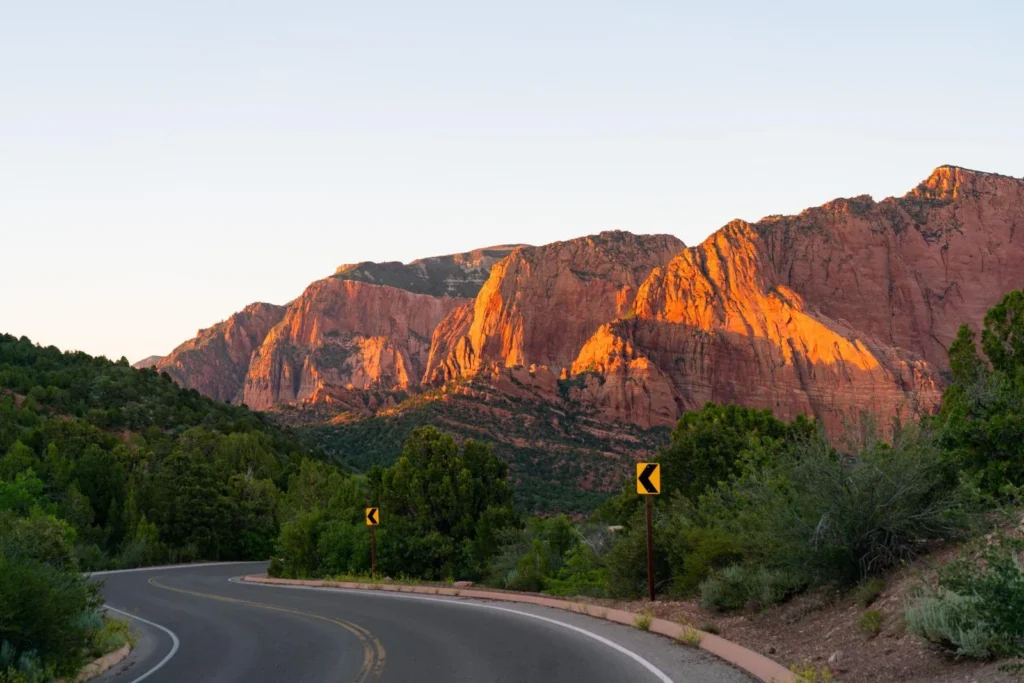
Entering Utah’s Red-Rock Country
Start your journey as you head from Las Vegas to southwestern Utah. As you leave the city in your rearview mirror, you are greeted with sweeping desert scenery and looming mountains and huge sandstone towers. Today’s scenery en route to Zion National Park will be the theme for the rest of the trip. Expect about 3 hours of driving to Springdale, although that can fluctuate depending on where you start from, your stops and potential traffic. Also keep in mind that Utah is generally one hour ahead of Las Vegas.
Springdale is the jumping off point to Zion National Park and a great place to stay before heading into the park. Spend the afternoon relaxing after your drive, perhaps popping into town to explore the shopping, enjoying dinner at one of the local restaurants, or stopping off at the Zion Visitor’s Centre inside the park.
If you’re visiting Zion for the first time, start with the close-in trail that’s most gentle, Pa’rus Trail. It’s a paved trail that follows the Virgin River along the bottom of the deep canyon walls and offers stunning vistas.
Day 2: Zion National Park — Where the Canyon Walls Rise Above You
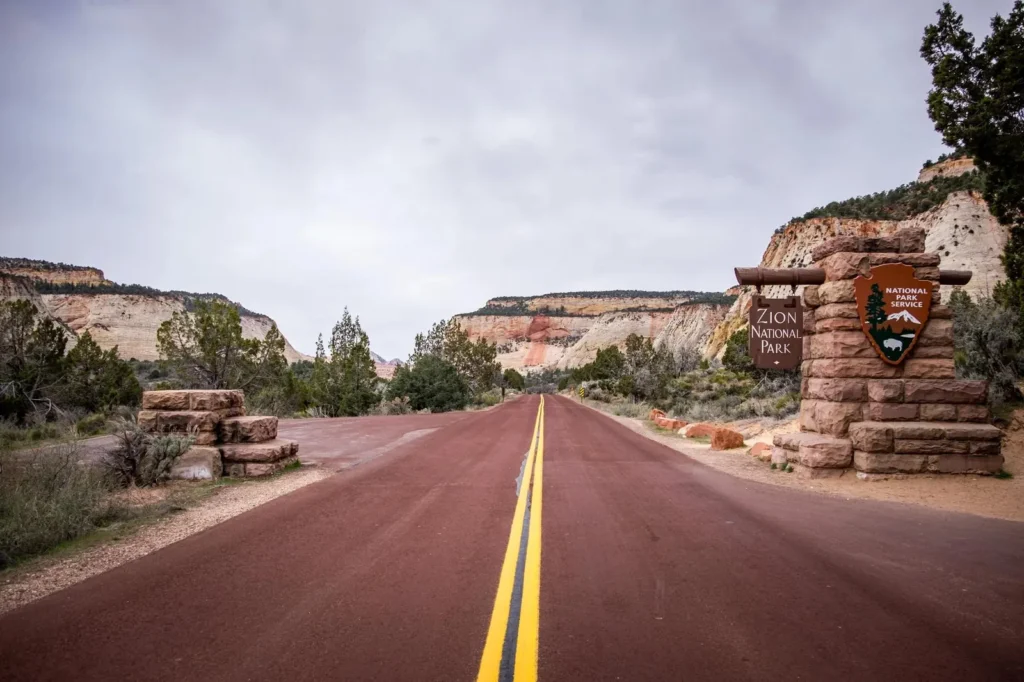
Zion National Park, Utah
Zion National Park is an excellent starting point for Utah’s Mighty 5 road trip, famous for its towering sandstone cliffs, dramatic canyon scenery, and the Virgin River. Unlike parks best viewed from high overlooks, Zion allows visitors to experience its landscape from the canyon floor through scenic walks and memorable hikes. Early mornings offer cooler temperatures, softer light, and fewer crowds.
The Riverside Walk provides an easy, paved path along the river, leading toward the spectacular Narrows, where towering canyon walls surround sections of the waterway. Adventurous hikers can explore the West Rim Trail to Scout Lookout or attempt Angels Landing, which requires a permit for its exposed chains section. Visitors should check weather conditions and flash-flood warnings before entering the Narrows.
For a more relaxed experience, scenic viewpoints such as the Court of the Patriarchs offer impressive views with minimal walking. During shuttle season, visitors must use the park’s shuttle system to access major areas along Zion Canyon Scenic Drive. Zion’s combination of natural beauty, accessible viewpoints, and thrilling adventures makes it an unforgettable introduction to Utah’s national parks.
Day 3: Zion to Bryce Canyon — A Landscape Transformed
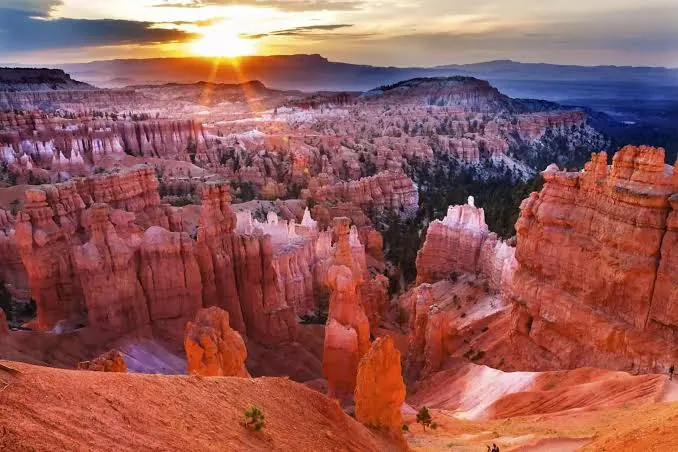
Bryce Canyon, Utah
Bryce is a drastic difference from Zion with its high altitude forests, 50 giant natural amphitheaters and thousands of odd shaped rock spires known as hoodoos. Bryce’ s giant rocky towers, though much younger than the Zion’s arches and rock formations, have been deeply carved by water and wind erosion over thousands of years and make for an amazing landscape in the southwest. As you drive from Zion, the scenery turns cooler from a change in elevation and then the awe inspiring view across this wild terrain keeps changing as you drive. The best known feature of Bryce is the Bryce Amphitheater. Bryce is filled with scenic views of the huge concentration of hoodoos at Sunset Point, the shape and height of the hoodoos at Inspiration Point, and it spreads out across the entire amphitheater at Bryce Point.
For a closer-up view of the hoodoos, hike the Queen’s Garden and Navajo Loop mix, which is a about a 2.9 mile traversed trail (just over a mile out and back) and drops you down into the surrounding amphitheater amongst the spires of the hoodoos, but this can be a little more challenging in winter when the trail is closed at times. It’s amazing to gaze at the night sky here during the hours when it gets good for star viewing and ranger led astronomy programs are offered during these times.
Day 4: Bryce Canyon to Capitol Reef — Utah’s Scenic Highway 12
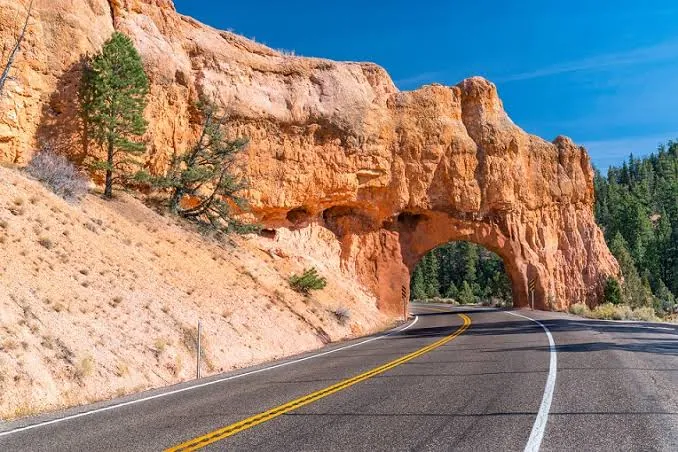
Scenic Byway 12 | Utah
The single most memorable leg of your Mighty 5 road trip will be what follows after seeing the national parks. Scenic Byway 12 between the Bryce Canyon country and the Capitol Reef country Scenic Byway 12 meanders through a wide expanse of terrain – from forested areas to rocky terrain to mountain country to vast desert vistas. Today, the scenery is practically your destination.
Just beyond the Grand Staircase-Escalante National Monument, you’ll be traveling through a vast wilderness of sandstone, grassland and wilderness where the scenery seems too perfect and preternatural. Take a break in the town of Escalante to grab a meal and take a short side trip if time allows. Further down the road, you’ll drive across the mountain’s crest before plummeting down into the striking setting near Capitol Reef National Park.
Allow several hours of travel with longer stops and lunch, then explore while you can. Arrive at the park’s entrance around sunset or shortly thereafter.
Day 5: Capitol Reef — Utah’s Underrated Desert Landscape
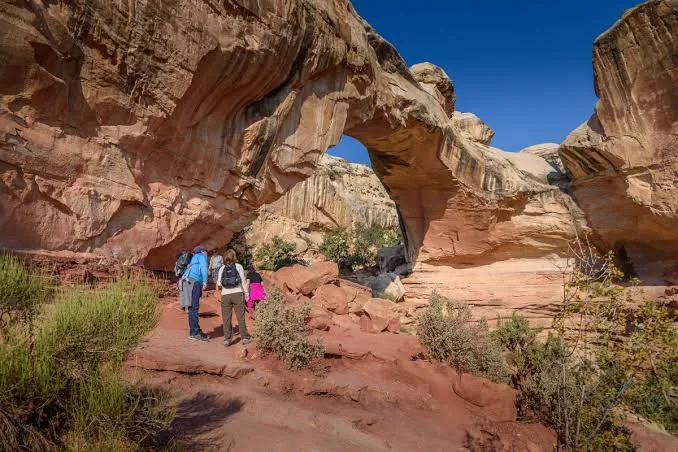
Hickman Bridge, Capitol Reef National Park | Utah
Capitol Reef National Park offers a peaceful alternative to Utah’s busier national parks, featuring colorful cliffs, sandstone domes, narrow canyons, and the striking Waterpocket Fold. The historic Fruita district adds charm with its orchards, pioneer history, seasonal fruit picking, and the Gifford House’s local baked goods.
Visitors can explore scenic drives, hike to Hickman Bridge, or enjoy accessible viewpoints overlooking the park’s dramatic rock formations. Its quiet atmosphere and remarkable geology make it ideal for travelers seeking a slower-paced desert adventure.
Day 6: Capitol Reef to Moab — Into the Heart of Red-Rock Utah
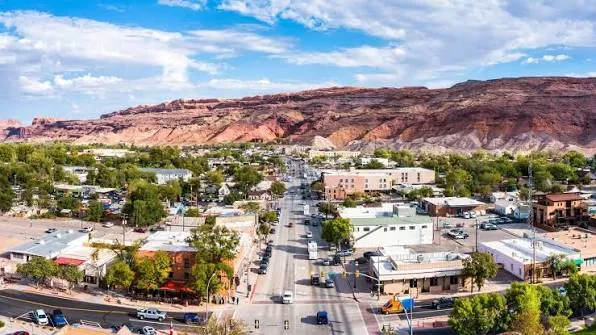
Moab, Utah
The journey toward Moab introduces another spectacular section of Utah’s desert landscape. Depending on your chosen route, the drive takes you through wide-open desert country, small communities, and landscapes filled with colorful sandstone formations. Moab is the gateway to both Arches and Canyonlands National Parks, making it one of the most useful bases on the entire Mighty 5 itinerary.
After several days of moving between destinations, consider keeping this day relatively relaxed. Arrive in Moab, check into your accommodation, and enjoy some time exploring the town. Moab has developed a reputation as an outdoor adventure destination, with opportunities for mountain biking, rafting, off-road excursions, and guided desert experiences.
Travelers who want something more active can arrange a Colorado River excursion or explore nearby scenic areas. Alternatively, spend the afternoon resting before the next two days of national park exploration. A relaxed evening is especially valuable if you plan to wake up early for photography or hiking.
Day 7: Arches National Park — Nature’s Extraordinary Stone Sculptures
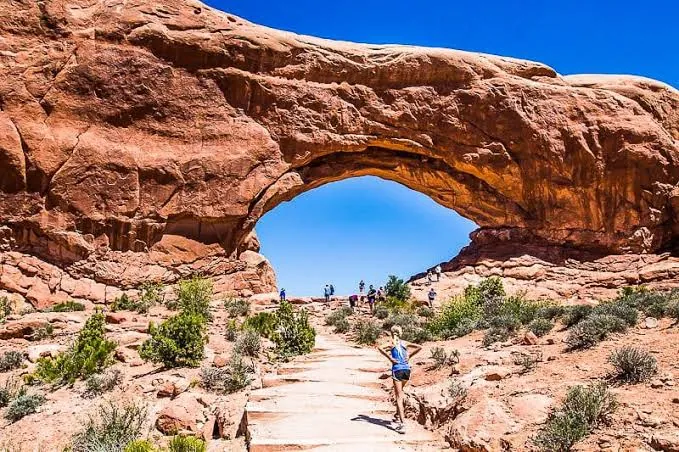
Arches National Park | Utah
Lands of natural wonder Arches National Park is a must-see destination in Utah, celebrated for its more than 2,000 documented natural stone arches, sandstone fins, balanced rocks and varied desert scenery. Its most iconic feature, Delicate Arch, is an awe-inspiring example of natural erosion and Utah’s state symbol, and can be reached by a scenic but moderately demanding round-trip hike that is 3 miles long over exposed slickrock, ideal for an early start in the warmer months.
Other highlights include the Windows Section, where North Window, South Window and Turret Arch (and their collection of other formations) can be appreciated along a short hike, and Double Arch, where two huge sandstone arcs meet to share the same base, while Balanced Rock takes a phenomenal size rocky body to sit atop a slender pedestal of stone. The park’s iconic Scenic Road connects Delicate and Double Arches, offering several viewpoints and stops along the way to take in the various desert scenery.
In 2026, Arches does not require advance timed-entry reservations for general park entry. However, entrance congestion and limited parking remain possible, and certain activities still require reservations or permits.
Day 8: Canyonlands National Park — The Grand Finale of Utah’s Canyon Country
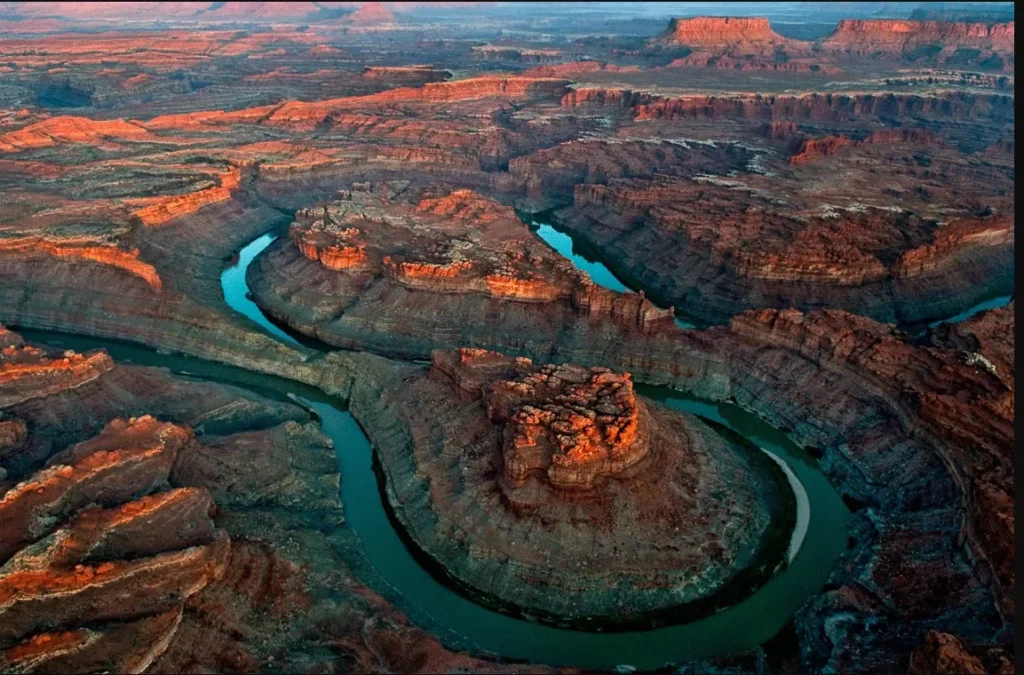
Canyonlands National Park, Utah
Canyonlands National Park represents Utah’s broad desert country, with vast canyons, towering mesas, craggy cliffs and sculpted landscapes formed by the Colorado and Green Rivers over millions of years. Unlike nearby Arches National Park, which is characterized by its dramatic collection of sandstone arches, the landscape of the park itself is what truly enthralls visitors with its vast vistas and seemingly endless scenery stretching across the rugged country of the canyons.
First-time visitors may want to start their visit in the Island in the Sky district for views and views and viewpoints that are within a short drive of Moab. One of the most well known features of the park is the Mesa Arch, a beautifully formed natural arch that is situated atop a ledge of cliff (a short jaunt to get there makes it an easier destination). As can be expected, sunrise is a photographer’s delight with the opening of the arch to the light while the Grand View Point overlooks layered canyons and distant rock formations and the Green River Overlook offers stunning views of the winding river below.
The area offers hiking trails from easy strolls to backcountry challenges with more remote areas of the park accessed by other districts and requiring advanced planning. Attempting to explore all the districts in one day is unrealistic.
Days 9–10: A Slower Finish and the Journey Home
The last leg of your trip completes the list of all five parks and can be used for soaking up the best of your experience or to have a more relaxed day. Moab is a great destination to allow for more time and explore in depth. Those who love outdoor sports can opt for a guided rafting trip on the Colorado River, mountain biking, or visiting state parks near Moab.
For a more leisurely morning, head to Dead Horse Point State Park for views of wide-ranging canyon scenery and spectacular lookouts or indulge in the city’s restaurants and shops and enjoy the scenery for the remaining time. Drive to SLC on the final day, which is about 4 hours from Moab in normal conditions, and be sure to leave enough time for the airport, particularly if you’re returning your rental car. For those with extra days, spend another night in SLC before heading back home.
The Mighty 5 road trip concludes with five national parks seen, but these five parks are much more than the sum of the number of destinations.
Where the Journey Becomes Extraordinary
The five national parks are the main attractions, but several experiences between them can make the road trip even more memorable.
Scenic Byway 12: A Drive Worth Taking Slowly
Scenic Byway 12 is among the most beautiful roads in Utah. Its changing landscapes make it particularly rewarding for travelers who enjoy scenic driving. Forested highlands, open desert, and colorful sandstone formations create a journey that feels constantly different.
Allow time to appreciate the surroundings rather than treating the highway simply as a connection between national parks.
Moab After Dark
Moab provides one of the best vistas to enjoy the desert life after dark: With no major city in sight in nearby protected areas, the night sky provides an incredible show of stars, if the conditions are right. Arches and Canyonlands has some of the darkest skies around, and stargazing and night photography make great stops on your list.
Find a safe, legal place to look and photograph the night sky, and carry a flashlight with a red filter on it to avoid interfering with the views. Wear layers at night for the cooler air.
The Quiet Appeal of Small-Town Utah
Towns such as Springdale, Torrey, Escalante, and Moab add character to the road trip. They provide opportunities to enjoy local restaurants, browse shops, and experience communities surrounded by some of the most dramatic landscapes in the country. Taking time to enjoy these places helps create a more balanced journey between long drives and national park adventures.
How Many Days Do You Really Need?
The ideal length of a Utah Mighty 5 road trip depends on your interests and travel pace.
| Trip Length | Experience |
|---|---|
| 5 days | Very rushed; limited time in each park |
| 7 days | Possible for travelers focused on major highlights |
| 10 days | A balanced introduction to all five national parks |
| 12 days | More time for hiking, photography, and relaxation |
| 14 days | Ideal for travelers who want deeper exploration and additional destinations |
Ten days is an excellent starting point for first-time visitors.
It provides enough time to experience each park’s defining landscapes without requiring constant movement. However, serious hikers may want additional days in Zion, Arches, or Canyonlands.
Travelers who prefer photography and scenic driving may also benefit from extra time, particularly around sunrise and sunset.
The Best Time for a Utah Mighty 5 Road Trip
Utah’s desert landscapes are beautiful throughout the year, but weather conditions vary considerably between parks and elevations.
Spring: Comfortable Conditions and Beautiful Scenery
The busy season from March to May is a good time to visit southern Utah. Warm daytime weather can make for more pleasant hikes than you might find in summer, and the terrain can be quite striking once winter is over. But spring can also be cold and unreliable weather-wise. Some higher places, like Bryce Canyon, still have snow and freezing temperatures.
Summer: Long Days and Intense Desert Heat
The 3 months of June to August have the most daylight, making it perfect for sightseeing, but also can mean the hottest weather at lower-elevation parks, especially in exposed desert environments. Hiking in the heat of the day can be dangerous. Summer also produces monsoonal thunderstorms in parts of the Southwest which can trigger flash floods in canyon environments.
Fall: One of the Best Seasons for a Road Trip
September through October is particularly appealing for a Mighty 5 adventure. Temperatures often become more comfortable, making hiking and sightseeing enjoyable. Autumn also brings beautiful colors to some higher-elevation landscapes, creating an interesting contrast with the red sandstone formations. The season remains popular, so accommodation reservations should be made well in advance.
Winter: Quiet Parks and Dramatic Contrasts
Winter offers a different perspective on Utah’s national parks. Snow can transform the hoodoos of Bryce Canyon and the sandstone formations of other parks into extraordinary landscapes.
However, icy trails, freezing temperatures, shorter daylight hours, and occasional road closures require careful planning. Winter is best suited to flexible travelers who are comfortable adjusting activities according to weather conditions.
For most first-time visitors, April–May and September–October offer an appealing balance of scenery and outdoor conditions.
What Does a Utah Mighty 5 Road Trip Cost?
A road trip through five national parks can accommodate different budgets, but the total cost depends on travel dates, accommodation preferences, vehicle choice, and activities.
The following estimates are illustrative planning ranges for two adults sharing a rental vehicle and accommodation over 10 days. They exclude flights and assume no unusually expensive guided activities.
| Expense | Estimated Cost for Two ($) |
|---|---|
| Rental car | 900 |
| Accommodation | 2,200 |
| Food and drinks | 1,000 |
| Fuel | 250 |
| Park admission | Varies by residency and pass eligibility |
| Optional activities | 500 |
| Estimated subtotal before park fees | 2,250 – 4,950 |
Actual costs can fall outside these ranges, particularly during peak travel periods or when booking premium accommodation.
Understanding National Park Entrance Fees
Park admission deserves special attention when budgeting. For 2026, the America the Beautiful annual pass costs $80 for eligible U.S. citizens and residents and $250 for non-U.S. residents.
In addition, non-U.S. residents aged 16 and older who do not have a qualifying pass are subject to an additional $100 nonresident fee at certain parks, including Zion and Bryce Canyon. The fee is separate from standard entrance fees.
A qualifying annual pass can cover these nonresident fees according to National Park Service rules. Check the current pass conditions and whether purchasing one would be more economical for your group.
Ways to Keep the Trip Affordable
Travelers can reduce expenses by booking accommodation early, choosing midrange hotels outside the busiest park gateways, and limiting expensive guided excursions. Packing snacks and preparing occasional meals can also help manage food costs.
If your travel dates are flexible, compare accommodation prices across different weeks. Rates can vary substantially between peak periods and quieter seasons.
Where to Stay Along the Mighty 5
Choosing the right overnight bases can make the trip significantly more comfortable.
Springdale: The most convenient town for exploring Zion’s main canyon. It offers restaurants, shops, and accommodation close to the park entrance.
Bryce Canyon City: A practical choice for travelers who want convenient access to Bryce Canyon’s viewpoints and hiking trails.
Tropic: A quieter alternative near Bryce Canyon, with lodging options and a small-town atmosphere.
Torrey: An excellent base for Capitol Reef, particularly for travelers who enjoy peaceful surroundings and scenic landscapes.
Moab: The main hub for Arches and the Island in the Sky district of Canyonlands, with the widest variety of accommodation and outdoor activities among these eastern Utah bases.
Booking accommodation in these locations helps reduce unnecessary driving and creates more time for exploring the parks.
What to Know Before You Go
A successful Utah Mighty 5 road trip requires more preparation than a typical city vacation.
Park Reservations and Permits
Not every national park operates under the same access rules. At Zion, shuttle service operates seasonally, and private vehicles are restricted from the main canyon road when the shuttle system is running. Shuttle rides do not require separate reservations.
The Angels Landing chains section requires a permit, which is awarded through a lottery system. At Arches, advance timed-entry reservations are not required for general entry in 2026, although reservations or permits are still required for certain activities.
Always verify current policies before traveling because park access rules can change.
Driving Through Remote Desert Areas
Some stretches of southern Utah have limited fuel stations, restaurants, and mobile phone coverage. Fill your tank before entering remote areas, download offline maps, and carry drinking water. Avoid relying exclusively on mobile navigation, especially when exploring less-developed roads.
Hiking Safely in Desert Conditions
Desert hiking requires preparation even on relatively short trails. Carry sufficient water, wear sun protection, and choose footwear suitable for rocky terrain.
Check the weather forecast before entering narrow canyons. Flash floods can occur even when rain is falling far from your location. During summer, schedule strenuous hikes for cooler periods and avoid unnecessary exposure during extreme heat.
Respecting the Landscape
Utah’s desert environments are beautiful but fragile. Stay on established trails, avoid damaging vegetation, and do not disturb biological soil crusts, which play an important role in desert ecosystems.
Leave natural formations undisturbed and follow park regulations regarding wildlife, drones, camping, and off-road travel. Responsible travel helps protect these landscapes for future visitors.
Which Mighty 5 Park Will Be Your Favorite?
Every traveler leaves Utah with a different favorite. For some, Zion’s towering cliffs and adventurous trails create the most memorable experience.
Others fall in love with Bryce Canyon’s colorful hoodoos or the quiet landscapes of Capitol Reef. Arches offers some of the Southwest’s most recognizable natural landmarks, while Canyonlands delivers a sense of wilderness and scale that is difficult to appreciate until you see it in person.
Rather than choosing one park over the others, the real appeal of the Mighty 5 is experiencing how dramatically the scenery changes across Utah. Each park contributes something different to the journey.
Final Thoughts: Five Parks, One Extraordinary Journey
The Utah Mighty 5 road trip isn’t just about seeing the national parks. It’s about witnessing the amazing geology of the American Southwest through these varied landscapes. You can explore the grandeur of Zion’s craggy cliffs, admire the dramatic hoodoos of Bryce Canyon, experience the stark but beautiful desert landscape of Capitol Reef, marvel at the natural bridges near Moab, or stand in awe at the enormous canyonlands of Canyonlands.
Ten days is a satisfying taste of these two worlds while still allowing for some beautiful drives, special hikes and peaceful stops along the way. The most satisfying way to spend a tour: one single highlight with an amble. With a little planning, an open mind, and a willingness to venture off the beaten path at some of the busiest viewpoints, Utah’s Mighty 5 can be one of the most epic road trips in the country.
Frequently Asked Questions
Can you visit all five Utah national parks in one trip?
Yes. Zion, Bryce Canyon, Capitol Reef, Arches, and Canyonlands can be combined into one road trip. Seven to ten days is a practical timeframe for visiting the major highlights, while longer trips allow more time for hiking and exploration.
What is the best order to visit Utah’s Mighty 5?
A practical west-to-east order is Zion, Bryce Canyon, Capitol Reef, Arches, and Canyonlands. This works particularly well for travelers beginning in Las Vegas and finishing in Salt Lake City.
The reverse direction is equally possible.
Is 7 days enough for Utah’s Mighty 5?
Seven days is enough for a fast-paced trip focused on scenic viewpoints and shorter activities. However, a 10-day itinerary provides a more comfortable experience and allows additional time for hiking and travel between parks.
Do you need a rental car for the Mighty 5?
A rental car is the most practical option for most independent travelers because the national parks are spread across southern and eastern Utah.
Organized tours are an alternative, but they may offer less flexibility.
Which Utah national park is best for first-time visitors?
Zion and Arches are particularly popular among first-time visitors because of their iconic scenery and memorable hiking opportunities. However, Bryce Canyon, Capitol Reef, and Canyonlands each offer distinctive experiences that make them worthwhile additions to the journey.
Can you visit the Mighty 5 without hiking?
Yes. All five parks offer scenic viewpoints and driving opportunities that allow visitors to appreciate the landscapes without undertaking long hikes.
Some attractions require short walks, and accessibility varies between locations.
What airport should you use for a Utah Mighty 5 road trip?
Las Vegas Harry Reid International Airport and Salt Lake City International Airport are common starting or ending points.
Travelers may also consider regional airports depending on their itinerary and flight availability.
Compare airfare, rental-car prices, and one-way drop-off fees before choosing your airports.