You can’t help but get a sense of New York City before you even begin to make your way around. Yellow taxis dart down the bustling city streets; towering office blocks cast their shadows over the streets below; and iconic locations from the movies are just around the corner of every block. Of course, first-time visitors have one dilemma – what parts of this city should they make a priority of seeing?
There is, of course, the Times Square / Broadway / Empire State Building version, the Greenwich Village / Lower Manhattan neighborhoods / Brooklyn waterfront parks version, the museums / restaurants / markets / small discoveries to make NYC a city unlike any other version. Even five days in New York can include most of these sides of the city without first having to scramble through it all the entire time as this is a city to make memories in, not a city to rush through.
This is a guide for experiences that highlight the city’s top sights, coolest neighborhoods, best food, and unique street vibe. It starts in Midtown Manhattan, continues through the centre of the historic waterfront districts, and ends in the neighbourhoods of the city that actually make you want to visit again and again.
Your Five Days in New York, at a Glance
| Day | The Experience | Main Highlights |
|---|---|---|
| Day 1 | The New York You’ve Seen in Movies | Times Square, Rockefeller Center, Fifth Avenue, Grand Central |
| Day 2 | History, Harbor Views, and Downtown Manhattan | Statue of Liberty, Ellis Island, Wall Street, 9/11 Memorial |
| Day 3 | A Greener, More Artistic New York | Central Park, The Met, Upper West Side |
| Day 4 | Brooklyn’s Waterfront and Neighborhood Charm | Brooklyn Bridge, DUMBO, Brooklyn Heights, Williamsburg |
| Day 5 | The Neighborhoods That Give New York Its Personality | Greenwich Village, SoHo, Chelsea Market, High Line |
The itinerary is organized geographically to reduce unnecessary travel between distant attractions. Days can be rearranged around museum opening schedules, weather, and reservations.
Day One: Meet the New York You’ve Always Imagined
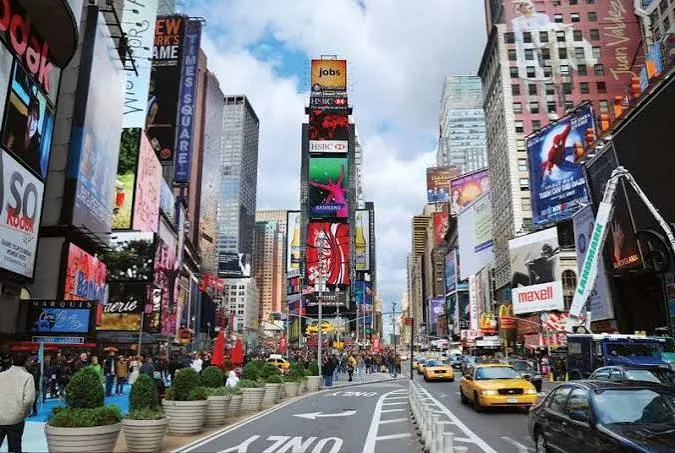
New York Times Square
Few places capture New York City’s larger-than-life personality quite like Midtown Manhattan, where illuminated billboards, towering skyscrapers, historic architecture, and Broadway theaters create an atmosphere that feels unmistakably New York. Times Square is a natural starting point, especially after dark, when its enormous digital screens transform the surrounding streets into a dazzling spectacle. Nearby, Rockefeller Center combines striking Art Deco architecture with seasonal attractions, while Top of the Rock offers sweeping views of the Empire State Building, Central Park, and Manhattan’s famous skyline.
Along Fifth Avenue, visitors can browse luxury boutiques, explore flagship stores, and admire landmarks such as St. Patrick’s Cathedral. Grand Central Terminal is another essential stop, renowned for its magnificent Main Concourse, celestial ceiling, and iconic four-faced clock. For a quieter break, Bryant Park offers a peaceful green space beside the impressive New York Public Library’s Stephen A. Schwarzman Building.
As evening arrives, Midtown’s entertainment scene takes center stage. Catching a Broadway show offers a memorable introduction to New York’s theatrical culture, while visiting an observation deck after sunset reveals the city glowing beneath the night sky. With its iconic attractions, architectural treasures, shopping, and entertainment, Midtown Manhattan delivers an unforgettable introduction to the energy and character of New York City.
Day Two: The Harbor, the History, and the City That Built America
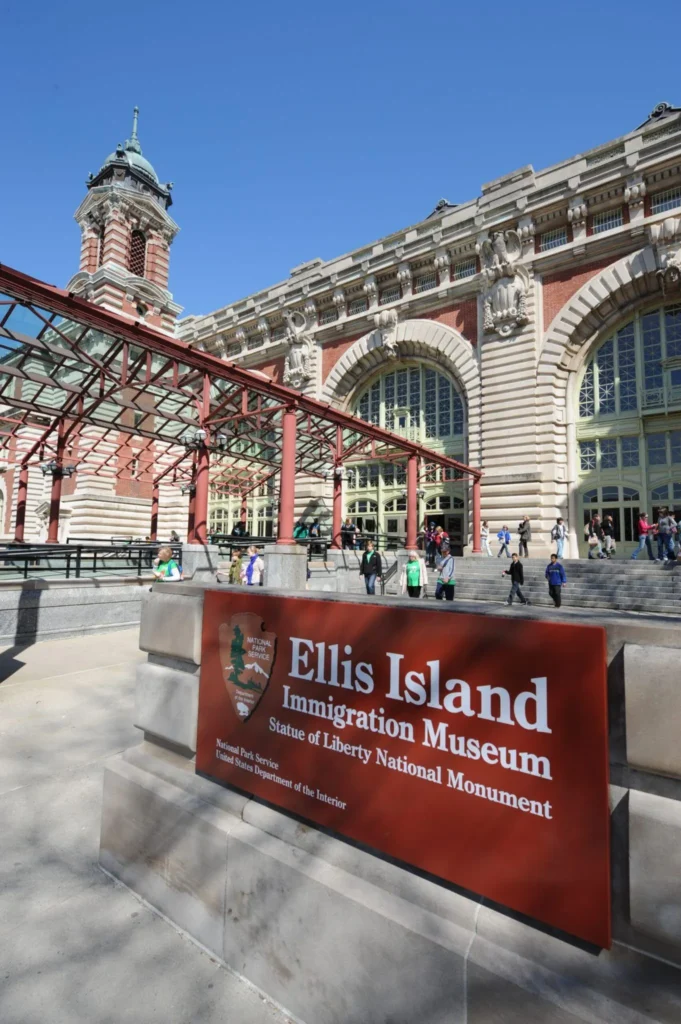
The Ellis Island National Museum of Immigration, New York
New York City’s story begins at the water’s edge, and Lower Manhattan offers a fascinating introduction to its history and global influence. From the Statue of Liberty and Ellis Island to Wall Street and the World Trade Center site, this area combines historic landmarks, waterfront scenery, and powerful reminders of the city’s past.
Start at The Battery, where ferries depart for Liberty Island and Ellis Island. The Statue of Liberty stands as a symbol of freedom and opportunity, with spectacular views of New York Harbor along the way. On Ellis Island, the National Museum of Immigration shares the stories of millions of immigrants who helped shape America’s cultural identity. Advance reservations are required for access to the Statue of Liberty’s pedestal and crown.
Back in Manhattan, explore the Financial District, where Wall Street represents New York’s financial power. Nearby, Federal Hall commemorates George Washington’s first presidential inauguration, while the Charging Bull sculpture remains a popular landmark. The area’s historic streets and towering modern buildings reflect the city’s evolution into an international business center.
A visit to the 9/11 Memorial offers a more reflective experience. Its two enormous reflecting pools mark the footprints of the former Twin Towers, with victims’ names inscribed around their edges. The nearby museum documents the events of September 11, 2001, through personal accounts, historical artifacts, and exhibitions. Just steps away, the striking architecture of the Oculus transportation hub provides another notable stop.
Finish at One World Observatory for panoramic views of Manhattan, Brooklyn, and New York Harbor. Afterwards, enjoy dinner in the Financial District or nearby Tribeca. With its blend of American history, cultural heritage, waterfront views, and meaningful memorials, Lower Manhattan reveals a side of New York that extends far beyond its famous skyline.
Day Three: Central Park, Great Museums, and the City’s Quieter Side
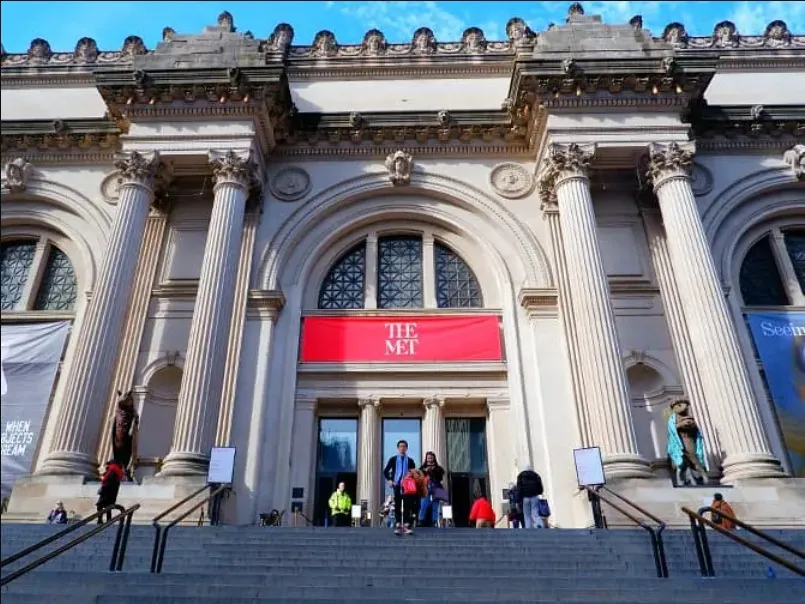
The Metropolitan Museum of Art (The Met), New York
Beyond Manhattan’s busy streets, Central Park offers a welcome retreat where scenic walking paths, peaceful lakes, open lawns, and elegant bridges reveal a calmer side of New York City. Begin with Bethesda Terrace and Fountain, admire the picturesque views from Bow Bridge, and stroll along the tree-lined Mall. Whether enjoying a leisurely walk, taking photographs, or relaxing beneath the trees, the park provides a refreshing break from the city’s fast-paced atmosphere.
Art and culture are equally central to this part of Manhattan. The Metropolitan Museum of Art (The Met) features an extraordinary collection spanning thousands of years, including ancient Egyptian treasures, European masterpieces, sculptures, and the impressive Temple of Dendur. Alternatively, the American Museum of Natural History offers fascinating dinosaur fossils, scientific exhibits, and immersive displays that appeal to visitors of all ages.
Later in the day, explore the Upper West Side, a charming neighborhood known for historic brownstones, independent bookstores, local cafés, and tree-lined streets. Its relaxed atmosphere offers a glimpse into everyday New York life beyond the major tourist attractions. For an evening cultural experience, visit Lincoln Center, a renowned performing arts destination hosting music, ballet, and opera performances, depending on the schedule.
Together, Central Park and the Upper West Side provide a rewarding combination of natural beauty, world-class museums, neighborhood charm, and cultural experiences, making them an essential part of a well-rounded New York City visit.
Day Four: Cross the Bridge and Discover Brooklyn
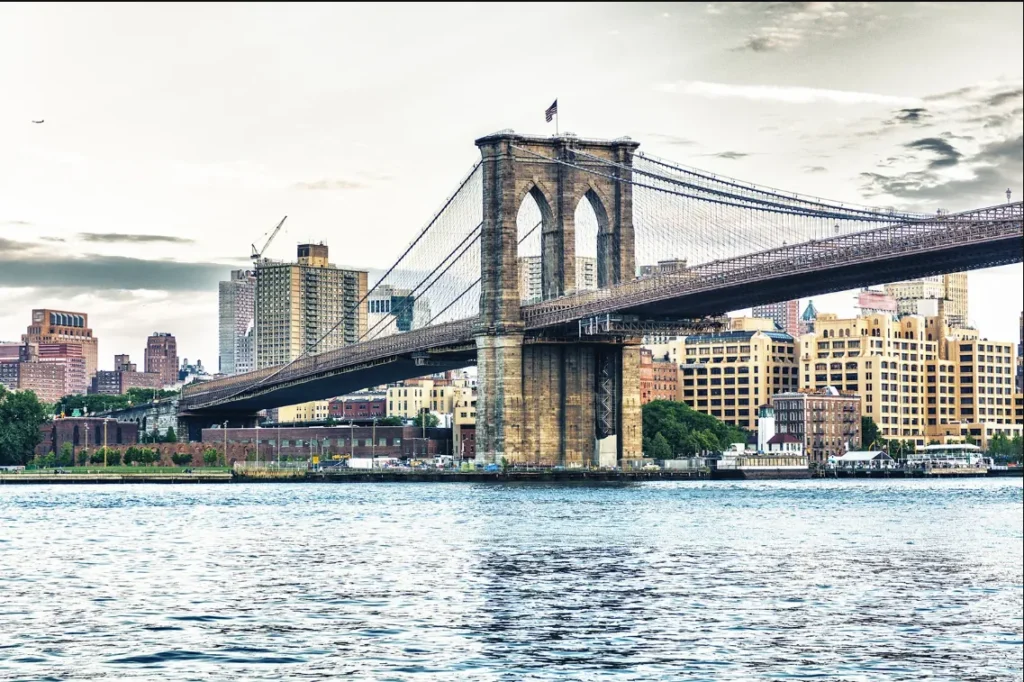
Brooklyn Bridge, New York
Brooklyn offers a different perspective on New York City, where historic architecture, creative neighborhoods, waterfront parks, and spectacular views of Manhattan create a memorable sightseeing experience. From iconic landmarks to charming residential streets, the borough combines city exploration with a more relaxed atmosphere, making it an excellent addition to any first-time visit.
Begin with a walk across the Brooklyn Bridge, a historic landmark completed in 1883 that connects Brooklyn and Manhattan. Its stone arches and suspension cables frame impressive views of the East River and the surrounding skyline. Once in Brooklyn, explore DUMBO, a popular waterfront neighborhood known for cobblestone streets, converted industrial buildings, trendy cafés, and the famous view of the Manhattan Bridge from Washington Street. Nearby, Brooklyn Bridge Park offers scenic promenades, landscaped green spaces, panoramic waterfront views, and Jane’s Carousel, a restored attraction housed in a glass pavilion.
Continue to Brooklyn Heights, where elegant brownstones and tree-lined streets create a charming historic atmosphere. The Brooklyn Heights Promenade is a highlight, offering sweeping views of Lower Manhattan, the Brooklyn Bridge, and the East River. It is an ideal place for a leisurely stroll, photography, or simply enjoying the scenery away from the city’s busiest streets.
For a livelier atmosphere, visit Williamsburg, known for its independent boutiques, stylish cafés, diverse restaurants, and vibrant nightlife. Visitors can sample local specialties, explore creative shops, or enjoy sunset views along the waterfront. Alternatively, DUMBO and Brooklyn Heights offer a quieter evening setting with beautiful views of Manhattan’s illuminated skyline.
With its combination of historic landmarks, distinctive neighborhoods, waterfront scenery, and diverse dining options, Brooklyn provides a rewarding experience beyond Manhattan’s famous attractions.
Day Five: The Neighborhoods That Make New York Feel Personal
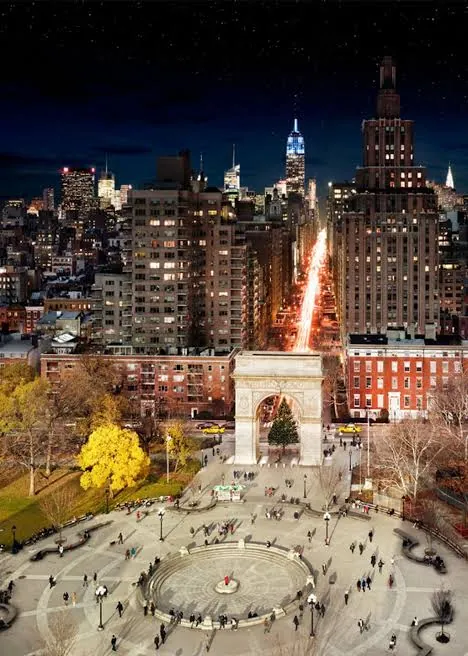
Washington Square Park, New York
New York City’s final day is best spent discovering the neighborhoods that reveal its creative spirit, historic character, and everyday charm. From Greenwich Village’s artistic heritage to SoHo’s fashionable streets, Chelsea’s diverse food scene, and the elevated gardens of the High Line, these areas offer a relaxed but memorable conclusion to a five-day visit.
Begin in Greenwich Village, known for its historic architecture, independent cafés, and lively cultural atmosphere. Washington Square Park, with its iconic arch and street performers, is a natural starting point for exploring the neighborhood’s tree-lined streets, bookstores, and music venues. Continue to SoHo, where distinctive cast-iron buildings, cobblestone streets, art galleries, and stylish boutiques create an appealing setting for shopping, photography, and leisurely exploration.
For lunch, head to Chelsea Market, a bustling food destination housed in a former industrial building. Its vendors offer an impressive selection of dishes, from tacos and fresh seafood to sandwiches, pastries, and international specialties. Afterward, take a walk along the High Line, an elevated public park built on a former railway. Its landscaped pathways, public art, contemporary architecture, and Hudson River views provide a unique way to experience Manhattan’s West Side. The walkway leads toward Hudson Yards, a modern district known for its striking buildings, shopping, and observation experiences.
As the day winds down, mark the conclusion of your five-day visit with a special evening meal, skyline views at sunset, or perhaps a night of entertainment at a comedy or jazz club or theatrical performance. Head back to the cozy cafés and local neighborhoods of Greenwich Village as the day winds down. By discovering the city through historic streets, artistic venues, delicious dining options, and modern architecture, this last day of the trip showcases the city from a fresh and less-touristy perspective.
The First-Timer’s Booking Decisions
A five-day New York itinerary becomes much easier when a few important reservations are handled before arrival.
| Experience | Booking Advice | Why It Matters |
|---|---|---|
| Statue of Liberty and Ellis Island | Reserve ferry tickets in advance | Popular departure times can sell out |
| Broadway performance | Book ahead for popular productions | Better seat selection and availability |
| Observation decks | Consider reserving sunset slots early | Popular viewing times attract high demand |
| The Met or other museums | Check current admission and entry policies | Hours and special exhibitions vary |
| 9/11 Memorial Museum | Check the museum’s schedule and book admission | Museum access differs from the free outdoor memorial |
| Popular restaurants | Reserve when dining at a specific destination restaurant | Walk-in availability is not guaranteed |
You don’t need to reserve every hour of the trip. In fact, leaving time between major attractions is one of the best ways to enjoy New York. The city rewards spontaneous discoveries, whether that means stopping at an interesting bakery, browsing a bookstore, or taking an unexpected walk through a neighborhood.
Where to Stay for Your First New York Visit
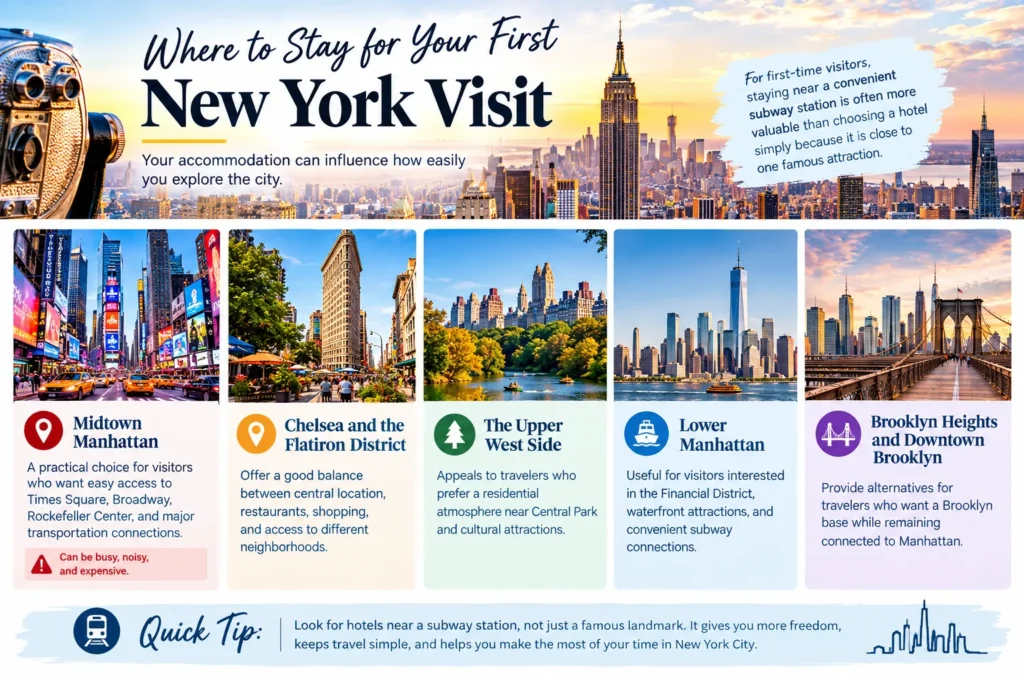
Where you stay can shape your entire New York City experience. For first-time visitors, choosing accommodation near a subway station is often more valuable than staying close to a single landmark, especially when your itinerary covers several neighborhoods.
Midtown Manhattan is a convenient base for exploring Times Square, Broadway, and Rockefeller Center, with excellent transport connections. However, its busy streets, noise, and higher hotel prices may not suit everyone. Chelsea and the Flatiron District offer a more balanced atmosphere, combining central access with restaurants, shopping, and neighborhood charm. For a quieter setting near Central Park and cultural attractions, consider the Upper West Side.
Lower Manhattan appeals to travelers interested in waterfront views, historic sites, and the Financial District. Across the river, Brooklyn Heights and Downtown Brooklyn provide alternative places to stay, with subway connections that make reaching Manhattan relatively straightforward.
Accommodation costs vary by season, location, and booking date. For a five-day visit, focus on comfort, transport access, and the convenience of your chosen neighborhood rather than paying a premium simply for a famous hotel address.
Getting Around New York Without Wasting Time
New York is one of the easiest major American cities to explore without renting a car.
The subway connects most of the neighborhoods featured in this itinerary, while walking is often the best way to appreciate the city’s architecture and atmosphere.
Use the Subway for Longer Distances
The subway is one of the most practical ways to travel between Manhattan and Brooklyn and reach neighborhoods that are too far apart to explore on foot.
New York’s OMNY contactless payment system lets you pay subway and eligible bus fares with a contactless bank card, mobile wallet, or OMNY card. It also offers fare capping when you consistently use the same eligible payment method.
The subway may seem confusing at first, especially when navigating uptown and downtown directions or distinguishing between local and express trains. Check your train’s direction before entering the platform, and use a navigation app with public transportation directions to make getting around easier.
Walking Is Part of the Experience
Some of New York City’s most memorable discoveries happen between major attractions. Walking along Fifth Avenue, exploring Greenwich Village, or wandering through Brooklyn Heights lets you appreciate the city’s architecture, local character, and hidden details.
However, distances can be deceiving. A full day of sightseeing often involves more walking than expected, so plan your schedule realistically and wear comfortable shoes to explore the city with ease.
When Taxis and Rideshares Make Sense
Taxis and rideshare services are convenient for traveling with luggage, returning late at night, or reaching destinations with limited subway access. However, heavy Manhattan traffic can make road journeys slower than taking the subway. For most five-day itineraries, combining public transportation with walking is usually the most practical and cost-effective way to explore the city.
What Should You Budget for Five Days in New York?
New York can be expensive, but the cost of a five-day visit depends heavily on accommodation, dining preferences, and the number of paid attractions you choose.
The following estimates are illustrative per-person budgets for five days and four nights, assuming two adults share a hotel room. They exclude flights, shopping, and major personal expenses.
| Expense | Budget Trip | Comfortable Trip | Luxury Trip |
|---|---|---|---|
| Accommodation share | 650 | 1,100 | $1,400+ |
| Food and drinks | 250 | 450 | $650+ |
| Local transportation | 70 | 120 | $180+ |
| Attractions and entertainment | 200 | 350 | $450+ |
| Estimated total | 1,170 | 2,020 | $2,680+ |
These figures are planning estimates rather than live prices, and your final budget will depend on hotel fees, taxes, seasonal demand, and personal preferences.
New York City also offers plenty of ways to explore without spending heavily on attractions. Central Park, the Brooklyn Bridge, the High Line, Times Square, and many waterfront viewpoints are free to enjoy. The outdoor 9/11 Memorial is also free to visit.
Combining paid experiences with these free attractions can help you manage your budget while still enjoying New York’s most memorable sights.
When New York Feels Its Best
New York City offers a different experience in every season, from spring blossoms and summer festivals to autumn foliage and festive winter streets.
Spring (March–May) brings blooming trees and increasingly pleasant weather, making it a lovely time to explore Central Park and Brooklyn’s waterfront. Summer (June–August) features long days, outdoor dining, and lively festivals, although heat, humidity, and larger crowds can make sightseeing more demanding.
Fall (September–November) is especially appealing for walking tours, with cooler temperatures and colorful foliage adding charm to parks and residential neighborhoods. Winter (December–February) transforms the city with holiday decorations, seasonal markets, and ice-skating opportunities, particularly around Midtown, but visitors should prepare for cold weather.
For comfortable sightseeing, late spring and early fall are excellent choices. Travelers hoping to experience New York’s famous Christmas displays should consider late November or December, keeping in mind that hotel rates and attraction crowds can rise during the holiday season.
The New York Experiences Worth Making Room For
A five day trip to New York City provides various opportunities to experience it, but you will not be able to see everything. Rather than trying to add more and more to your list, consider adding time to certain things that appeal to your interests. Theater fans can add a show on Broadway; photographers can add a rooftop viewing platform to maximize views of the skyline; food lovers can add additional hours to Chinatown, Little Italy, and other neighborhoods with a rich culinary history; art enthusiasts can spend more time at The Met or the Museum of Modern Art; families can add hours to Central Park and the American Museum of Natural History, as well as other kid-friendly activities. These helpful itinerary ideas can help you to enjoy the city and everything it has to offer.
Before You Arrive: A Few Details That Matter
First-time visitors can make their trip considerably smoother by preparing for a few practical realities.
Airport transfers: New York is served by John F. Kennedy International Airport, LaGuardia Airport, and Newark Liberty International Airport. Transfer times and costs vary depending on your destination, arrival time, and transportation method.
Hotel check-in: If you arrive early, ask whether your hotel offers luggage storage. This can allow you to begin exploring without carrying your bags.
Restaurant tipping: Tipping is customary at sit-down restaurants in New York. Check your bill for any included service charge before adding a tip.
Weather: Conditions can change during the day, particularly in spring and fall. Carrying a light layer or compact umbrella can be useful.
Attraction schedules: Museums, observation decks, and entertainment venues may have changing opening hours or special closures. Confirm schedules before arranging your days.
Travel documents: International visitors should verify the passport and U.S. entry requirements applicable to their nationality well before departure.
A little preparation helps reduce avoidable delays, leaving more time for enjoying the city.
Five Days Later, New York Will Feel Different
It’s easy to feel a little lost in New York at first. Its skyscrapers stretch to the clouds, Its streets are busy, Its landmarks are huge and each day, for five days, the city uncovers itself a little more as it beckons you in. The serenity of Central Park sets you apart from the city’s hustle and bustle. Waterfront views are a photo opportunity at every turn in Brooklyn, and neighborhoods such as Soho and Greenwich Village allow you to get a taste of the real New York beyond the bright lights of Times Square.
Before you leave, you’ll have carved memories in your mind’s eye – crossing the Brooklyn Bridge, catching a Broadway show, hitting your favorite restaurant, discovering a treasure of a neighborhood street. The best first visit to New York isn’t to see everything. It’s to see enough.