
Buying travel insurance for skiing, diving or trekking isn’t like insuring a beach week. Many plans exclude or limit higher-risk activities, and the lines sit in different places for different insurers.
Here’s how major US insurers handle it, what to check before you buy, and where your own health insurance does and doesn’t help.
Why standard plans often exclude adventure sports
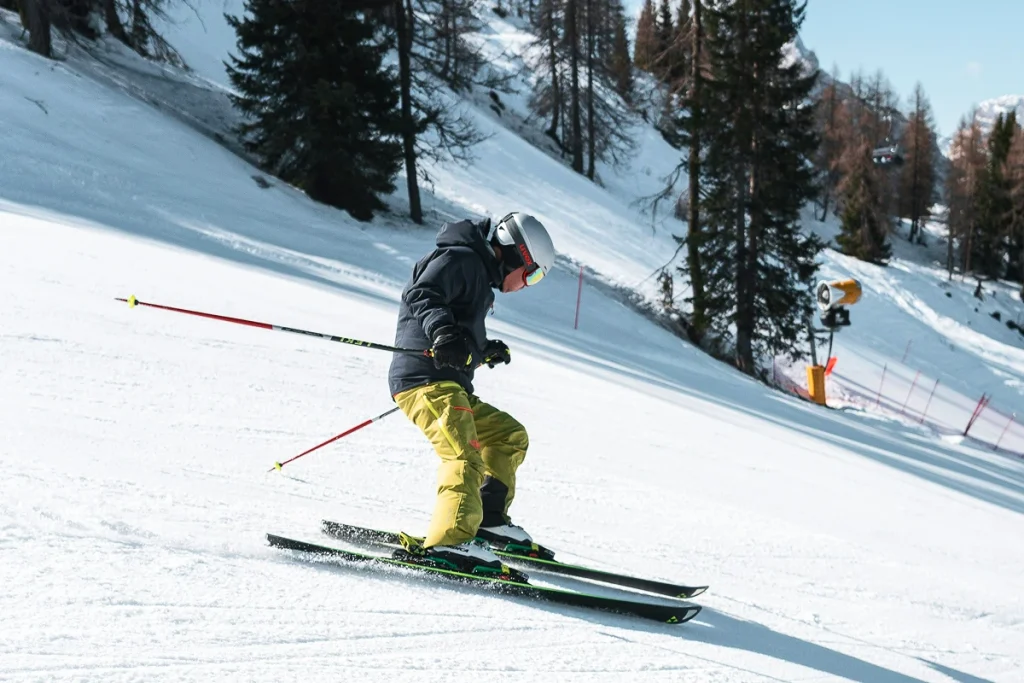
Two big US insurers show how different the starting points are.
Allianz Travel Insurance says its plans can protect ski vacations. Its adventure travel guide, though, excludes skiing or snowboarding outside marked trails or in areas accessed by helicopter, plus skydiving, bungee jumping, climbing sports, “any high-altitude activity,” free diving, and scuba diving deeper than 60 feet or without a dive master. Taking part in or training for a sporting competition is excluded too.
Travelex Insurance says its base plans don’t cover snow skiing at all. You add the Adventure Activities Upgrade to the Essential, Advantage, Ultimate or Travel Med Go plan, which also brings up to $10,000 for organized search and rescue. The upgrade isn’t sold to Illinois residents.
So with one company, skiing on marked trails is covered out of the box. With another, you pay extra for it.
Off-piste, backcountry and heli-skiing
This is where claims usually go wrong. World Nomads, which sells adventure-focused plans to US residents, covers skiing on or off piste within resort boundaries on all plans, but puts backcountry skiing outside resort boundaries and ski racing on its higher Explorer and Epic plans. If you’re planning ski touring, a heli-ski day or a race, find that activity by name in the policy wording.
What to look for in a policy
Emergency medical and evacuation limits
Evacuation is the expensive part. The US Government Accountability Office found the median price charged for a helicopter air ambulance transport was about $36,400 in 2017. Allianz’s OneTrip Premier, for comparison, offers up to $75,000 in emergency medical benefits and up to $1 million for emergency transportation. In remote mountains, a high evacuation limit matters more than almost any other benefit.
Search and rescue
Evacuation cover usually starts once you’ve been found. Searching for a lost skier or hiker is a separate cost, and only some plans include it, such as the $10,000 benefit in Travelex’s upgrade.
Sports equipment, lift tickets and lessons
Check the per-item limit if you fly with skis or dive gear. Travelex base plans cover lost, stolen or damaged items up to $500 each; its baggage upgrade raises that to $1,500 and adds sporting equipment delay and rental cover.
Prepaid lift passes, lessons and rentals are trip costs, so include them in your insured trip cost. Don’t assume a thin snow year is a covered reason to cancel, though. Plans pay only for the reasons they list.
Altitude limits for trekking
Allianz excludes high-altitude activities. World Nomads sets trekking limits by plan: 6,000 meters (19,685 feet) on Standard, 6,500 on Explorer and 8,000 on Epic. Check the limit against your highest planned point.
Skiing in the US vs. abroad
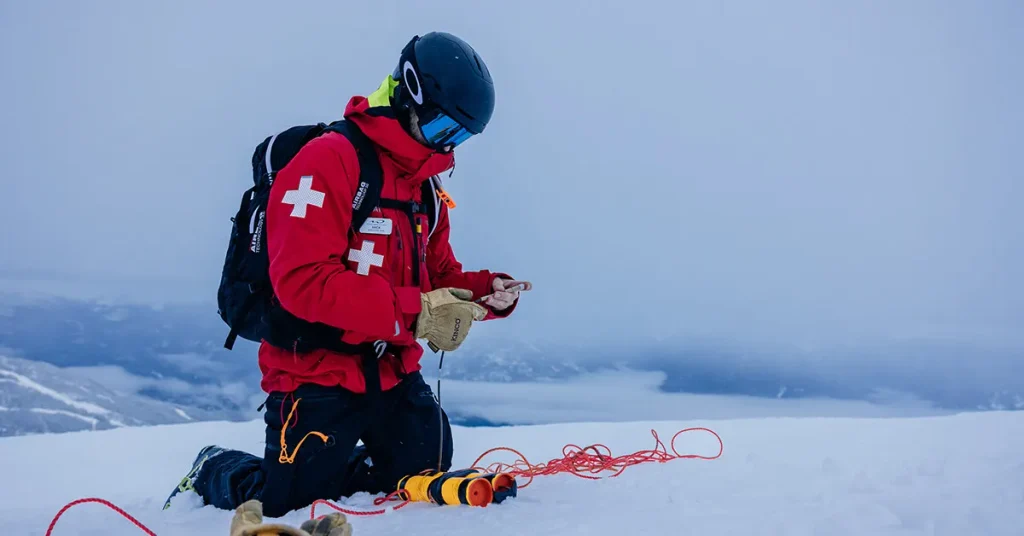
At one of the best ski resorts in the USA, your health insurance usually treats a slope injury like any other emergency. The federal No Surprises Act also caps what you pay for a covered out-of-network air ambulance at your in-network cost-sharing. Ground ambulances aren’t covered by those protections, though some states have their own rules.
Travel insurance still earns its place on a domestic trip for cancellation, gear and, on many plans, medical transport back home after treatment.
Abroad, it’s a different story. Original Medicare generally doesn’t cover care outside the US except in a few narrow situations, and many domestic health plans offer little international cover. For a ski week in the Alps or Japan, medical and evacuation cover is the main reason to buy.
Scuba diving and other adventure sports
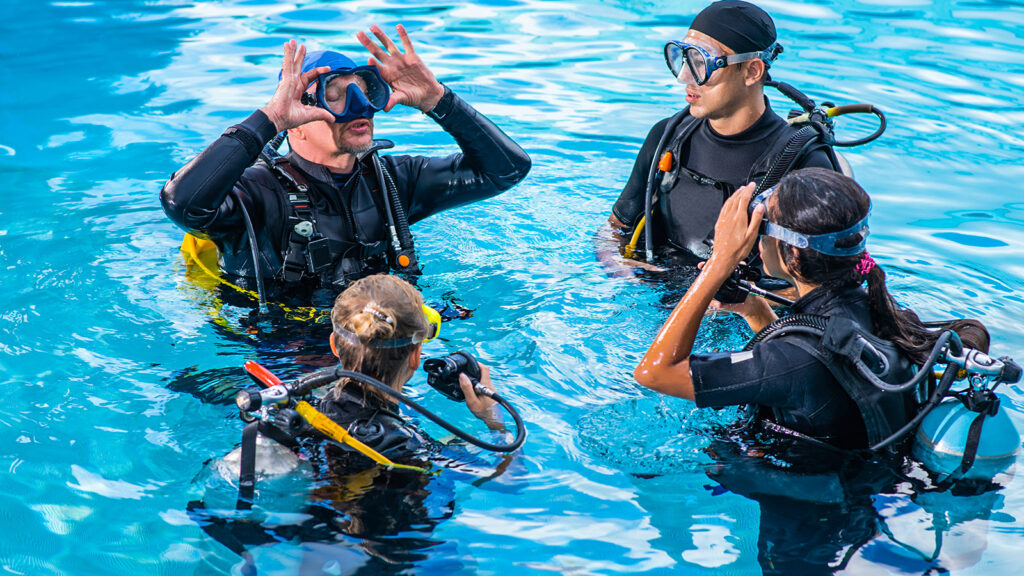
Diving rules center on depth and supervision. Allianz excludes dives below 60 feet or without a dive master, and Travelex base plans exclude dives deeper than 75 feet. If you’re new and sticking to shallow reefs, like many spots in our guide to scuba diving destinations for beginners, a standard plan may be enough. Serious divers often add specialist dive accident cover.
For skydiving, paragliding or climbing, assume you need an upgrade until the wording says otherwise.
Tips before you buy
- List every activity you might try, even the maybes, and check each one against the exclusions.
- Follow the policy’s rules, such as staying on marked trails or diving with a guide.
- Ask whether an upgrade can be added after purchase, or simply buy it with the base plan.
- If you ski or dive several times a year, price an annual multi-trip travel insurance plan against single-trip policies.
The bottom line
Decide where and how you’ll ski or dive, then choose a plan that names those activities and carries a strong evacuation limit. You can compare providers in our best travel insurance guide.
Policy terms change often, so confirm details in the plan documents before you buy.
FAQs
Does regular travel insurance cover skiing?
It depends on the insurer. Allianz says its plans can cover skiing on marked trails, while Travelex base plans exclude snow skiing without its upgrade.
Is off-piste skiing covered?
Often not. Allianz excludes skiing outside marked trails, and World Nomads’ Standard plan covers off piste only within resort boundaries.
Do I need travel insurance to ski in the US?
Not for basic medical care if your health plan covers you, but it adds cancellation, gear and transport-home protection.
Is scuba diving covered?
Recreational diving often is, within limits. Allianz requires a dive master and a 60-foot maximum depth.