
Charleston has a way of turning a mini vacation into something memorable. Imagine meandering past pastel-colored homes, marveling at historic architecture under moss-dripped oak trees, relishing in fresh-cooked seafood, and capping off the night with a relaxing walk along the water.
Situated on South Carolina’s coastline, Charleston combines historical charm, Southern hospitality, coastal views and a mouthwatering dining scene. Whether it’s a romantic getaway, a weekend with friends or a family vacation filled with both sightseeing and sunbathing, there’s much to enjoy.
And in three days, you will have plenty of time to visit the historic centre, discover the gastronomy, and go on an excursion to the Atlantic coast nearby.
Charleston at a Glance
| Travel Detail | What to Know |
| Ideal trip length | 3 days |
| Best seasons | Spring and fall |
| Best area for first-time visitors | Historic Downtown |
| Best for couples | Historic District and waterfront |
| Best for families | Downtown attractions and nearby beaches |
| Beaches to consider | Folly Beach, Sullivan’s Island, and Isle of Palms |
| Local specialties | Shrimp and grits, she-crab soup, fresh seafood |
| Getting around | Walking downtown; car or rideshare for outlying areas |
Your First Day: Experience the Charleston You’ve Seen in Pictures
Start your weekend in the Historic District, where Charleston’s distinctive architecture and historic streets provide an introduction to the city’s character.
Morning Among Colorful Streets and Historic Homes
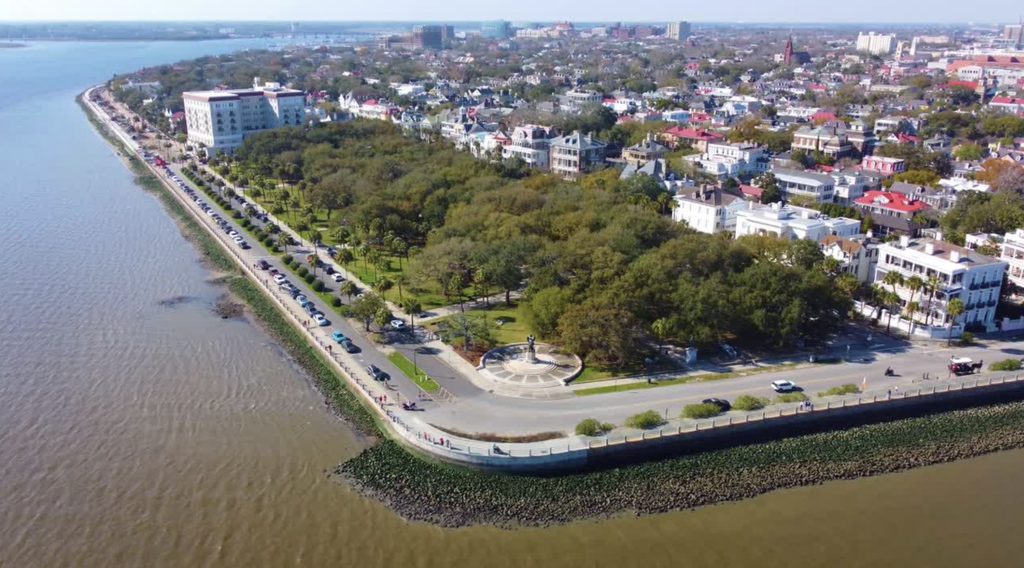
Start at Rainbow Row, a series of pastel-hued historic houses, which has become one of Charleston’s most iconic sites. Get there early for a shot without the hoard of tourists and Proceed to The Battery, a lovely promenade along the waterfront home to some remarkable historic mansions. Enter White Point Garden, where shaded walkways beneath centuries-old oaks provide a shaded respite.
Best explored on foot, this area of Charleston can be enjoyed at a leisurely pace. Take your time to observe the little touches that embellish it, such as ornate ironwork and doors, and to appreciate the courtyards hidden behind old buildings.
Afternoon at Charleston City Market
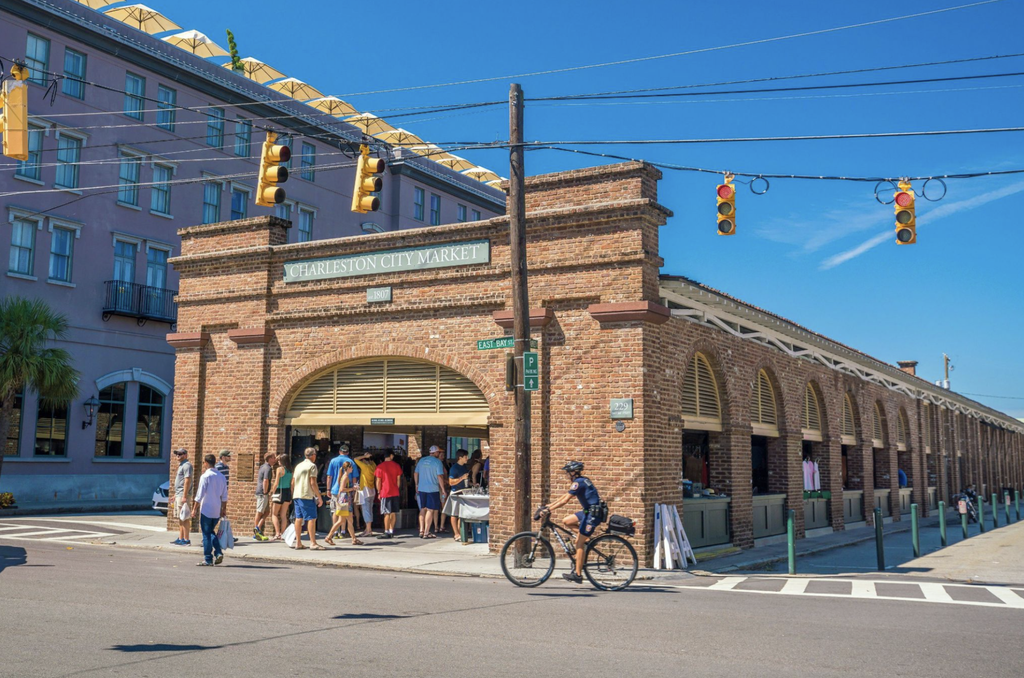
Discover Charleston City Market Stroll through Charleston City Market, where merchants will be selling local artwork, souvenirs, and sweetgrass baskets. Explore local crafts, souvenirs, artwork, and sweetgrass baskets at the Charleston City Market Charleston City Market is one of the top rated historic attractions in Charleston, SC.
Find handmade jewelry, artwork, clothing, home décor and sweetgrass baskets at the market housed within several historic buildings in the heart of downtown Charleston. The Market, which has a reputation for the long-standing Gullah sweetgrass basket-weaving tradition, a craft that has its roots in the African American community of Charleston.
The marketplace is a great spot to explore Lowcountry regional craftsmanship and culture. Once you’ve made your rounds, head back down King Street to experience its shopping, eclectic boutiques, cafés and restaurants.
Evening: A Taste of Lowcountry Cuisine
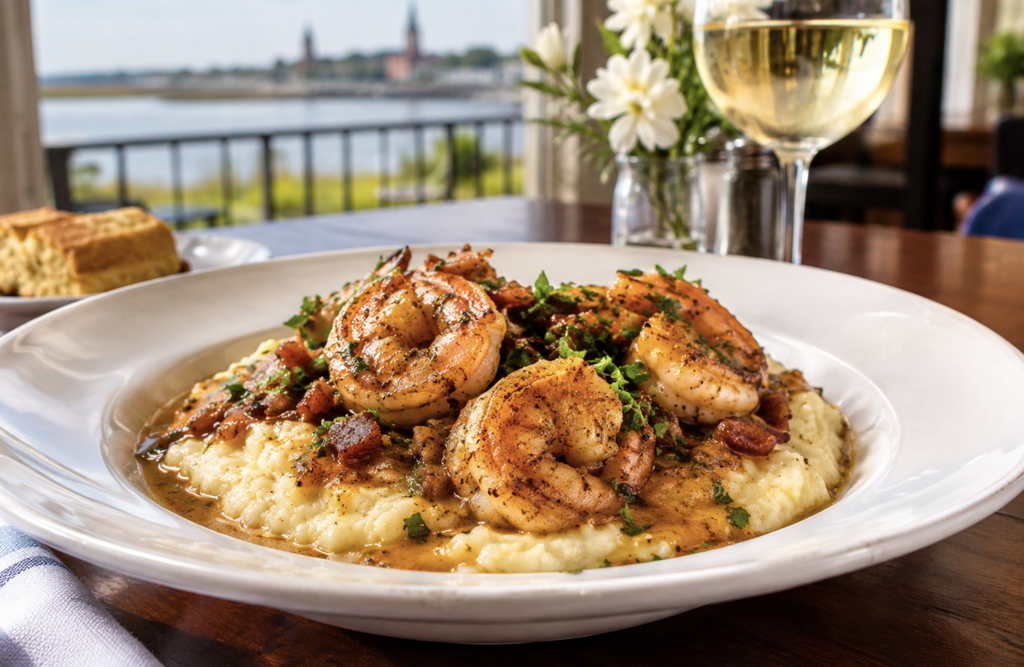
Use your first night in Charleston as an opportunity to get a taste of our food culture. You have to have the staples like she-crab soup, and something fresh off the boat like some fresh seafood, fried green tomatoes, and shrimp and grits.
Once you’ve eaten to your fill, take a leisurely walk through the Historic District. It’s a whole different scene at night when the streets slow down and the buildings begin to sparkle. And don’t forget – wear comfortable shoes. Those historic streets are notorious for their unevenness, and you may end up walking a lot farther than you think.
Day Two: Discover the City’s History and Waterfront
Beauty is just the start of Charleston’s story. As you venture into the historic city, you’ll learn about its association with slavery, the Civil War, and the settling of the American South. Day two allows you to dive headfirst into that history-all while soaking up the City of Charleston.
Choose a Historic Experience for the Morning
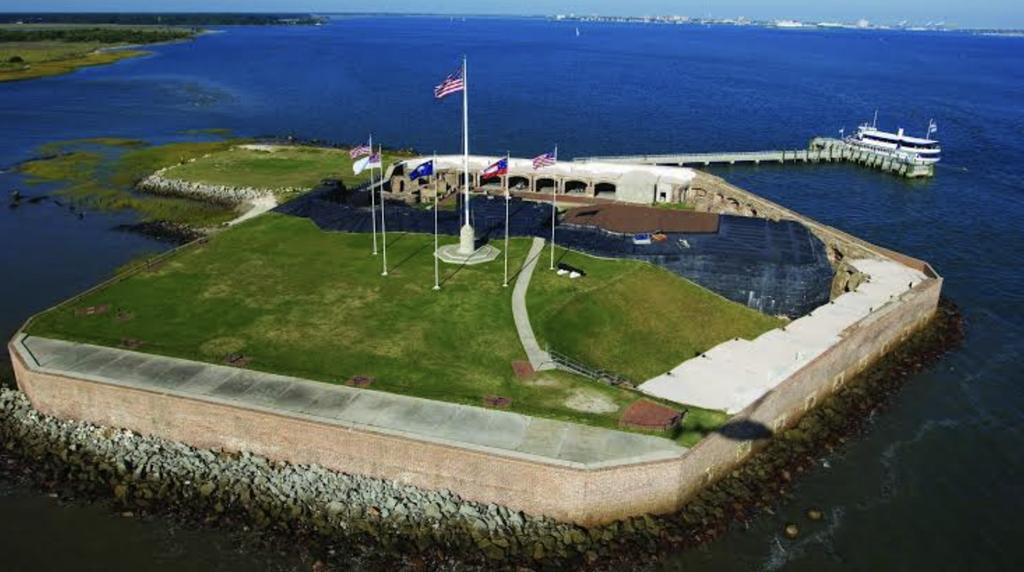
A ferry ride to Fort Sumter is one of the most popular tours offered. You will be able to see the first shots of the American Civil War, which were fired in April of 1861, and experience the beautiful scenery of a water ride to the fort. Fort Sumter sits on an island at the gateway of Charleston Harbor. The fort is known for being the location where the first shots of the American Civil War were fired on April 12, 1861. Present-day visitors can take tours of the historic brick walls and military installations and learn about the events that made American history.
Allocate several hours for the trip and visit and check ferry schedules prior to planning the rest of your day. If you prefer to stay in the downtown area, you can take an historical walking tour on your own or sign up for a guided historical walking tour or visit a historic house museum. The International African American Museum is another significant attraction to explore.
Take a Break at Waterfront Park
Relax in the afternoon at the Joe Riley Waterfront Park, one of Charleston’s more welcoming public spaces. Landscaped gardens and shaded benches, walkways and views of the harbor can all be found in the park. The ‘iconic’ Pineapple Fountain is a major photo opportunity and the waterfront landscape provides space to relax after a busy morning sightseeing.
Here, you can walk to the next street or be a little bit more relaxed and stop at a Café before eating.
An Evening Built Around Food
In Charleston, dinner is often one of the best parts of your trip. From laid-back seafood shacks to fine-dining rooms offering contemporary takes on Lowcountry cuisine, the city offers something for every taste and budget. You could be sampling fresh oysters or ordering Southern comfort food, or you might be experiencing a new-season menu.
Popular restaurants and ferry excursions during busy spring weekends and holiday periods should be reserved in advance.
Day Three: Trade Historic Streets for Ocean Views
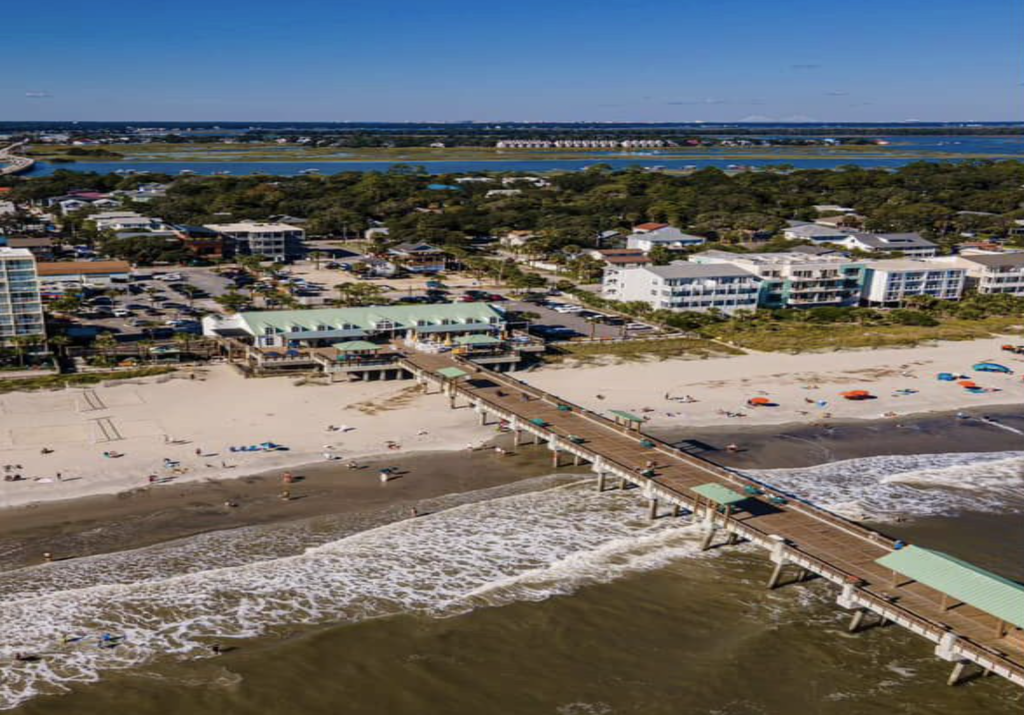
For your final day, leave the city center behind and explore the beaches surrounding Charleston. Each coastal destination has a slightly different personality, so choose one that suits the kind of afternoon you want.
Folly Beach for a Lively Coastal Atmosphere
Folly Beach features a relaxed vibe, sandy beaches, a fishing pier and casual waterfront restaurants. A nice option if you want to have a low key day at the beach but also get some activity. Take a walk down the beach, do some shopping, or go to a local restaurant for lunch. Folly Beach is ideal for travelers who want a relaxed, unpretentious beach town rather than a resort setting.
Sullivan’s Island for a Quieter Escape
Sullivan’s Island has a more laid-back beach feeling with a residential feel and pretty beaches.
It’s a lovely choice for lovers or travelers who desire to stop by the beach so long as the beach is not in the middle of a lively entertainment district. If you’re curious to learn more about Charleston’s history, nearby Fort Moultrie is another interesting historical site.
Isle of Palms for Families and Beach Time
Isle of Palms is another popular option, particularly for families and visitors looking for broad sandy beaches and convenient amenities. Spend the morning walking along the coast, relaxing on the sand, or enjoying lunch nearby. Always check local beach conditions and follow posted swimming guidance.
Which beach should you choose? Folly Beach is perfect if you want a laid back experience and a fun scene; Sullivan’s Island might be a better choice if you want a more relaxed setting; and Isle of Palms is worth considering if you want a true beach experience with family-friendly attractions.
If you only have a weekend to spend then the Historic District and the Waterfront Park is top on the priority. Beach is worth the wait if you plan to visit on your next visit.
More Charleston Experiences Worth Adding to Your List
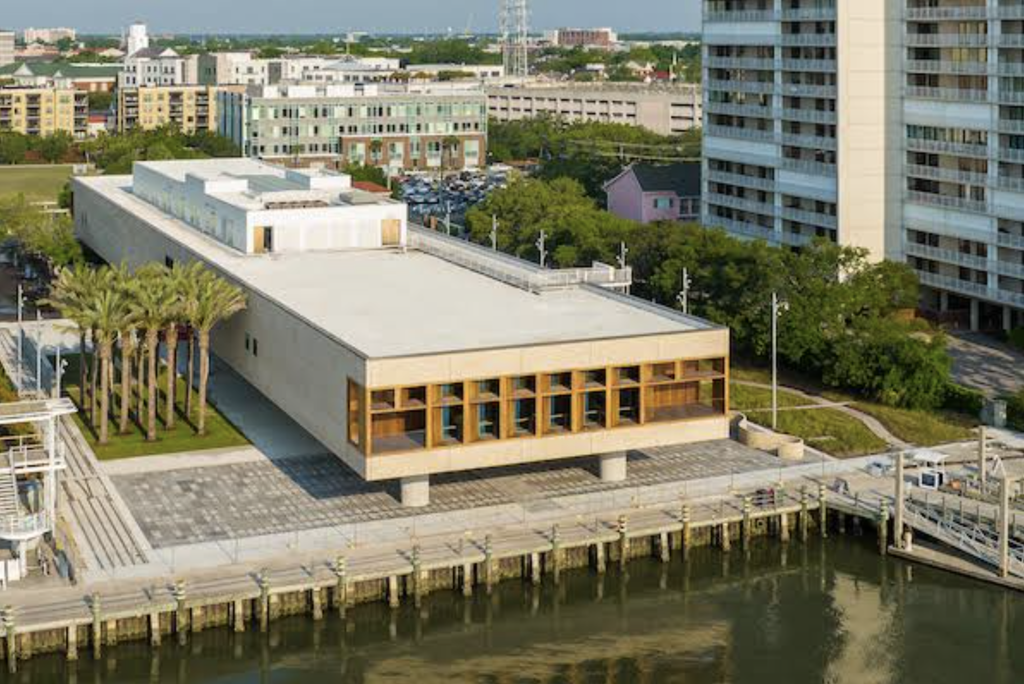
If you have extra time—or want to replace an activity in the itinerary—these attractions offer another perspective on the city and its surroundings.
Magnolia Plantation and Gardens: Known for its gardens, scenic waterways, and historic setting, Magnolia Plantation offers an opportunity to explore the region’s landscape and history. Visitors should also learn about the enslaved people whose labor shaped the plantation and its legacy.
South Carolina Aquarium: Located near the waterfront, the aquarium features marine life, educational exhibits, and conservation programs. Its Sea Turtle Care Center is especially interesting for visitors who want to learn about marine wildlife rehabilitation.
Shem Creek: In nearby Mount Pleasant, Shem Creek is known for its waterfront restaurants, boardwalk, and views of fishing boats. It’s a pleasant destination for a relaxed meal or an evening walk.
International African American Museum: This museum explores African American history and culture, including the experiences of people connected to the transatlantic slave trade. It’s a meaningful addition for travelers seeking a fuller understanding of Charleston’s past.
Choose one or two of these experiences based on your interests rather than trying to fit every attraction into a short trip.
Where to Stay for a Convenient Weekend
Your choice of accommodation can shape the entire trip. Staying downtown makes sightseeing easier, while neighborhoods outside the historic center may offer different hotel options and a quieter setting.
Historic Downtown: The Easiest Base
Historic Downtown is a good location for your first visit. You will be within walking distance of main attractions, restaurants, shopping districts and the waterfront attractions. Price is the main drawback. Accommodation in the most requested areas will be costly – at the best time of the year and at high tide, you can expect a lot of money.
The French Quarter: Historic Charm and Romance
The French Quarter is in historic downtown Charleston and features historic buildings, galleries and beautiful streets. The location is attractive for couples and travelers looking for a boutique hotel, as well as for strolling to romantic restaurants for dinner.
Mount Pleasant: More Room to Explore
Across the Cooper River from downtown, Mount Pleasant offers hotels, restaurants, and convenient access to Shem Creek and nearby coastal destinations. It’s worth considering for families and road-trippers, although you’ll generally need transportation to reach downtown attractions.
Folly Beach: Stay Close to the Coast
Should you prefer having a relaxed weekend that includes a good walk on the beach, a place near Folly Beach might be a good option. If perhaps coastal de-stressing can be top priorities, this can work effectively if you just have to factor in the highway into Charleston for historic sightseeing.
My recommendation: First-time visitors with only three days should consider staying downtown. If beach time is the main purpose of your trip, accommodation closer to the coast may make more sense.
When Is Charleston at Its Best?
Charleston can be visited throughout the year, but spring and fall are often the most comfortable seasons for walking tours and outdoor sightseeing.
| Season | What to Expect | Best Suited To |
| Spring (March–May) | Pleasant sightseeing weather and blooming gardens; popular travel period | First-time visitors and couples |
| Summer (June–August) | Hot, humid conditions and beach-friendly weather | Beach trips and family vacations |
| Fall (September–November) | Often comfortable temperatures, with changing weather conditions | Walking tours and relaxed getaways |
| Winter (December–February) | Cooler weather and a quieter atmosphere outside holiday periods | Cultural attractions and potentially better-value stays |
Spring and fall are strong choices if you plan to spend much of your time exploring on foot. Summer can be enjoyable for beach activities, but prepare for heat, humidity, and afternoon rain.
The Atlantic hurricane season runs from June through November. If you’re traveling during this period, monitor forecasts and consider flexible reservations.
What Will a Three-Day Charleston Trip Cost?
Charleston can suit different budgets, although accommodation in the Historic District can account for a significant share of the total.
The following figures are broad planning estimates for one traveler on a three-day, two-night trip. They assume the traveler pays the stated share of accommodation rather than splitting a room with another person.
| Expense | Budget Trip($) | Mid-Range Trip($) | Luxury Trip($) |
| Accommodation (2 nights) | 250–450 | 450–850 | $900+ |
| Food and dining | 100–180 | 180–300 | $350+ |
| Attractions | 20–75 | 75–150 | $150+ |
| Local transportation | 30–75 | 75–150 | $150+ |
| Estimated total | 400–780 | 780–1,450 | $1,550+ |
These estimates exclude flights, shopping, and certain additional expenses. Actual prices vary by season, availability, hotel choice, and planned activities.
Simple Ways to Keep Costs Down
- Look beyond the busiest weekends: Compare dates before booking, as major events and peak travel periods can increase accommodation prices.
- Enjoy Charleston’s free attractions: Rainbow Row, The Battery, and Waterfront Park are excellent additions to your itinerary without admission costs.
- Compare the full hotel price: Consider parking, resort fees, and transportation when deciding where to stay.
- Explore downtown on foot: Walking between nearby attractions can reduce transportation expenses.
- Be selective with paid experiences: Choose the tours and attractions that genuinely interest you instead of filling every available hour with paid activities.
What to Eat While You’re in Charleston

Food is an important part of the Charleston experience. Lowcountry cuisine draws on African, European, and Indigenous influences, with seafood and regional ingredients playing a major role.
Make room for a few local favorites during your visit:
- Shrimp and grits: A classic Southern dish combining shrimp with creamy grits and flavorful seasoning.
- She-crab soup: A rich seafood soup associated with Charleston and the wider Lowcountry.
- Lowcountry boil: A communal-style meal traditionally featuring shrimp, corn, potatoes, and sausage.
- Fried green tomatoes: A popular Southern dish often served as an appetizer or side.
- Fresh oysters: A natural choice for seafood lovers visiting this coastal region.
You don’t need an expensive restaurant for every meal. Consider balancing one memorable dinner with casual cafés, seafood spots, and local eateries. If you’re traveling during a busy weekend, book dinner reservations in advance to avoid limiting your options.
Getting Around Without Wasting Time
Walking around is one of the top things to do in downtown Charleston. Most of the top attractions are within walking distance of each other, and it’s the best way to truly discover the design and small intricacies that make the city unique.
If you plan to visit beaches, plantations, or out of town destinations, a rental car or a rideshare will be more practical. There is public transportation in Charleston with downtown DASH shuttles, so be sure to look at the routes and times before depending on it.
Have you got a rental vehicle? Of course not. If you’re in the centre and just interested in the historic landmarks, dining and walkabouts, you’ll likely be fine without one. A car is more helpful if you plan on hitting several beaches or venturing out of town to more remote attractions. If you’re traveling by car, make sure there is parking available and find out about charges at your hotel before you leave.
Frequently Asked Questions About a Charleston Weekend
Is Charleston worth visiting for a weekend?
Absolutely. Charleston combines historic landmarks, coastal scenery, excellent food, and a walkable downtown, making it well suited to a short getaway.
How many days should you spend in Charleston?
Three days is a good starting point for first-time visitors. It allows time for the Historic District, a few major attractions, local dining, and a nearby beach.
What is the best month to visit Charleston?
April, May, October, and early November can be appealing for sightseeing because temperatures are often more comfortable than during summer. Weather and hotel prices vary, so compare conditions and rates for your dates.
Is Charleston a good destination for couples?
Yes. Historic streets, waterfront views, boutique accommodation, and memorable restaurants make Charleston an appealing choice for romantic weekends and anniversaries.
Can you explore Charleston without a car?
Yes. Many downtown attractions are walkable, and local transportation options can help with some journeys. A car or rideshare service is more convenient for reaching beaches and attractions outside the city center.
What is Charleston best known for?
Charleston is known for its historic architecture, Southern hospitality, Lowcountry cuisine, waterfront scenery, and nearby beaches. Rainbow Row, The Battery, Charleston City Market, and Waterfront Park are among its best-known attractions.
The Perfect Charleston Weekend Starts With a Flexible Plan
In Charleston, those who know to leave a little space in their itineraries get the most out of a visit. Maybe you scheduled your day based on a historical site, then spent the afternoon perusing a local market and stumbled upon a fantastic seafood lunch.
Three days is a great amount of time for your first trip. Spend your first day in the Historic District, your second in history and at the waterfront and top it off with a coastal getaway. First and foremost, don’t attempt to see everything at one time. Select the experiences that interest you, take the time to immerse in the charm of the city, and let the unique combination of history, cuisine, and the coast define your weekend.