
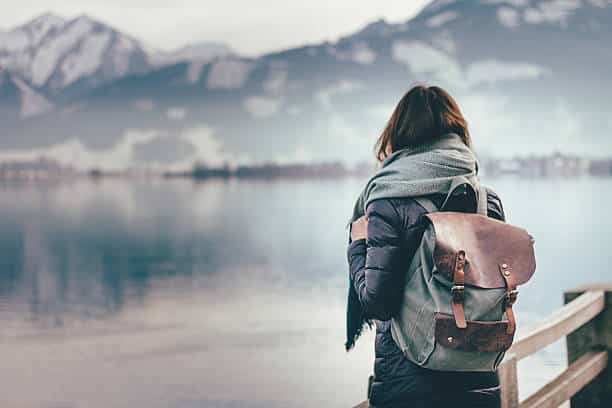
Traveling alone as a woman is one of the most rewarding things you can do, and also the thing most likely to draw unsolicited opinions from people who have never done it. The truth sits somewhere between the two extremes you usually hear. Solo female travel is not reckless, and it is not effortless either. It is a skill, and like any skill it gets easier once you know which habits actually matter and which are just noise.
This guide covers the practical safety tips that experienced solo travelers rely on, from booking accommodation and handling arrival day to managing money, documents, and the social side of traveling alone. It then walks through the best destinations for solo female travelers, grouped by the kind of trip you want, whether that is a gentle first attempt, a budget backpacking route, or a few weeks of hiking somewhere remote.
Why Solo Travel Is Worth It
The obvious appeal of solo travel is freedom. You choose the route, the pace, the budget, and the itinerary, and you change all of them without negotiating. If you want to spend three hours in a museum or skip it entirely and sit in a park, nobody is waiting on you.
The less obvious benefit is what happens socially. Traveling alone makes you approachable in a way that traveling in a group does not. You end up in more conversations with locals, hostel staff, guides, and other travelers, and you build a kind of self-trust that is hard to develop when someone else is handling the logistics. Most women who take one solo trip end up taking another, and the second one is always easier than the first.
Solo Female Travel Safety Tips
Good safety practice is mostly about reducing the number of situations where you have limited information or limited options. None of the advice below requires you to travel fearfully or skip the experiences you came for. One thing worth saying clearly first: harassment and crime are the fault of the people who commit them, not of the woman traveling. These habits improve your odds and your comfort, and that is all any precaution can do.
Before You Go: Research and Planning
Start with your government’s official travel advisory for the country, then read beyond it, because national advisories cover whole countries and risk is usually regional. Look for information at the city and neighborhood level, and cross-reference recent posts in solo female travel communities, since conditions change faster than guidebooks update.
Research local norms honestly rather than defensively. Understanding expected dress in religious sites, whether it is normal for women to sit alone in bars, how taxis are usually hailed, and how people typically respond to unwanted attention gives you a baseline for what is ordinary and what is not. That baseline is what lets you notice when something is off.
Register with your embassy if your country offers a traveler enrollment program, note the local emergency number, and save the address of your embassy or consulate offline. Check that your travel insurance covers the activities you actually plan to do, since many standard policies exclude scooter riding, diving, and trekking above certain altitudes.
Booking Accommodation Safely
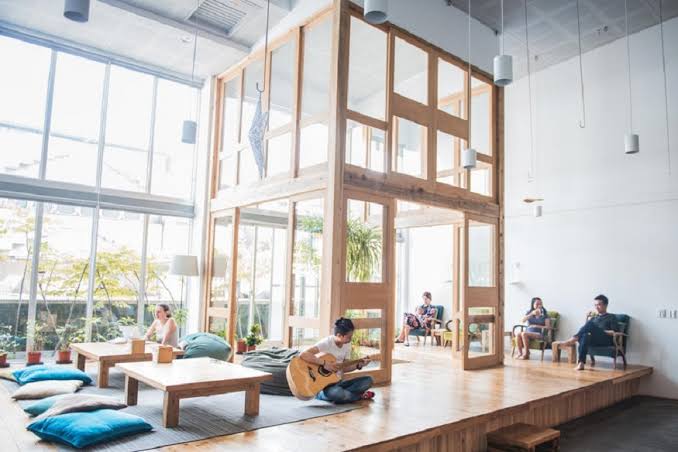
Location matters more than the property itself. A mediocre guesthouse in a central, well-lit, walkable neighborhood is a better choice than a beautiful place down a dark lane twenty minutes out, especially for your first two nights when you do not yet know the city. Filter reviews specifically for comments left by solo women, and pay attention to what they say about the walk back at night and the behavior of staff.
Look for 24-hour reception, secure entry, and in-room lockers or safes. If you are staying in hostels, female-only dorms are widely available and worth the small premium for the first few nights. For apartment rentals, confirm the lock type, check whether the host has key access, and avoid listings where the exact address is only revealed after payment with no reviews to back it up.
Arrival Day and Getting Around
Arrival is statistically when you are most exposed, because you are tired, carrying everything you own, and visibly unfamiliar with the place. Try to land during daylight hours. Arrange airport transport in advance through your accommodation or a licensed app, have the address written in the local language, and download an offline map before you land so you can follow your own route to the door.
For day-to-day movement, use official ride-hailing apps where they operate, sit in the back seat, and check the plate and driver against the app before getting in. Sharing your live location with someone at home when you take a long ride or head somewhere remote takes five seconds and is the single most useful habit on this list. On buses and trains, keep your bag physically attached to you rather than on an overhead rack, and choose seats near other women or families on overnight journeys.
Staying Safe at Night and When Socializing
Going out alone is not the problem; losing awareness is. Keep your drink in sight and buy it yourself, watch your alcohol intake more carefully than you would at home, and decide before you go out how you are getting back. Have the return trip settled and funded in advance rather than figuring it out at two in the morning in an unfamiliar neighborhood.
You are allowed to be rude. Ending a conversation, walking away, refusing to give your accommodation name, or telling someone you are meeting a friend shortly are all reasonable moves, and a vague answer about where you are staying is standard practice for solo travelers, not paranoia. If someone will not accept a polite no, the polite phase is over.
If you feel uncomfortable, move toward staff, shopkeepers, families, or any busy lit area. Walking into a hotel lobby or restaurant you are not staying at is completely acceptable, and staff in tourist areas deal with this regularly.
Money, Documents, and Digital Safety
- Split your money and cards: keep a backup card and some emergency cash separate from your daily wallet, ideally in a different bag or in your accommodation safe.
- Carry a copy, not the original: leave your passport secured where you are staying, where local law allows, and carry a photocopy or a photo on your phone for daily use.
- Store documents offline and in the cloud: passport, visa, insurance policy number, and emergency contacts should exist in both places so a lost phone does not become a lost identity.
- Use a VPN on public Wi-Fi: airport, cafe, and hotel networks are not places to log into banking apps unprotected.
- Delay your posts: sharing your exact location in real time tells strangers where you are right now. Posting a day or two behind removes that without changing the content.
- Set up a check-in routine: agree with one person at home on a regular message schedule and a plan for what they should do if you go quiet.
Trusting Your Instincts
Every experienced solo traveler will tell you the same thing, and it is worth repeating because it is easy to override. If a situation, a room, a driver, or a person feels wrong, leave. You do not need a justification, an explanation, or proof. The cost of walking away from something harmless is a small amount of awkwardness and possibly a wasted booking fee. The cost of ignoring a real warning is much higher, and the social pressure to be polite is exactly what makes women hesitate at the moment hesitation is least useful.
Best Destinations for Solo Female Travelers
No destination is risk-free, and safety varies far more by city and neighborhood than by country. That said, some places make solo travel structurally easier through reliable transport, a normalized culture of women moving around independently, and infrastructure built for independent travelers. These are the ones that consistently come up.
Japan
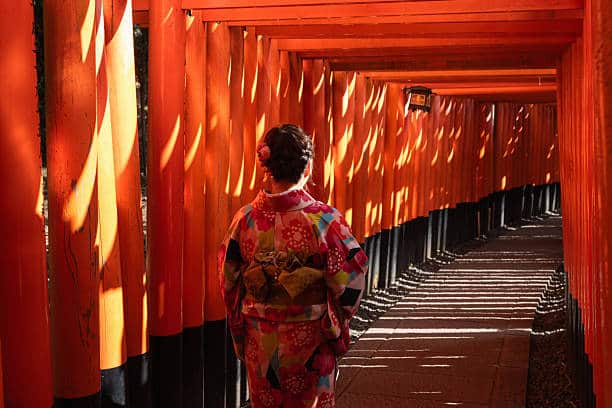
Japan is the destination most often recommended for a first solo trip, and for good reason. The rail network is punctual and easy to navigate with English signage in major hubs, eating alone is entirely normal to the point that many restaurants have single-seat counters, and low-level street crime is uncommon. Solo travelers can move between Tokyo, Kyoto, Osaka, and Hiroshima with minimal planning. Be aware that unwanted contact on crowded rush-hour trains has been a documented issue, which is why women-only cars operate on some lines at peak times.
Portugal
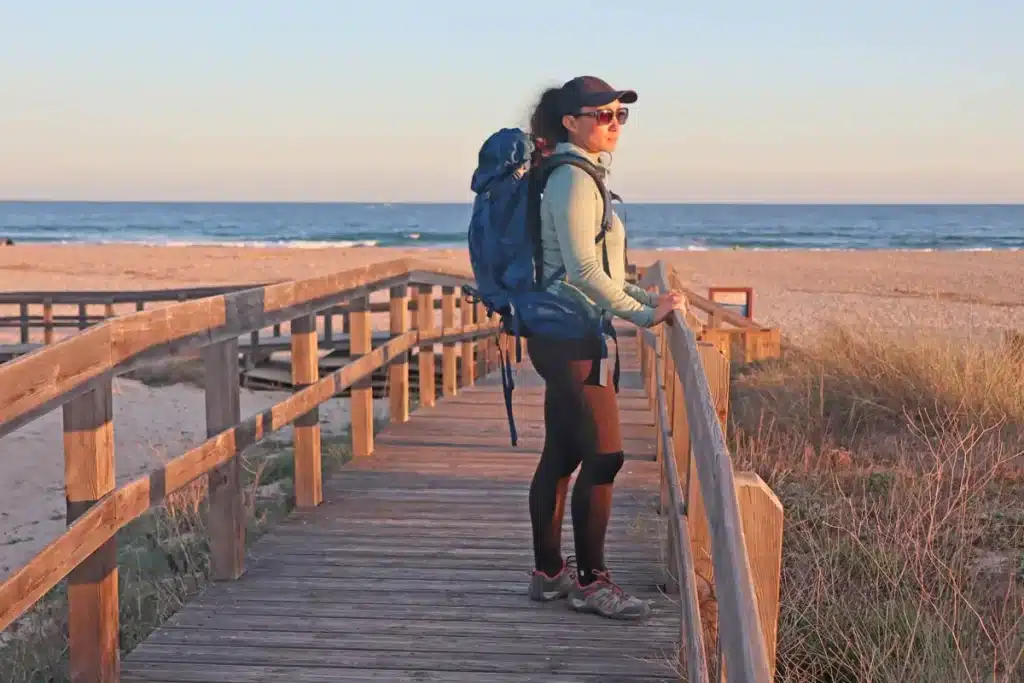
Portugal combines affordability with an easygoing pace and a strong solo travel scene. Lisbon and Porto both have dense hostel networks, walkable historic centers, and a cafe culture where sitting alone with a book is unremarkable. Train and bus connections make it simple to add the Algarve coast, the Douro Valley, or Sintra without renting a car. It is also one of the better bases in Europe for a longer stay, thanks to widespread English, coworking spaces, and a large international community.
New Zealand
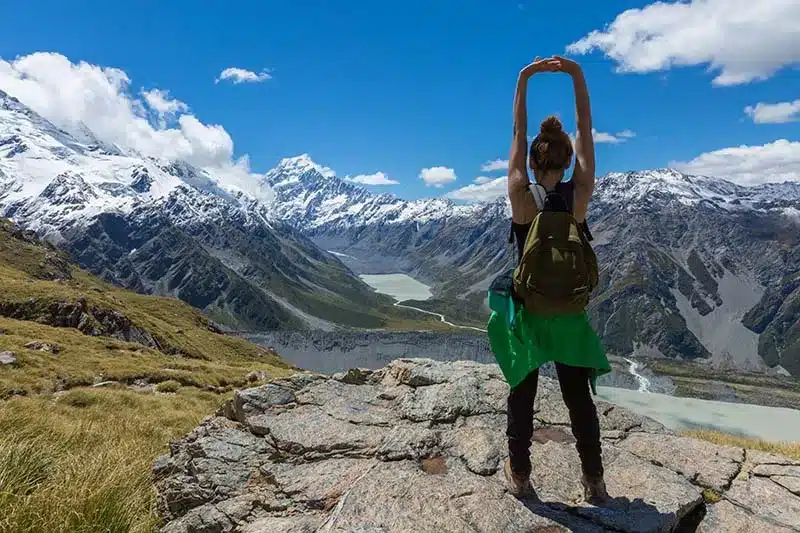
For solo travelers who want the outdoors, New Zealand is hard to beat. The country is built around independent travel, with an extensive campervan and hostel network, well-maintained Great Walks, and a Department of Conservation hut system that makes multi-day hiking approachable for solo trampers. Sign in at trail intent registers, check conditions before you set out, and understand that the real risk here is weather and terrain rather than crime.
Iceland
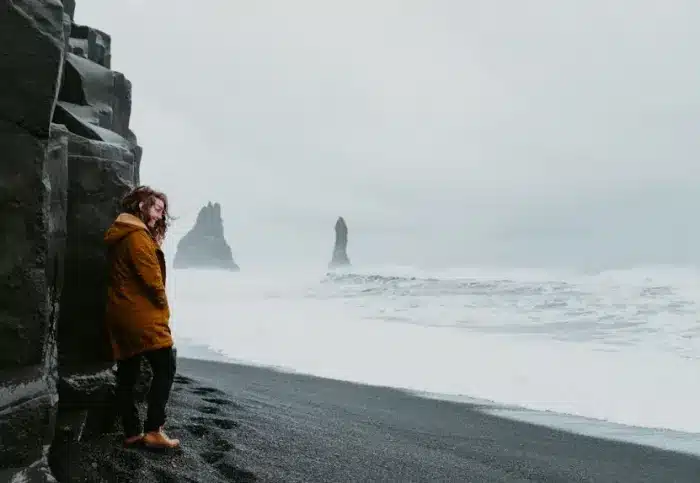
Iceland is consistently ranked among the safest countries in the world and works well for solo travelers who want dramatic landscapes without a complicated itinerary. The Ring Road is straightforward to drive, day tours from Reykjavik cover most highlights without a car, and the small population means you are rarely far from help. The main hazards are environmental, so respect road closure warnings, do not underestimate wind, and check forecasts daily in winter.
Slovenia
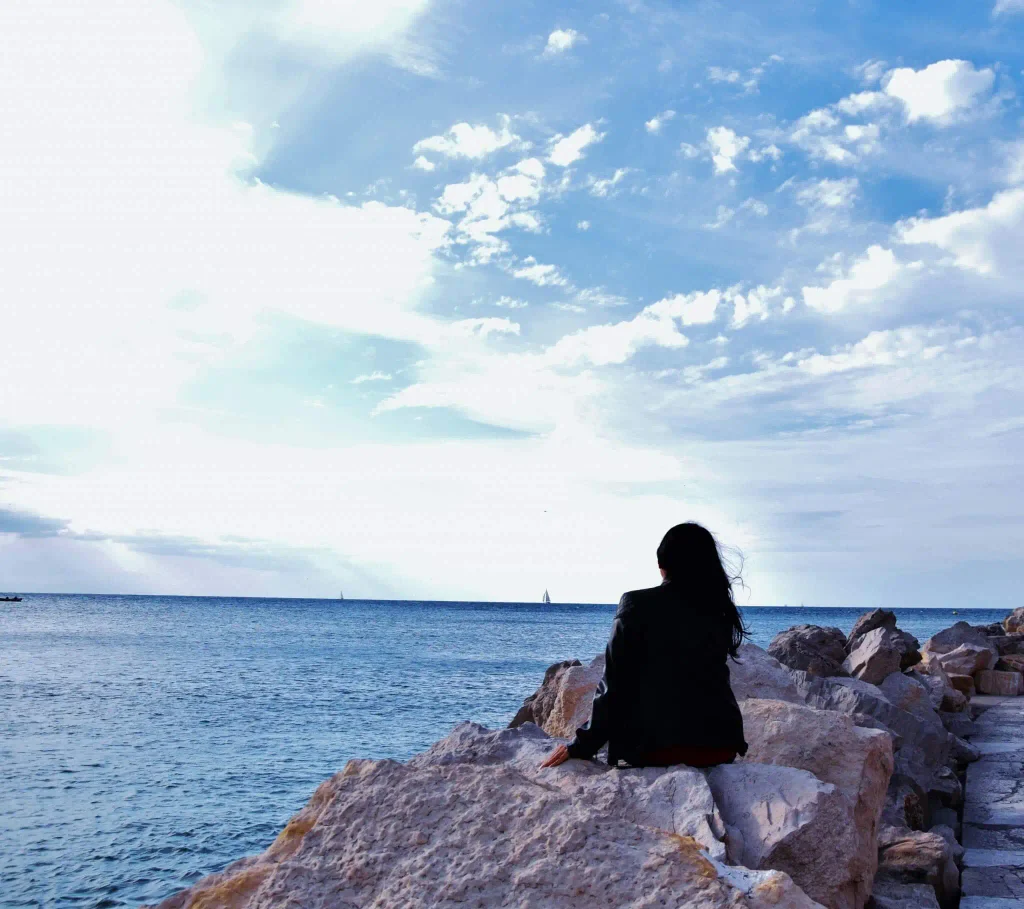
Slovenia is one of Europe’s most underrated solo destinations. It is compact enough to cross in a few hours, safe, affordable relative to Western Europe, and packed with variety, from Ljubljana’s small and highly walkable center to Lake Bled, the Julian Alps, and the Soca Valley. Public transport reaches most of the country, and the hiking and adventure scene is well organized for people arriving alone.
Vietnam
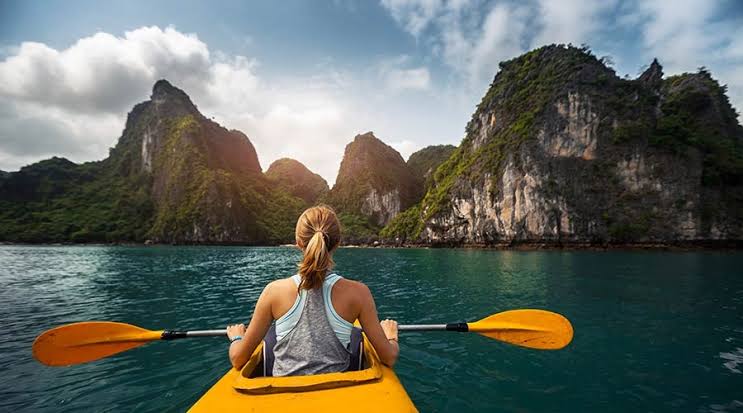
Vietnam is a favorite for budget-conscious solo travelers and first-time backpackers in Asia. Daily costs are low, the north-to-south route through Hanoi, Hoi An, and Ho Chi Minh City is well established, and the hostel and sleeper-bus network makes it easy to meet other travelers. The most common problems are petty theft, bag snatching from motorbikes in big cities, and transport scams, so keep your phone out of sight near roads and agree on fares or use apps rather than negotiating on the street.
Costa Rica
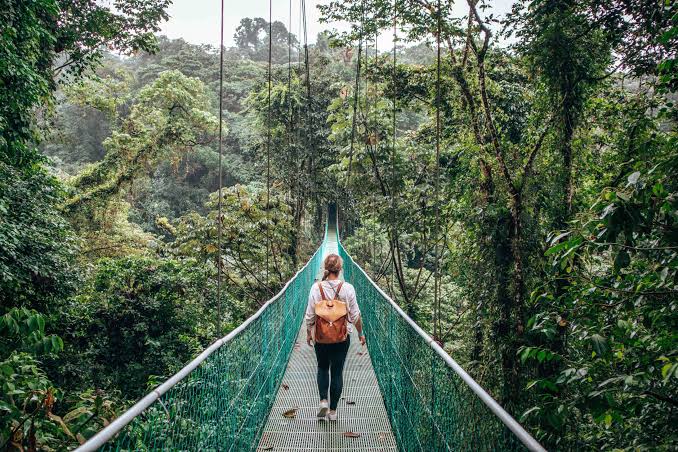
Costa Rica suits solo travelers who want nature and wellness with a well-developed tourism infrastructure. Guided tours, hostels, yoga retreats, and shuttle services between Monteverde, La Fortuna, and the Pacific coast are all designed around independent travelers. Stick to established shuttle companies rather than unmarked taxis, avoid isolated beaches after dark, and be realistic about ocean conditions, since rip currents are a genuine hazard on some Pacific beaches.
Ireland and Scotland
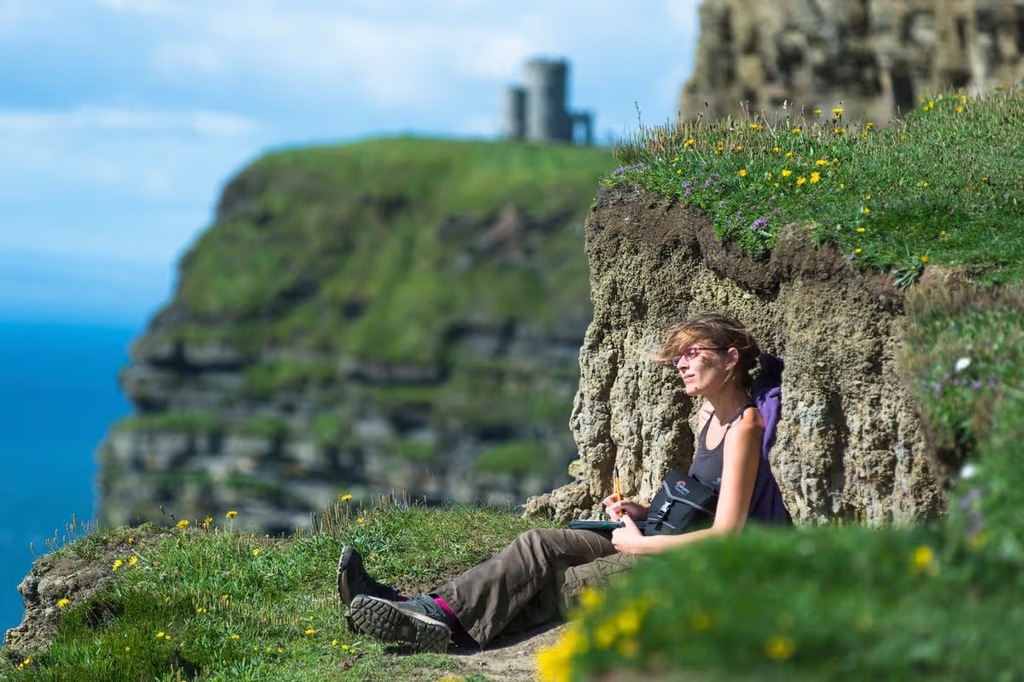
If the language barrier is what is holding you back, Ireland and Scotland remove it entirely while still delivering scenery, history, and a genuinely sociable travel culture. Both have reliable bus and rail links, strong hostel networks, and pub culture where striking up a conversation as a solo traveler is normal rather than awkward. They also work well for slower trips built around walking routes and coastal drives.
Choosing a Destination Based on Your Travel Style
The best destination for solo female travel depends less on rankings and more on what you actually want out of the trip. Use the table below as a starting point.
| If You Want… | Go To | Why It Works |
|---|---|---|
| An easy first solo trip | Japan or Portugal | Low-friction logistics, excellent public transport, and dining alone is completely normal |
| To meet other travelers | Vietnam, Thailand, or Colombia | Dense hostel and tour networks where solo travelers naturally cluster |
| Outdoors and adventure | New Zealand, Iceland, or Slovenia | Well-marked trails, strong rescue infrastructure, and safe solo hiking culture |
| A tight budget | Vietnam, Georgia, or Mexico | Low daily costs, cheap intercity transport, and plenty of budget accommodation |
| Rest and wellness | Costa Rica or Bali, Indonesia | Established retreat scenes built around solo guests and long stays |
| A long stay or remote work | Portugal, Mexico City, or Chiang Mai | Reliable internet, coworking spaces, and large established expat communities |
| Minimal language barrier | Ireland, Scotland, or New Zealand | English-speaking, sociable pub and hostel culture, straightforward for first-timers |
Destinations That Need Extra Preparation
Some countries are absolutely travelable solo but require more research than a first-timer may want to take on. That includes destinations where women’s dress and public behavior are governed by local law or strong social convention, places where street harassment is commonly reported, and countries where the rules differ significantly for LGBTQ+ travelers. None of that means avoid them, and many women travel these routes happily every year, but it does mean reading current firsthand accounts, considering a group tour for part of the trip, and understanding the legal environment before you book rather than after you arrive.
The same logic applies within otherwise straightforward countries. A capital city can be perfectly comfortable while a specific district is not, and local advice from your accommodation on the day is usually more accurate than anything written six months ago.
Practical Tips for Your First Solo Trip
- Start close to home: a domestic or neighboring-country trip of four or five nights builds confidence without the pressure of a long-haul flight and a difficult time zone.
- Book the first two nights, then improvise: having a confirmed bed on arrival removes the worst-case scenario. After that you can adjust as you learn how the place works.
- Pack light enough to carry everything: if you can walk fifteen minutes with your bag and climb stairs without help, you can leave a bad situation quickly. Heavy luggage limits your options.
- Learn six phrases: hello, thank you, no, help, where is, and how much. Even poor pronunciation changes how people respond to you.
- Build in downtime: solo travel is more mentally demanding than group travel because every decision is yours. Schedule rest days or you will burn out by day five.
- Say yes selectively: group tours, cooking classes, walking tours, and day trips are the easiest ways to meet people with a built-in exit at the end.
- Carry a doorstop or portable door lock: a small, cheap item that adds real security in budget accommodation with questionable locks.
- Keep a decoy story ready: meeting a friend shortly, husband arriving tomorrow, expected back at the hotel. Whether or not it is true is nobody’s business.
Taking the First Trip
The hardest part of solo female travel is not the travel. It is the decision, and the weeks beforehand when everyone you know offers an opinion about whether you should go. Once you are actually on the ground, the day-to-day reality is mostly ordinary: figuring out a metro system, finding somewhere to eat, deciding whether to walk or take a taxi. The skills that make it safe are the same ones you already use at home, applied a little more deliberately in a place you do not know yet.
Pick a destination that matches your experience level rather than your ambition, book something short enough that it does not feel irreversible, and go. Most women find the second trip is planned before the first one ends.